The Gobi Museum of Nature and History is one of the most important cultural and scientific attractions in southern Mongolia, offering visitors a deeper understanding of the Gobi Desert’s natural world and ancient past. Located in Dalanzadgad, the capital of Ömnögovi Province, the museum serves as a gateway to the region’s rich paleontological, ecological, and cultural heritage.
The museum is best known for its impressive collection of dinosaur fossils and prehistoric exhibits, highlighting discoveries made in the nearby Gobi Desert, one of the world’s most famous regions for paleontology. Visitors can see fossilized bones, dinosaur eggs, and detailed reconstructions that tell the story of how this dry desert was once a lush environment millions of years ago.
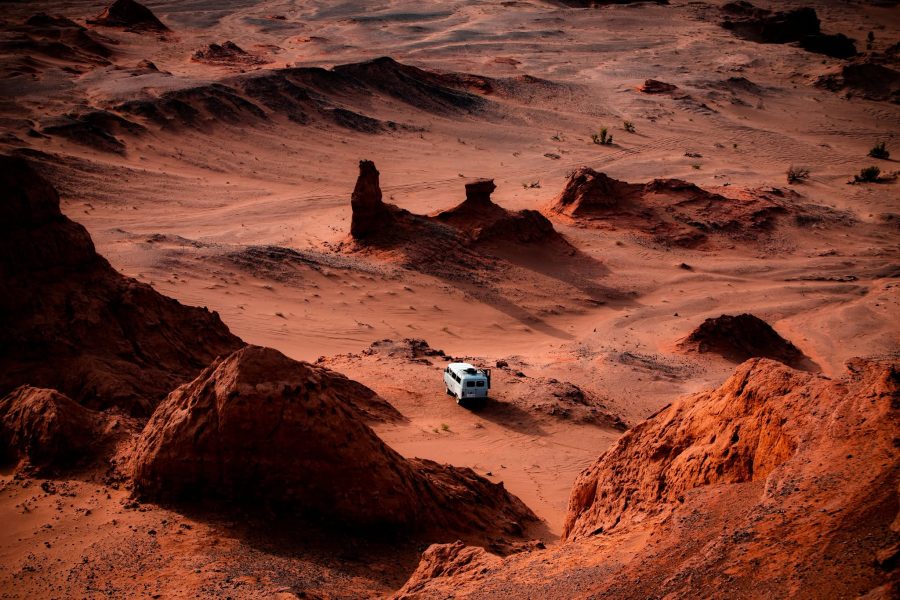
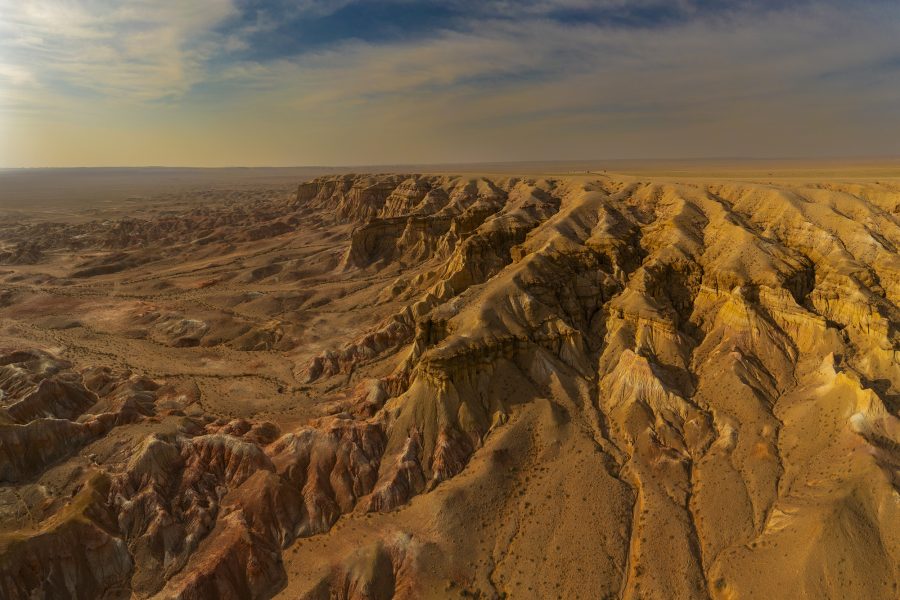
In addition to prehistoric life, the museum features displays on the Gobi’s unique ecosystems and wildlife, including desert plants, mammals, and birds adapted to extreme climates. Exhibits also explore the geology of the region, showing how wind, water, and time shaped the dramatic landscapes of cliffs, dunes, and valleys.
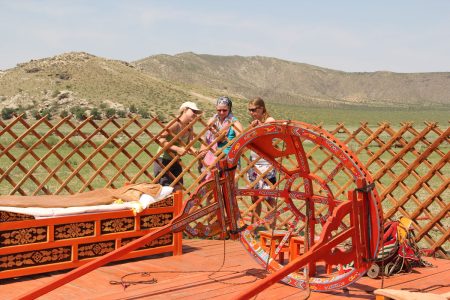
The cultural section introduces travelers to the traditional nomadic lifestyle of southern Mongolia, with exhibits on herding, traditional clothing, tools, and daily life in the desert. This blend of natural science and cultural history makes the museum both educational and engaging for visitors of all ages.
For travelers exploring the Gobi region, the Gobi Museum of Nature and History offers an ideal introduction to the area’s wonders. Its central location and well-curated exhibits make it a must-visit stop in Dalanzadgad and a valuable starting point for adventures into the surrounding desert landscapes.