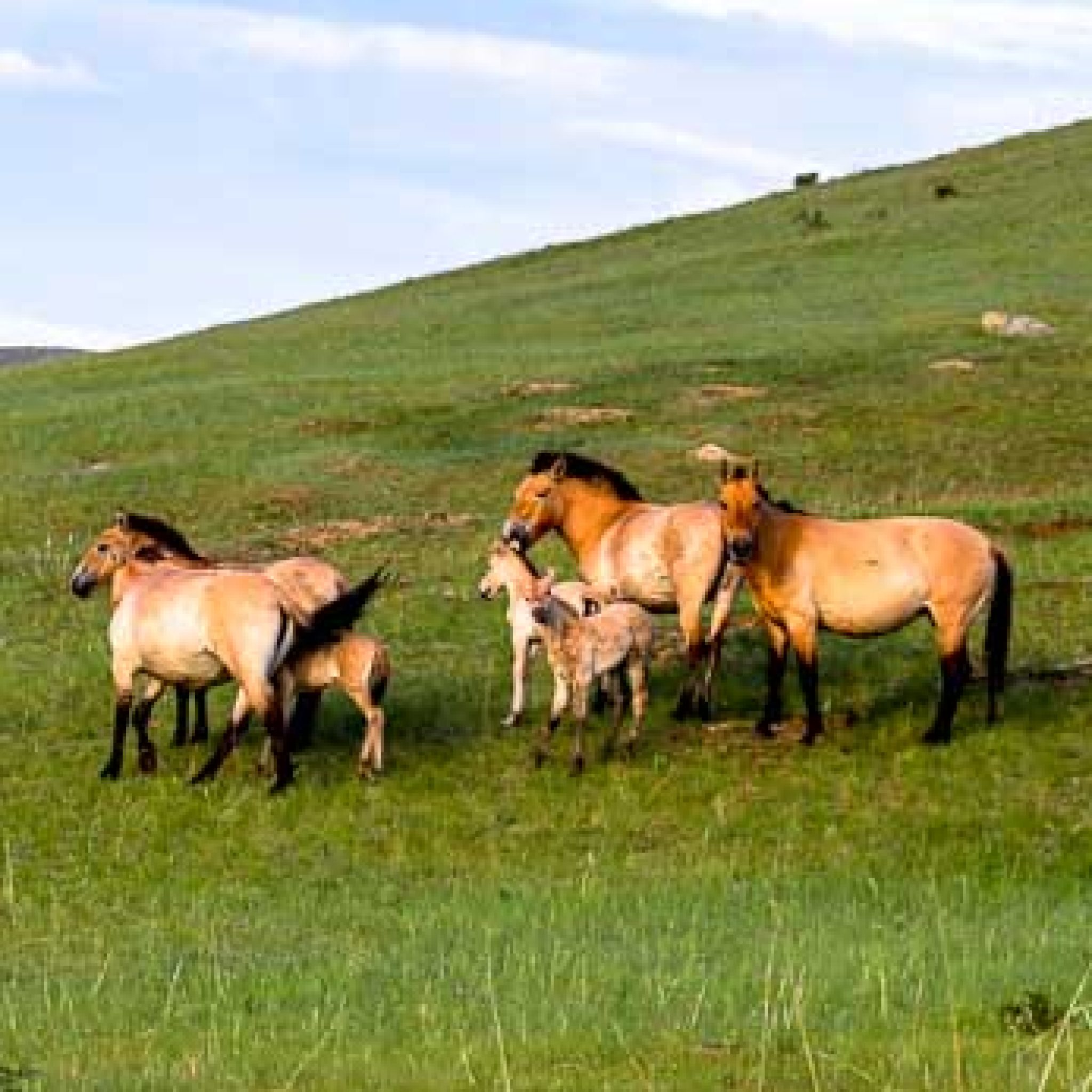
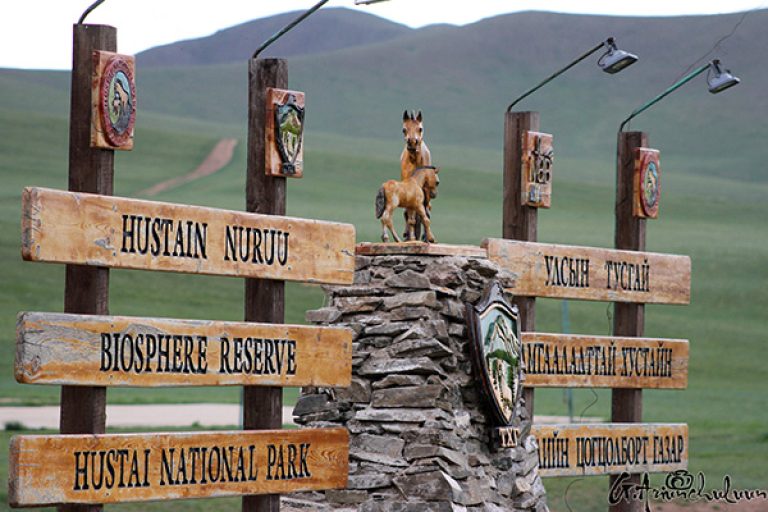
To witness the world’s last truly wild horses, a day trip to Khustai National Park (Khustain Nuruu) is an essential Mongolian pilgrimage. Located about 100 km west of Ulaanbaatar, this park is a success story of global conservation and a sanctuary for the Takhi (Przewalski’s horse).
To experience the rugged beauty of the Mongolian highlands without straying far from the capital, Gorkhi-Terelj National Park is the ultimate destination. This full-day expedition is a perfect microcosm of the Mongolian experience: blending imperial history, spiritual peace, and the timeless nomadic lifestyle.
Mongolia is a land of profound contrasts, where some of Earth’s most diverse biomes converge under one “Eternal Blue Sky.” While the Gobi offers red sands and the North offers alpine lakes, the rolling steppe of Khustai National Park offers a glimpse into a prehistoric past that nearly vanished forever. This full-day journey from Ulaanbaatar is a quest to find the Takhi, the only true wild horse species remaining on our planet.
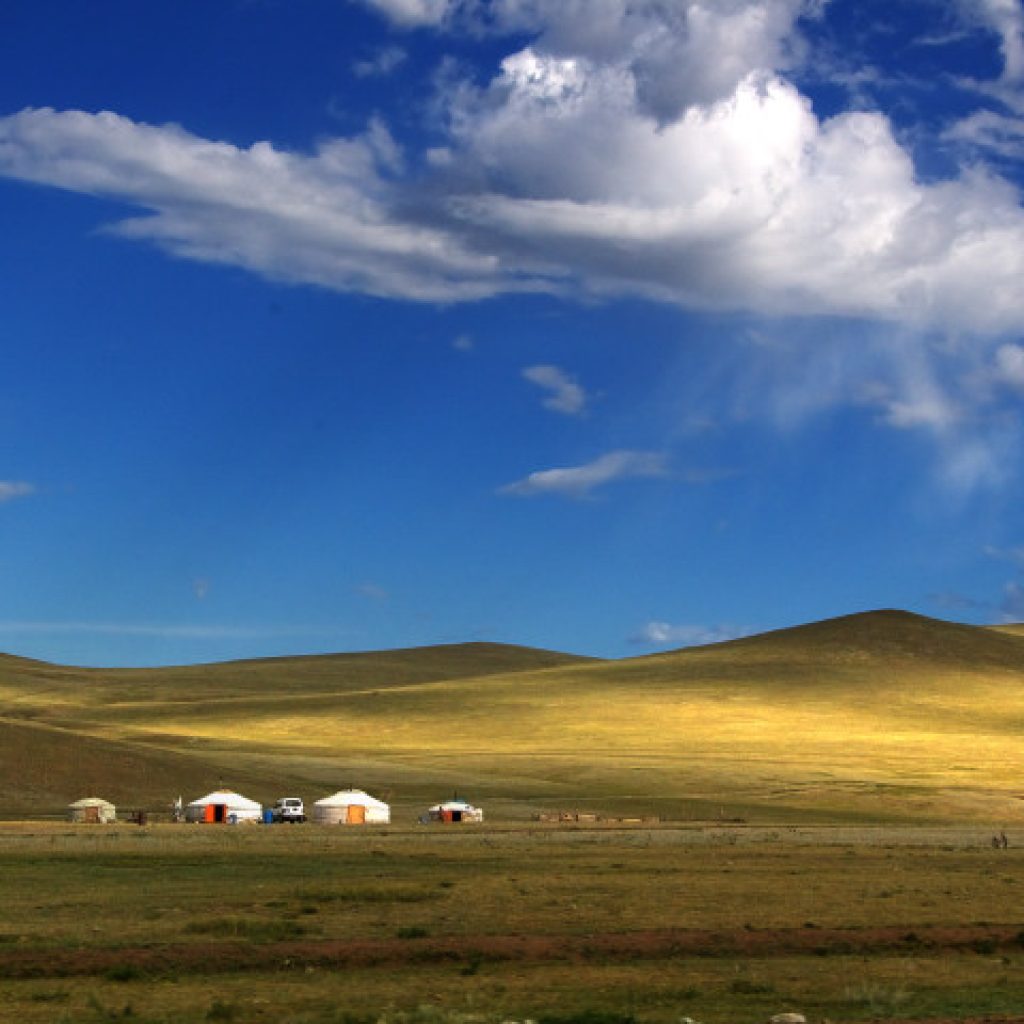
Your odyssey begins with a scenic drive west from Ulaanbaatar. As the urban sprawl of the capital fades, the landscape opens into the vast, undulating grasslands that have defined the Mongolian heartland for millennia. The transition is immediate—within two hours, the air becomes crisper, and the horizon stretches infinitely.
Upon arrival at the park’s entrance, the first stop is the Khustai Information Center. This isn’t just a visitor center; it is a vital hub for research and education. Here, you will watch a short documentary detailing the reintroduction of the Takhi from European zoos back into their ancestral Mongolian home. Understanding the delicate science and international cooperation behind this project adds a layer of profound meaning to the sightings you are about to experience.
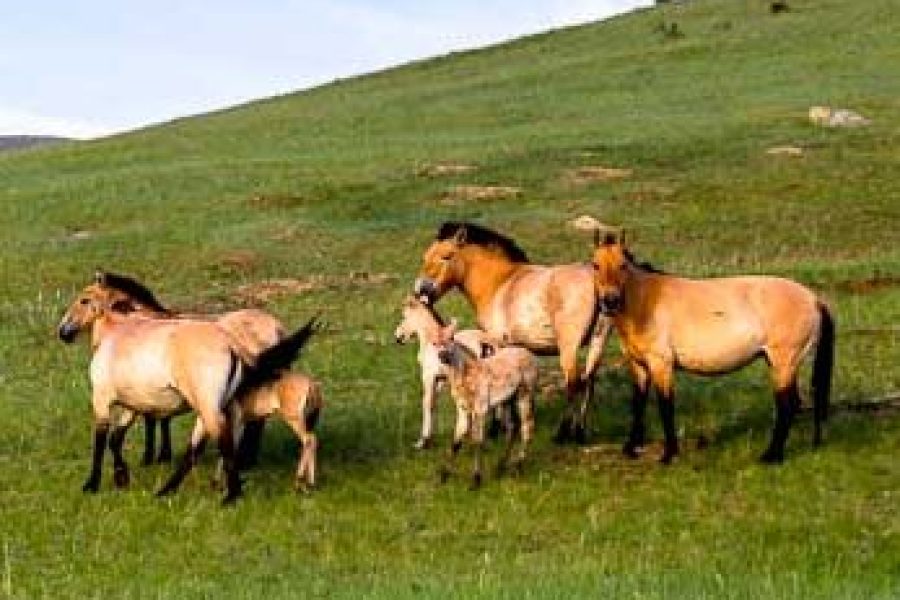
The heartbeat of the day is the safari-style drive into the mountains. Unlike domestic horses, the Takhi are shy and stay high on the ridges during the heat of the day. As the afternoon cools, they begin their descent toward the Tuul River to drink.
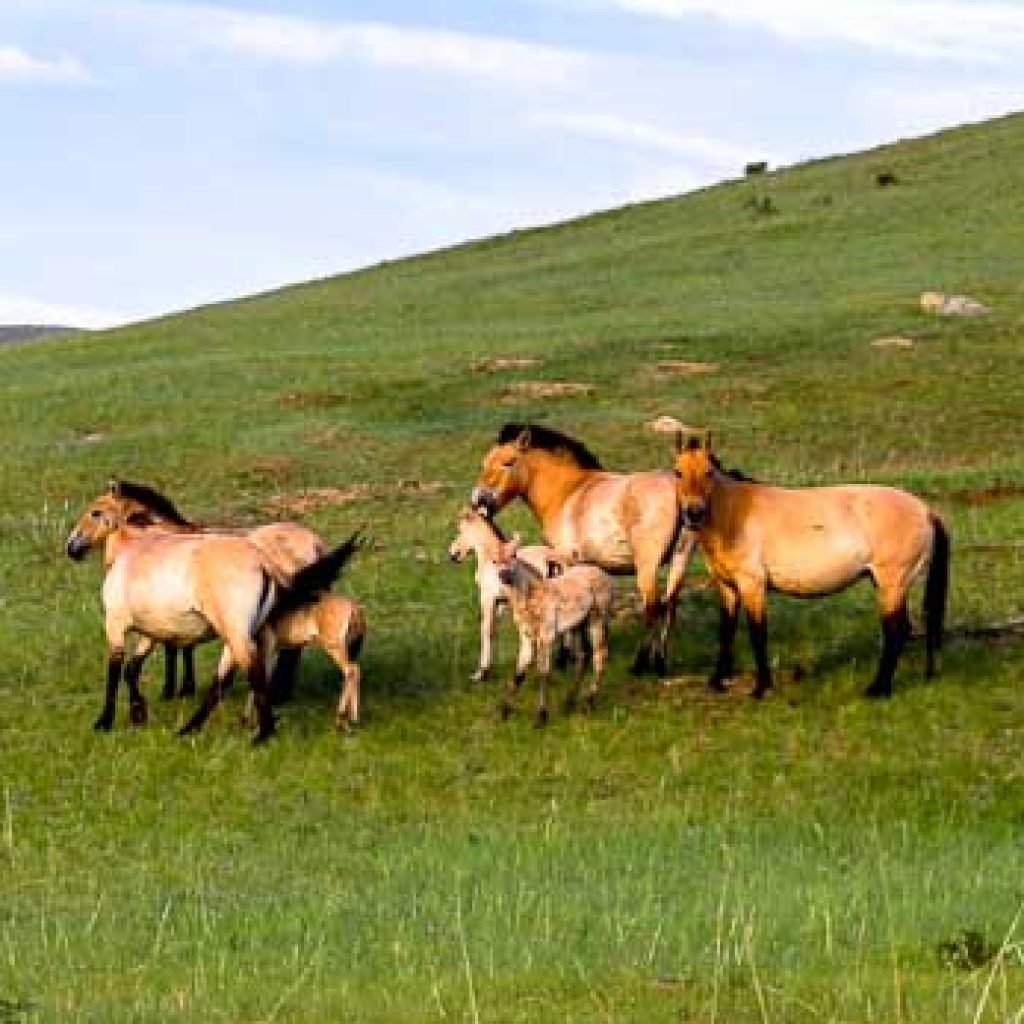
Equipped with binoculars and a professional guide, you will scan the horizons for the distinctive stocky build, dun-colored coat, and dark, upright manes of the Takhi. This is a “living laboratory”—you may also spot:
Red Deer (Wapiti): Massive herds often graze in the birch-covered valleys.
Siberian Marmots: Chirping from their burrows along the road.
Steppe Raptors: Golden Eagles and Cinereous Vultures patrolling the sky.
To see a harem of Takhi galloping across the ridges is to witness a sight that has remained unchanged since the last Ice Age. It is a raw, powerful encounter with a species that was once extinct in the wild and now thrives under the “Eternal Blue Sky.”
As the sun begins to set, the hills of Khustai are bathed in a golden light that is a photographer’s dream. This “golden hour” is when the park is at its most peaceful. The silence of the steppe, broken only by the distant whinny of a wild horse or the cry of a hawk, offers a sense of profound quiet that stays with you long after you return to the city.
The drive back to Ulaanbaatar allows for reflection on the day’s sightings, arriving back in the capital just as the city lights begin to twinkle.
We tailor our tours to your budget and schedule. Click below to start organizing your journey with us!
🎒 All Activities: Every stop on your itinerary.
🍽️ Meals: As stated (B / L / D).
🗣️ Expert Guide: English-speaking & professional.
🎟️ Entry Fees: All tickets to visits & museums.
🛬 Transfers: 24/7 Airport Pick-up & Drop-off.
💧 Daily Water: 1L bottle per person on the coach.
🚐 Transport: Private vehicle & fuel for the trip.
🚗 Vehicle Tier (Economy to Luxury)
🏨 Stay Options (Boutique or 5-Star)
🍽️ Meal Packages (Full or Half Board)
🎙️ Specialist Guides (Multi-language)
⏳ Extended Duration (Add extra days)
🏇 Special Experiences (Add or change the activities)
🥂 Drinks: Alcohol, sodas, and minibar
✈️ Flights: International or Domestic tickets.
🛂 Visas: Mongolian Visa fees/processing.
🛡️ Insurance: Travel insurance (Highly Recommended).
💵 Tipping: For guides, drivers, local family & other service staff.
🧺 Personal: Laundry, telephone, & extra shopping.
🍱 Unlisted Meals: Any food not in the itinerary.
⏳ Flexible Stays: Early check-in/late out (Upon request).

May to September is the best season, with the peak season in July for the Naadam Festival. July and August are also the wettest months of the year but be assured, our climate is such that you will still have many sunny days at this time. The best time to visit the Gobi is June or September.
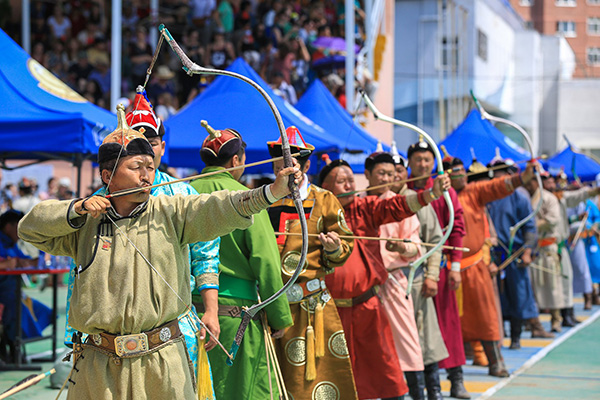
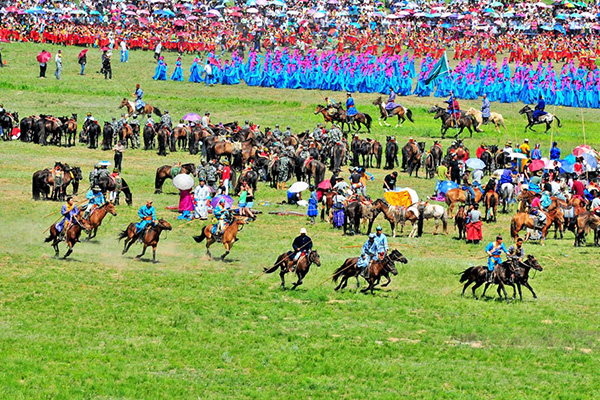
Because Naadam (July 11–15) is our national holiday, during this period – specially july is the best period for travel to catch the local events. But remember to book up 3–6 months in advance. *
Tip: If you plan to travel during this week, contact us early to secure your “Peak Season” spot. Note that a small surcharge applies during this window due to the high demand for local logistics.
Mongolia is a land of untouched beauty, but it is also a place where modern infrastructure is still developing. To enjoy your trip, it helps to embrace the nomadic lifestyle!
Once we leave the capital city of Ulaanbaatar, Western-style flush toilets become rare.
In the Countryside: Most stops will feature traditional “pit toilets” (wooden outhouses).
On the Road: During long drives, we often use “nature’s bathroom” (finding a private spot behind a hill or bush).
💡 Pro-Tip: We recommend always carrying a small kit with hand sanitizer, wet wipes, and tissues in your day bag.
Mongolia is a vast country with very few paved roads.
The “Mongolian Massage”: Expect long drives on bumpy, unpaved tracks. It is part of the adventure, but it can be tiring.
The Reward: These “rough” roads are exactly what keep Mongolia’s nature so pristine and free from tourist crowds!
Charging: In many Ger camps, electricity is only available for a few hours in the evening via solar power or generators.
💡 Pro-Tip: Bring a high-capacity power bank to keep your camera and phone charged throughout the journey.
Mongolia is known as the “Land of the Eternal Blue Sky,” but that sun can be intense!
The Gobi Heat: During July, temperatures in the Gobi can exceed 35°C (95°F). Most traditional Ger camps do not have air conditioning, as they are designed for natural ventilation.
The Night Chill: Conversely, even in summer, temperatures can drop rapidly after sunset.
💡 Pro-Tip: Dress in breathable, light-colored fabrics for the day, but keep a warm sweater ready for the evening.
Summer is the “rainy” season, but it usually comes in short, dramatic bursts rather than days of drizzle. These rains make the steppe turn a beautiful, vibrant green!
Why book with a group during extreme weather?
Safety in Numbers: If a sudden storm or heatwave hits, our heavy-duty 4WD vehicles 🚐 provide a safe, climate-controlled sanctuary.
Cost Efficiency: Sharing the cost of a high-quality, reliable vehicle means you stay comfortable in the heat without paying a “private luxury” premium. The more friends you bring, the better the ride for everyone! 💸