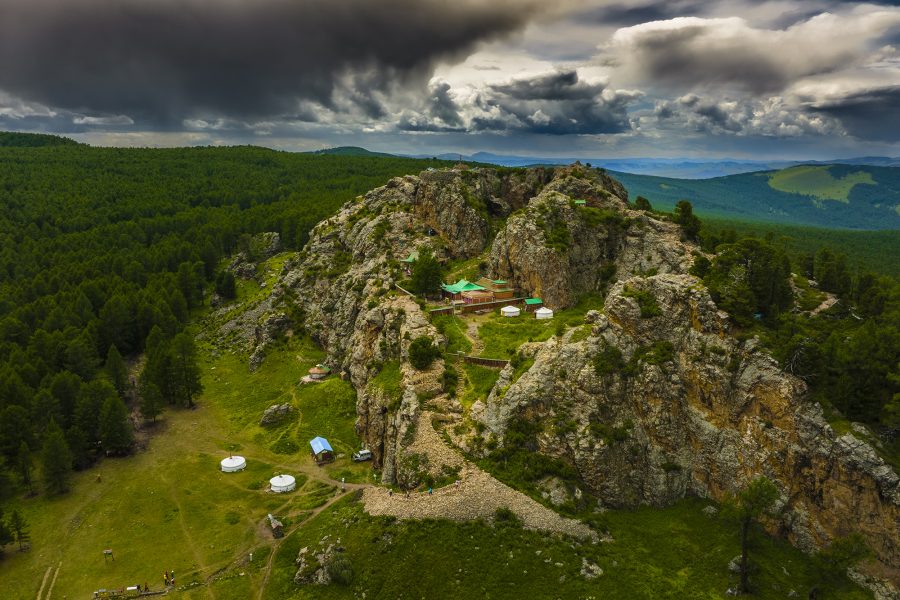
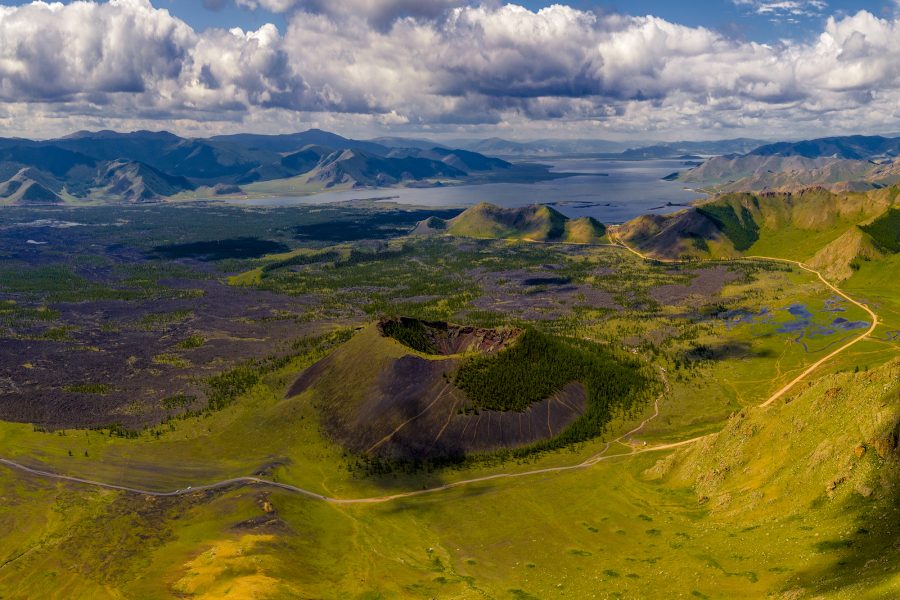
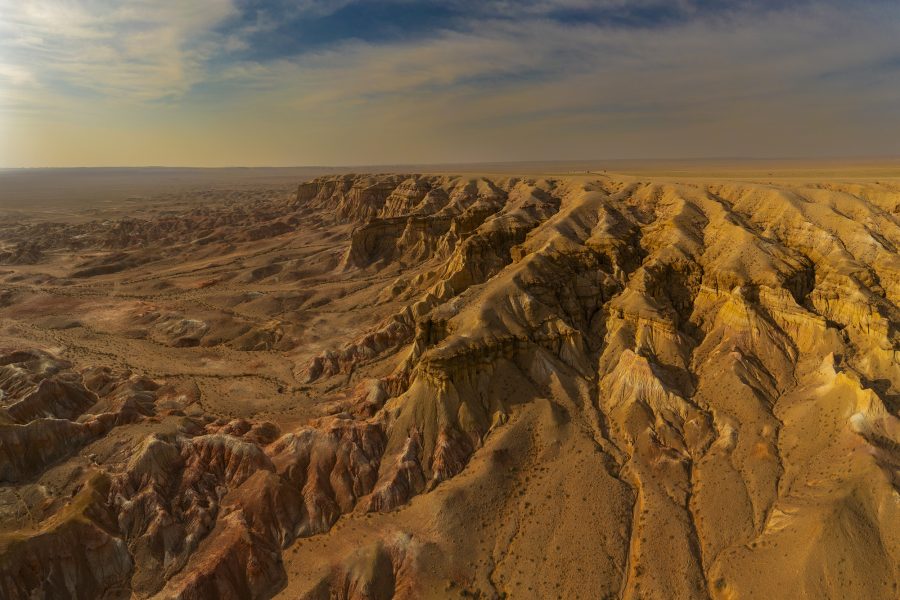
The Orkhon Valley is one of Mongolia’s most historically and culturally significant regions, offering travelers a unique journey through over 2,000 years of nomadic civilization set against a backdrop of wide river plains, rolling hills, and dramatic volcanic landscapes. Recognized as a UNESCO World Heritage Site, the valley stretches along the Orkhon River in central Mongolia and has long been considered the cradle of Mongolian statehood.
For centuries, the Orkhon Valley served as the political and spiritual heart of powerful empires, including the Xiongnu, Turkic Khaganates, Uighur Empire, and the Mongol Empire. Ancient stone monuments, deer stones, burial mounds, and ruins of old cities can still be found scattered across the grasslands, reflecting the valley’s deep and layered history.
One of the main highlights is Kharkhorin (Karakorum), the former capital of the Mongol Empire, along with the nearby Erdene Zuu Monastery, Mongolia’s oldest surviving Buddhist monastery. The valley is also home to Ulaan Tsutgalan (Orkhon Waterfall), a stunning natural feature formed by ancient volcanic activity, making the region just as rich in natural beauty as it is in history.
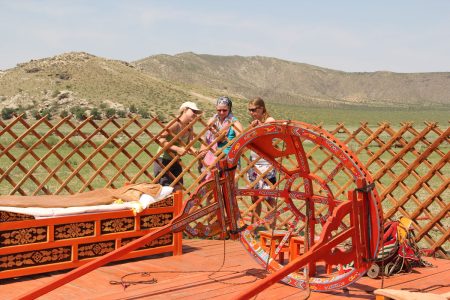
Today, visitors to the Orkhon Valley can enjoy horseback riding, hiking, and staying with nomadic families in traditional gers, experiencing a lifestyle that has changed little over centuries. With its blend of ancient heritage, scenic landscapes, and living traditions, the Orkhon Valley is a must-visit destination for travelers seeking to understand the true spirit of Mongolia.