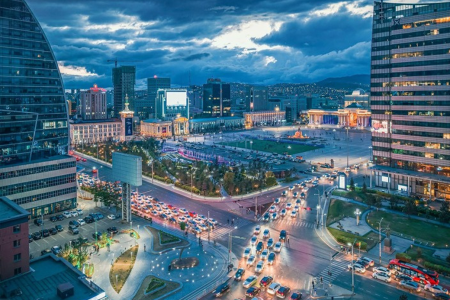
The Choijin Lama Temple Museum is one of the most beautiful and historically rich cultural sites in Ulaanbaatar, offering visitors a rare glimpse into Mongolia’s Buddhist heritage and royal past. Located in the city center, this temple complex stands in striking contrast to the modern buildings around it, preserving the atmosphere of a traditional 19th-century monastery.
Built in 1904–1908, the temple was constructed for Luvsan Haidav Choijin Lama, the younger brother and spiritual advisor of the Eighth Bogd Khan, Mongolia’s last theocratic ruler. The complex consists of several richly decorated temples surrounded by a traditional wall, reflecting a blend of Tibetan, Mongolian, and Chinese architectural styles. Unlike many religious sites in the country, Choijin Lama Temple survived the communist purges largely intact and was later transformed into a museum.
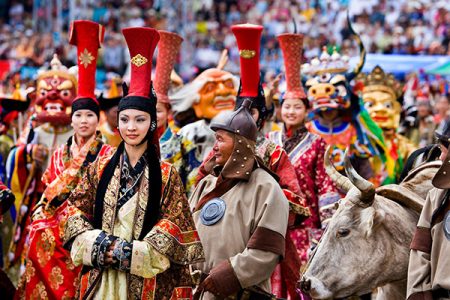
Inside, visitors can admire an impressive collection of Buddhist art and sacred objects, including detailed thangka paintings, bronze statues, ritual masks used in traditional Tsam dances, and ancient scriptures. The museum also displays items connected to Mongolia’s royal and religious history, helping visitors understand the close relationship between Buddhism and the state during the early 20th century.
Walking through the quiet courtyards and ornate halls offers a peaceful escape from the busy city streets. For travelers interested in culture, architecture, and spirituality, the Choijin Lama Temple Museum provides a memorable and authentic experience, making it a must-visit attraction in Ulaanbaatar.