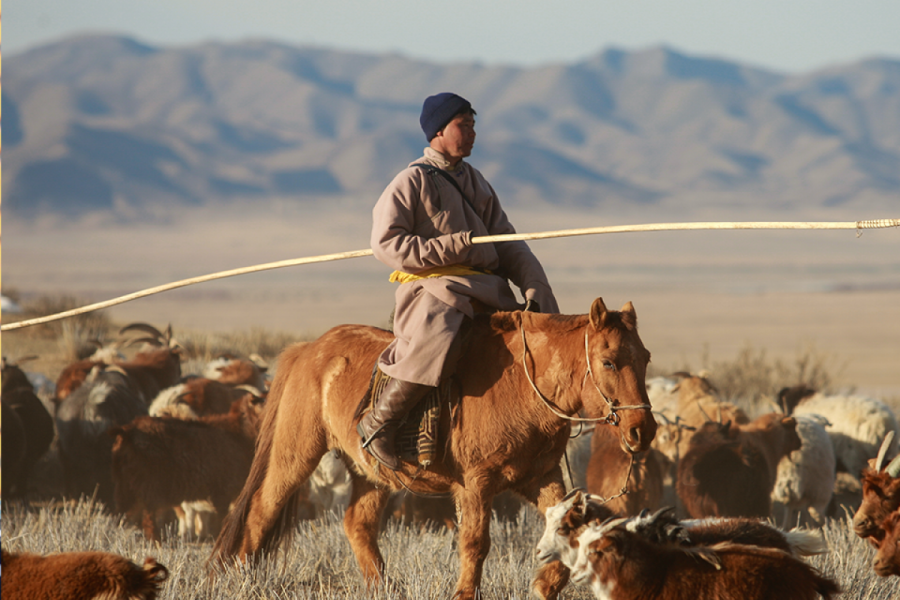
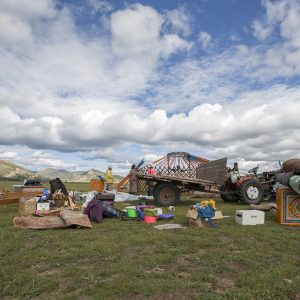
This 8-day immersion is designed for the traveler who seeks more than a photograph—it is for those who wish to live the rhythm of the mountains. Nestled in the alpine beauty of Batshireet, Khentii province, you will stay with a Buryat nomadic family, a group celebrated for their unique forest-edge culture and their mastery of the “White Foods” (dairy).
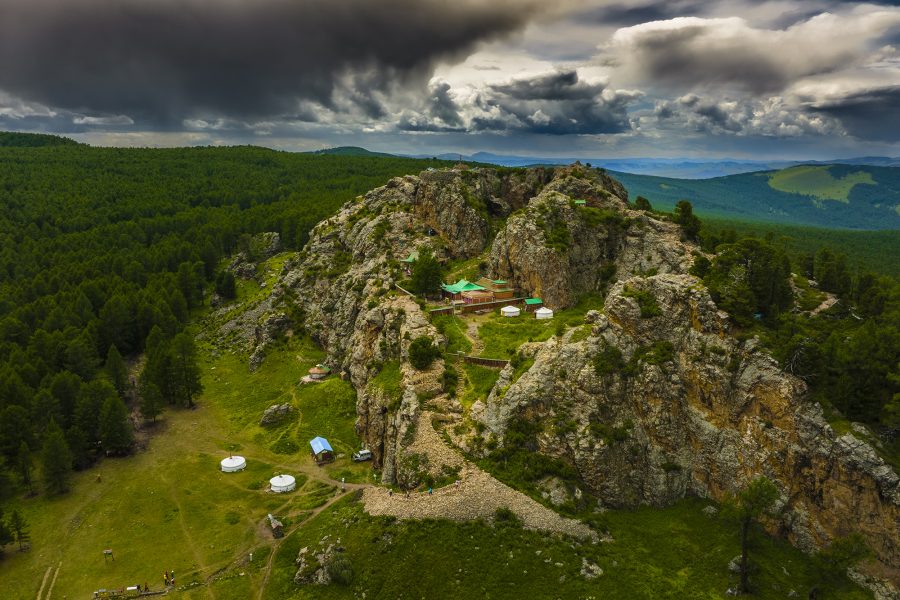
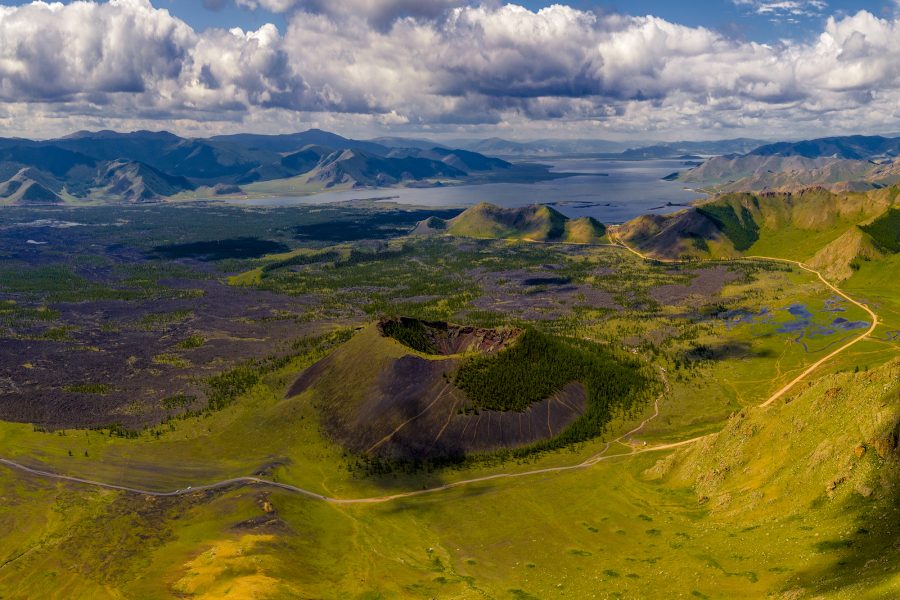
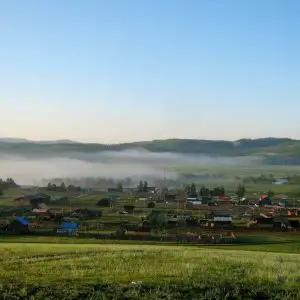
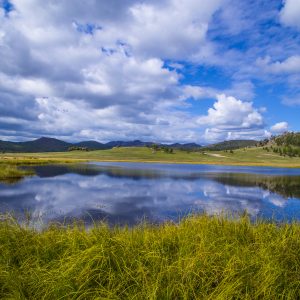
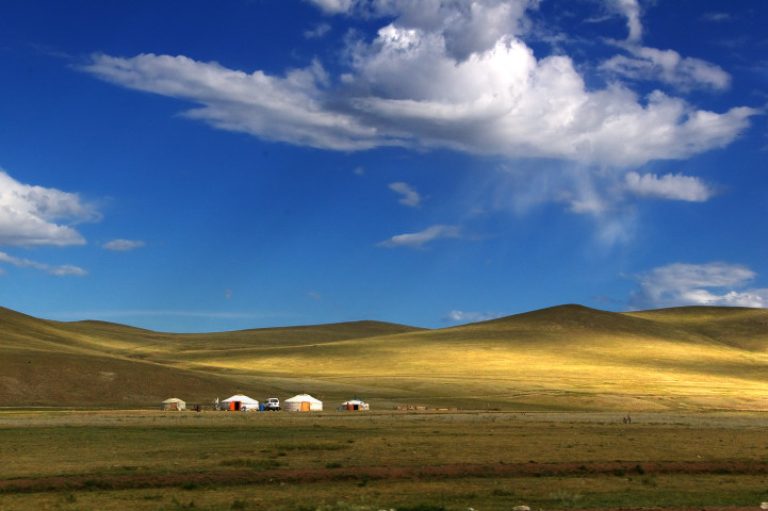
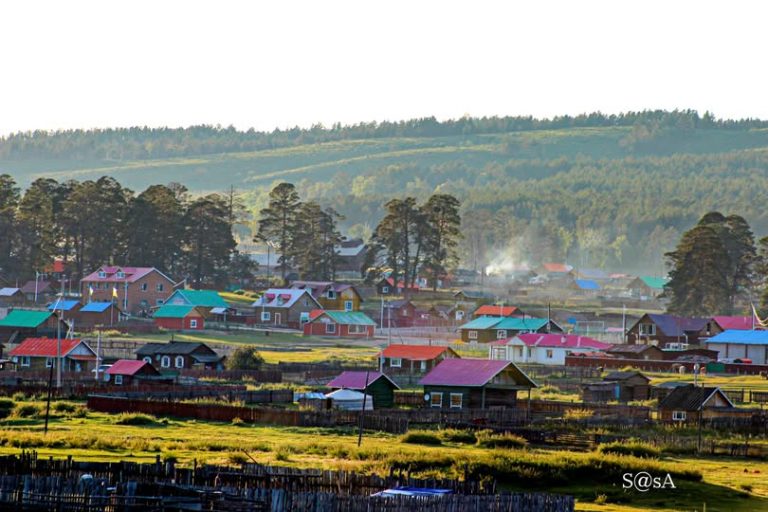
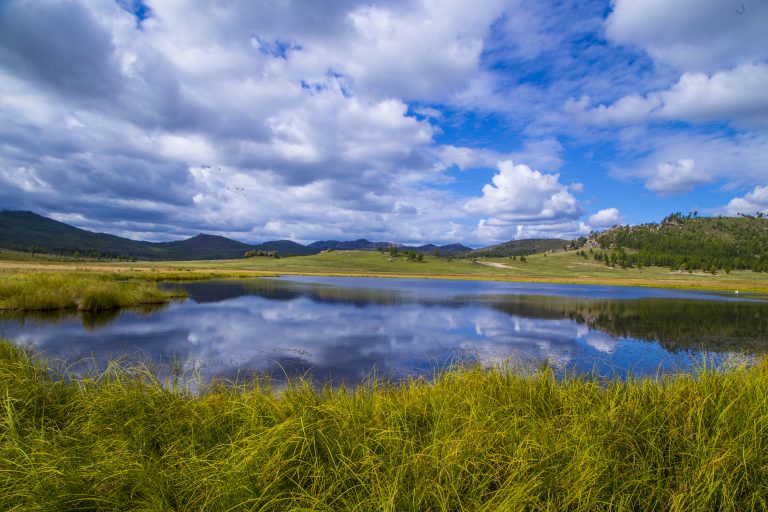
Unlike the flat, open steppes of the south, Batshireet is a landscape of Siberian larch forests, crystal rivers, and rugged peaks. Here, the traditional felt ger sits alongside hand-built log cabins, reflecting the Buryats’ deep connection to the taiga.
Beyond Organic: The Purity of the Steppe
In the world of Mongolian gastronomy, Buryat dairy products are considered the “crème de la crème.” Because the Buryat people live in the forest-steppe (Taiga) zones, their cows graze on nutrient-dense forest herbs and wildflowers rather than just dry steppe grass. This creates a milk that is significantly higher in fat and more aromatic than in any other region.
The “Gentle Challenge” of the Calves
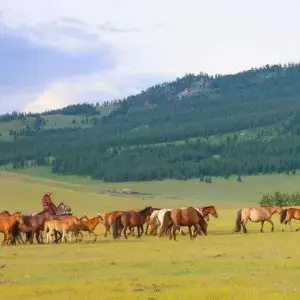
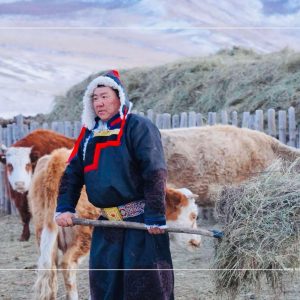
Forget everything you know about western farming. Buryat cow herding is an active, high-energy pursuit. It’s a game of strategy and speed as you track the herd through ancient larch forests, learn the ‘secret language’ of nomadic whistles, and guide the tribe across mountain streams. It’s the ultimate way to stay active, share a laugh with your hosts, and earn your place at the dinner table. You aren’t just a spectator; you are part of the team
Your Hands-On Experience
This is not a spectator tour. You will participate in the ancient daily cycles that have sustained these families for generations:
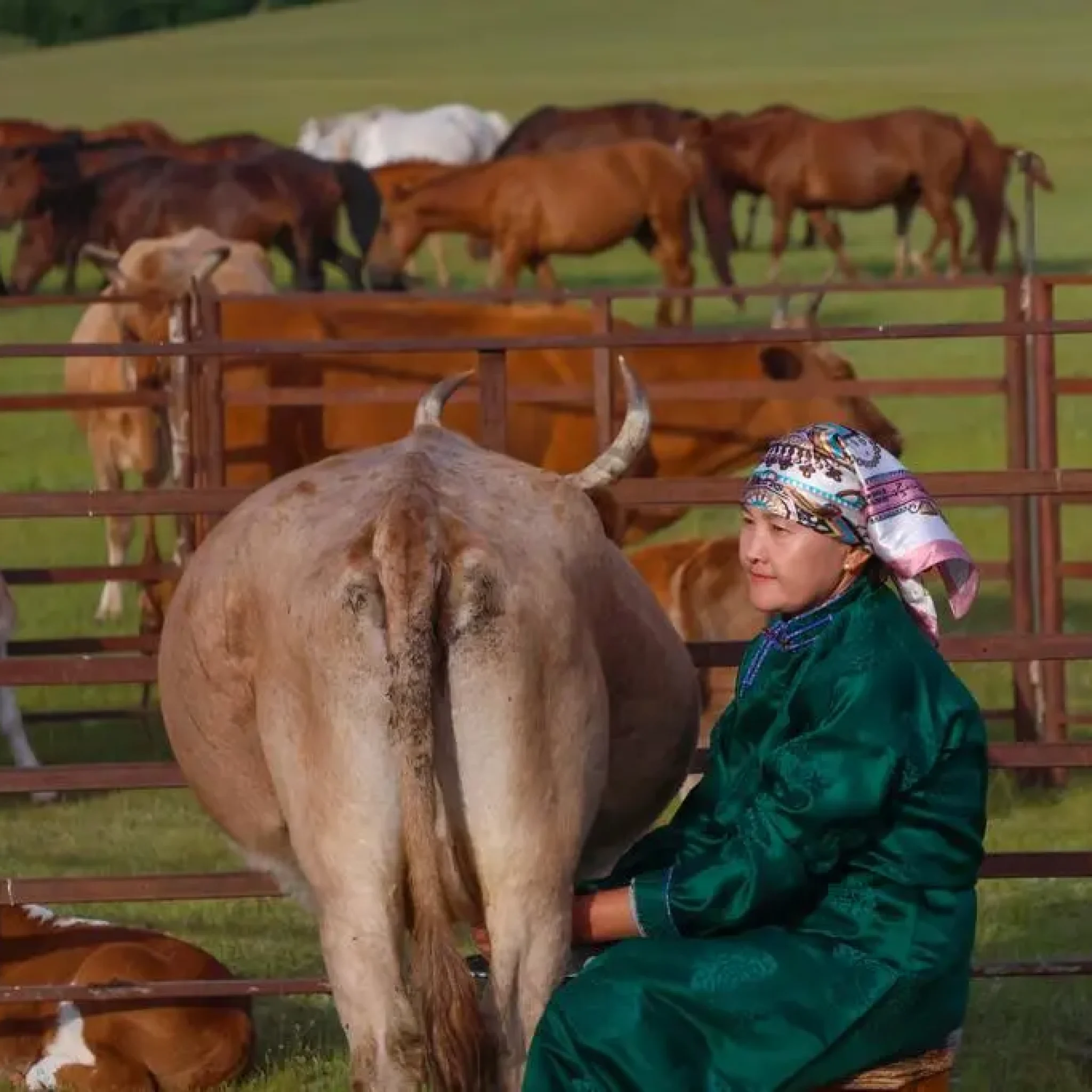
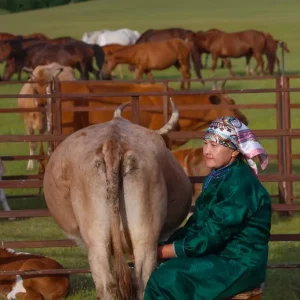
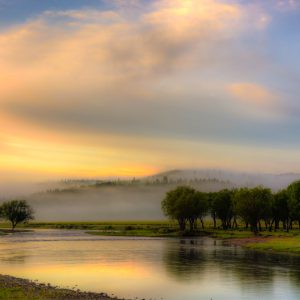
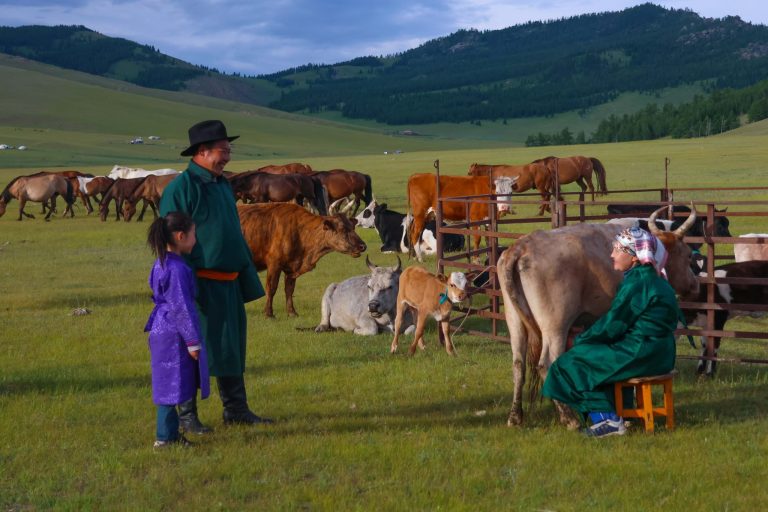
The Dawn Connection: Wake with the sun to the sound of lowing cattle. You will head out into the morning mist to learn the rhythmic art of milking a cow by hand—a meditative start to the nomadic day.
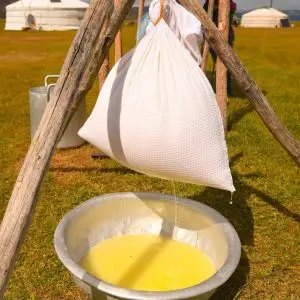
The Masterclass of Dairy: Step into the “Buryat Kitchen” to transform raw milk into a wealth of traditional products. Under the expert guidance of the family matriarch, you will:
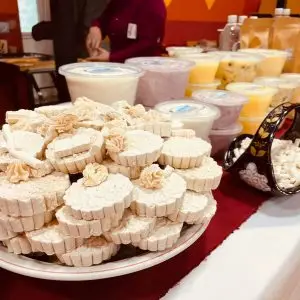
Skim Öröm, the rich, thick clotted cream that is a staple of every meal.
Boil and ferment Aaruul (dried curds), learning how to shape and dry them in the mountain sun.
Churn fresh butter and brew authentic Suutei Tsai (salted milk tea).
DOUBLE ADVANTAGE – The Onon River: The Luxury of Silence
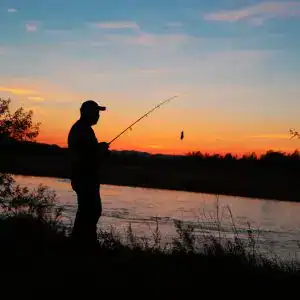
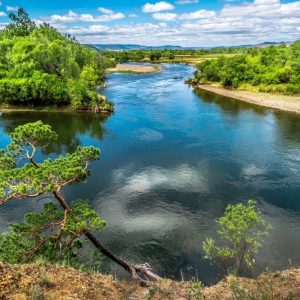
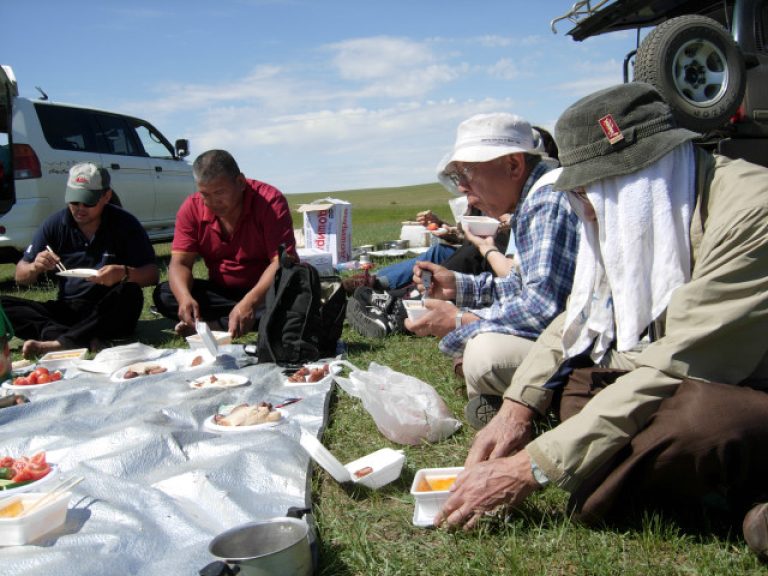
Camping day with a small fire on the river stones to boil tea with fresh river water. The Onon River—one of the world’s last truly wild waterways—invites you to slow down. Spend your morning fishing for Grayling in the sacred waters, followed by a rustic riverside lunch. We finish the day wandering through the ‘frozen-in-time’ village of Batshireet. This is a day for the soul, where the only schedule is the flow of the water and the movement of the sun.
In Batshireet, the hospitality is as rich as the cream. You will sleep in a traditional dwelling, share meals made from the literal “fruits of your labor,” and gain an intimate understanding of an ethnic group that bridges the gap between the nomadic steppe and the Siberian forest.



Morning:
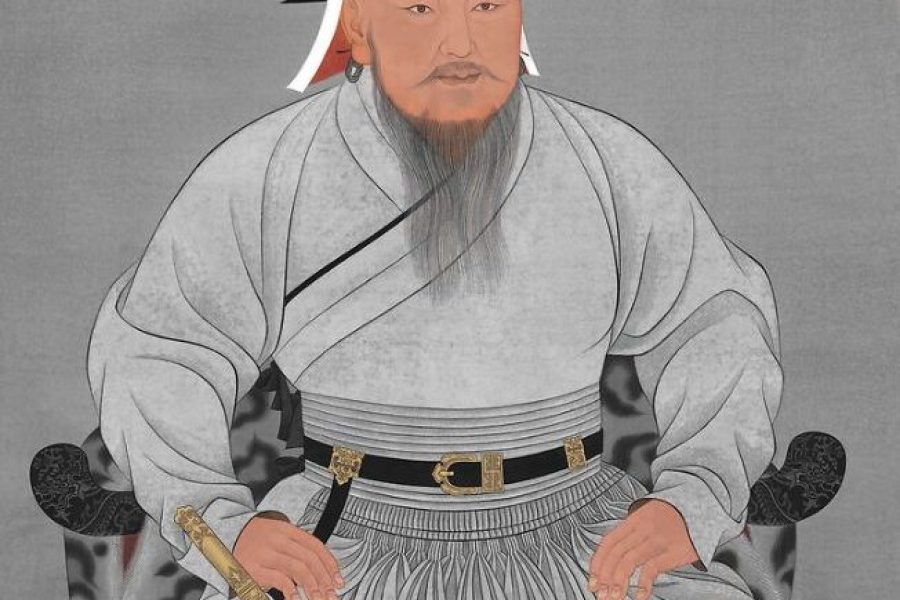
The Silver Giant. After breakfast, travel to Tsonjin Boldog to stand before the colossal Chinggis Khan Statue Complex. Rising 40 meters high in gleaming stainless steel, this is the world’s tallest equestrian statue. Take the elevator up to the horse’s mane for a panoramic view of the vast steppe where the Great Khan allegedly found his golden whip.
Afternoon – Journey to the northern forests.
Evening:
Arrive at your local family for a traditional dinner and stargazing.
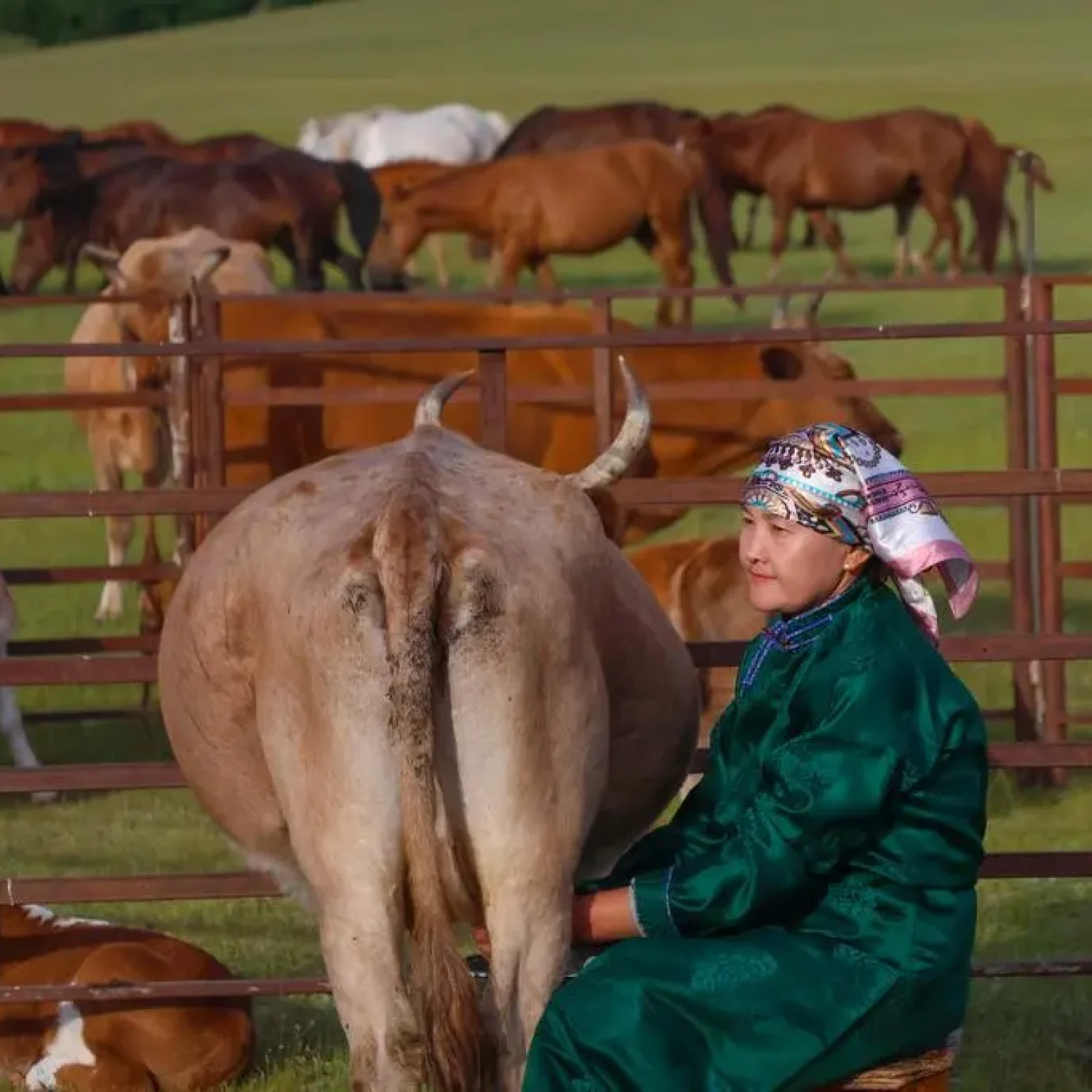
Morning:
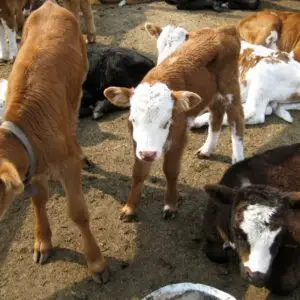
Wake up early in the morning and help the family for milking cows and capturing cattle. Have a traditional breakfast with them
Afternoon:
Activity: Master the “Buryat Kitchen”—learn to identify milk quality and the artisanal craft of making Urum (clotted cream) and local cheeses.
Evening:
Help guide the herd through the forest paths and make a dinner together.
Morning:
Regular morning activity and make yourself your own breakfast with diary products.
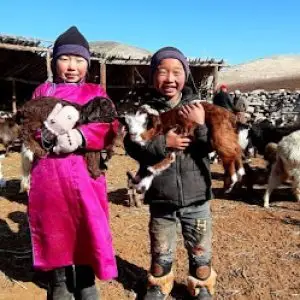
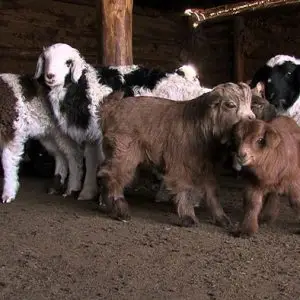
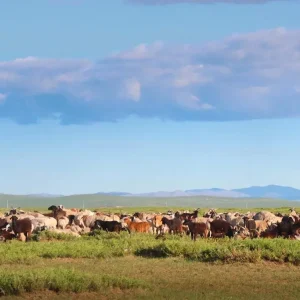
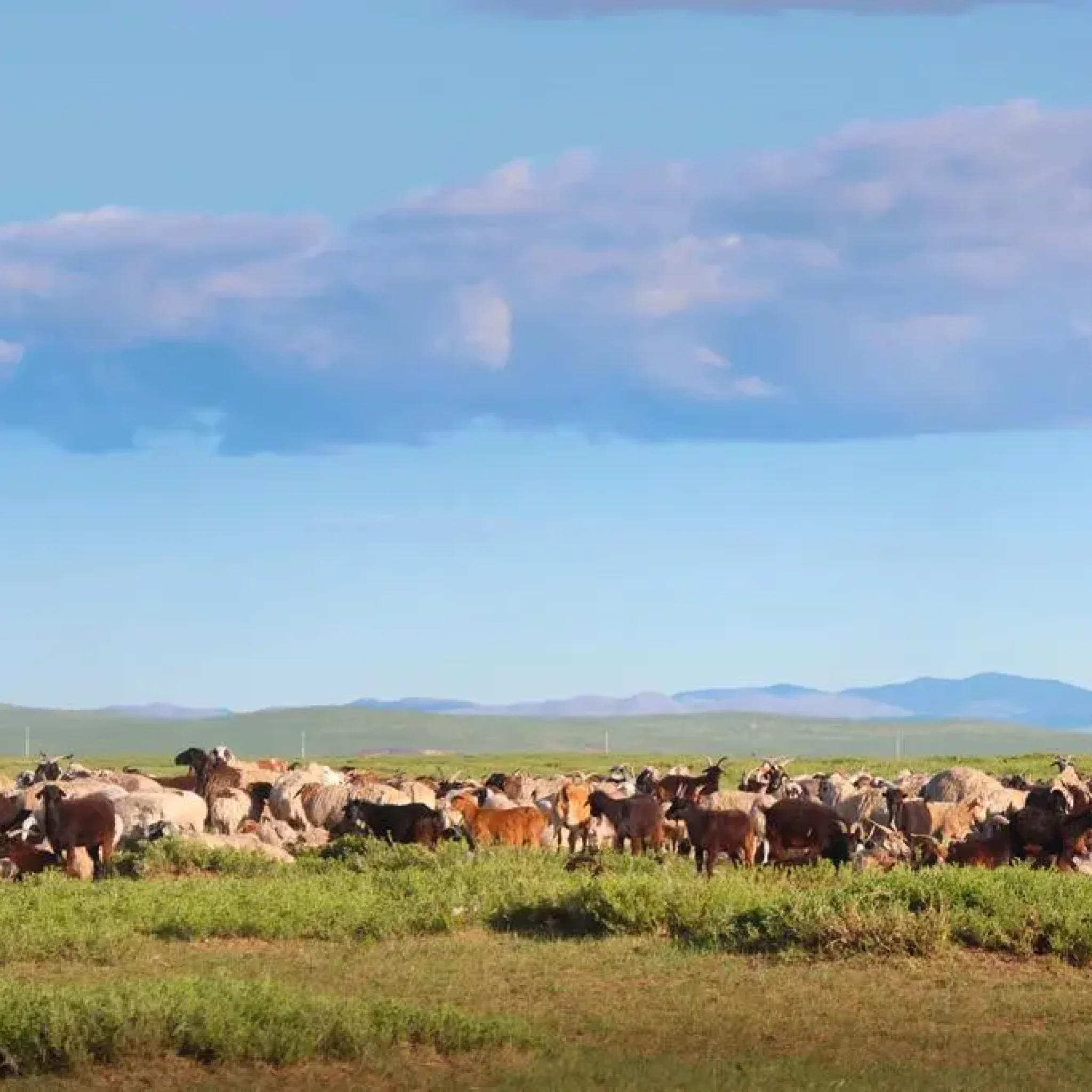
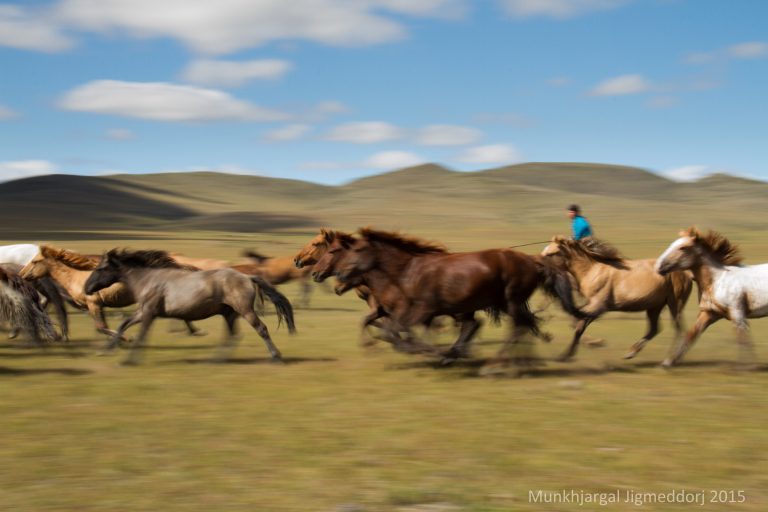
Afternoon : Ride a horse and look after the sheep and goat tribe. After returning to the family make a traditional mongolian pastry with them.
Evening:
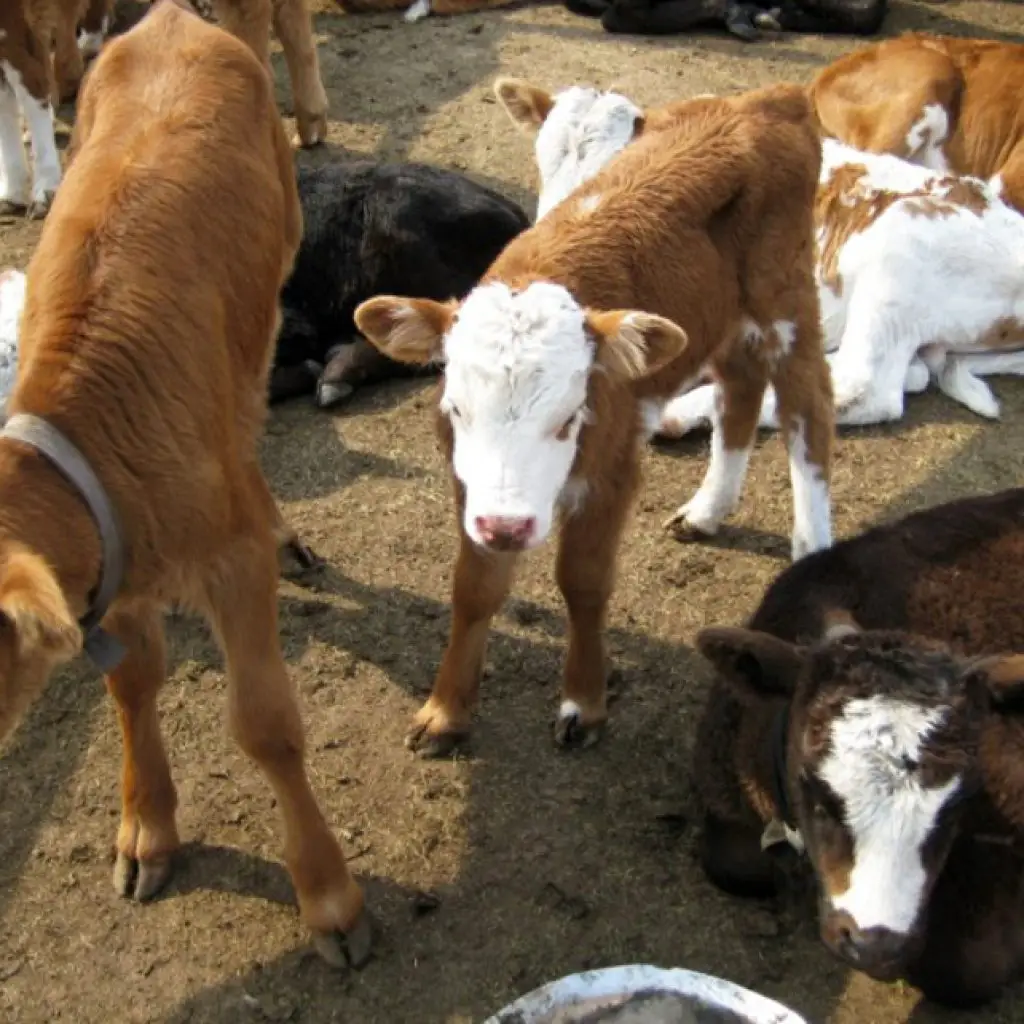
look for the cows and help the family to capture the calves. Perhaps you can try it with a motorcycle
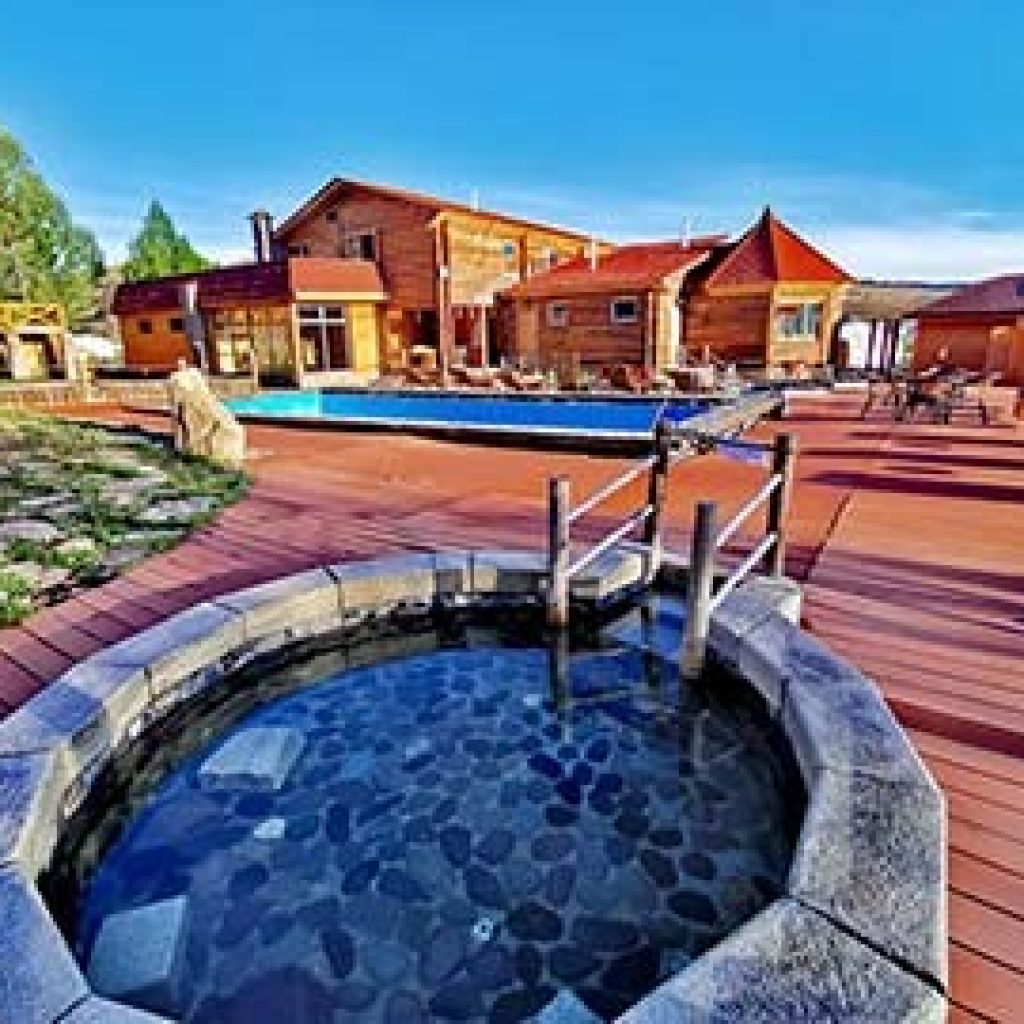
Morning:
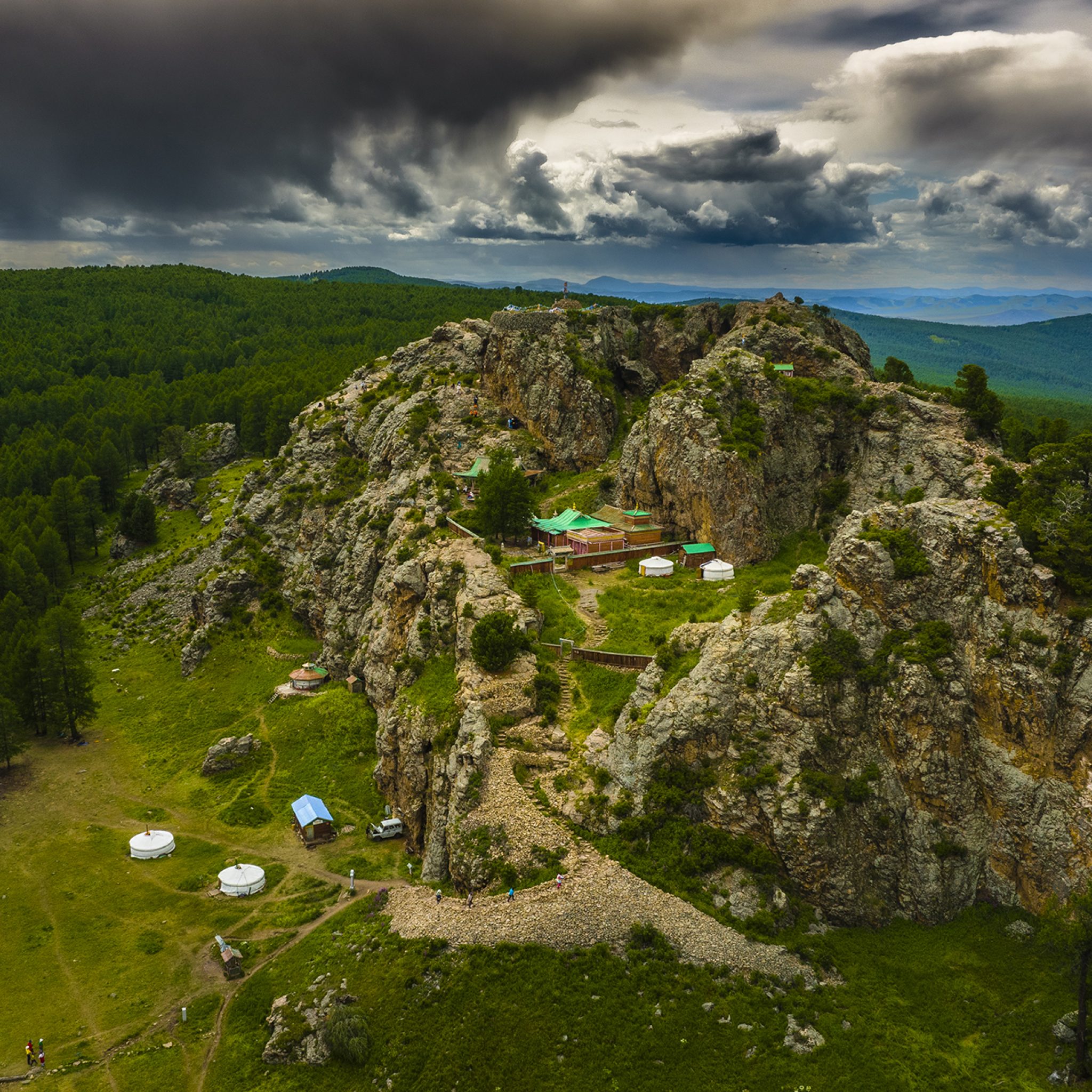
Explore the little village Batshireet and learn the history of Buryat ethnicity.
Lunch: Enjoy a traditional meal at a local restaurant before heading deeper into the Onon River.
Afternoon:
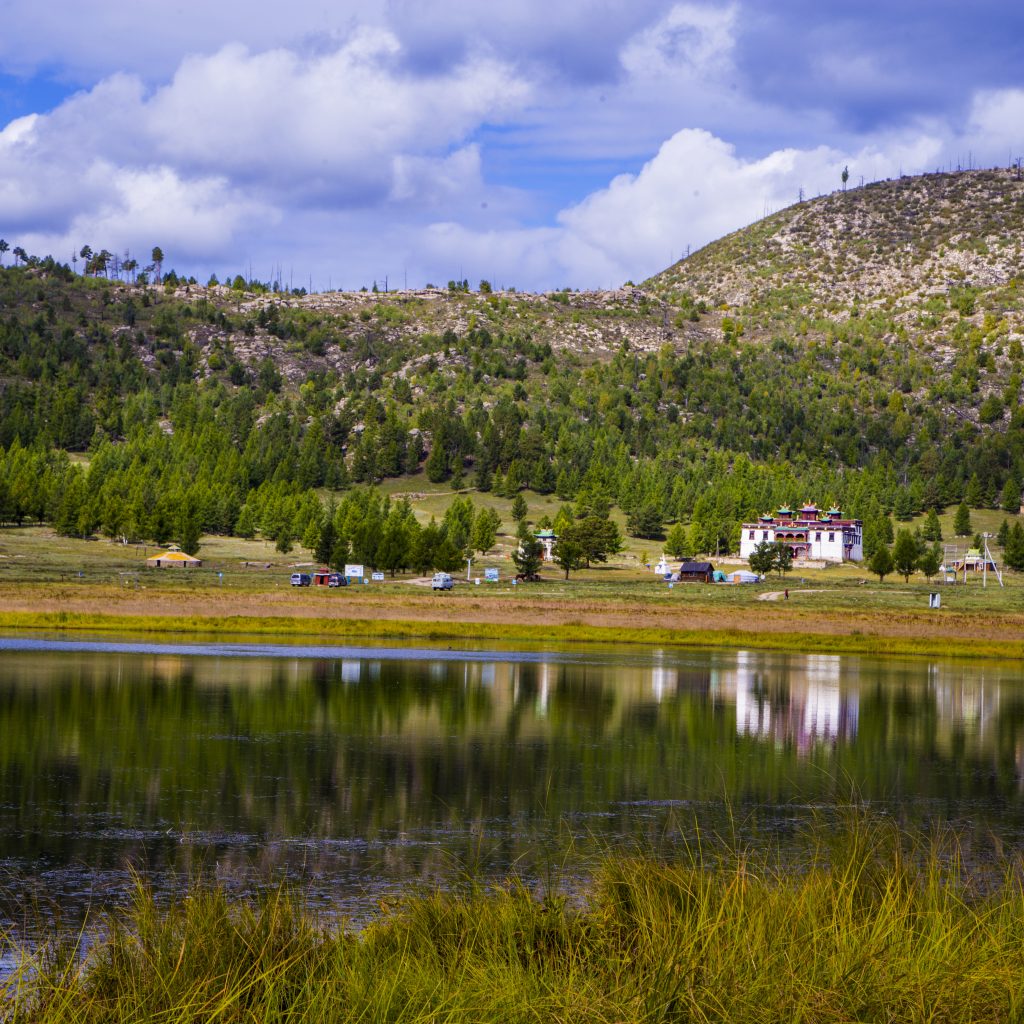
Head to the Onon river, enjoy some fresh air by the Yol Lake – this is the artificial lake made by local rangers if you can be more sharp eyed, you can discover some ancient tombs.
Try some flyfishing and chil by the river
Evening:
Dinner by the river and enjoy the campfire. Return to the village and stay at hostel family.
Morning:
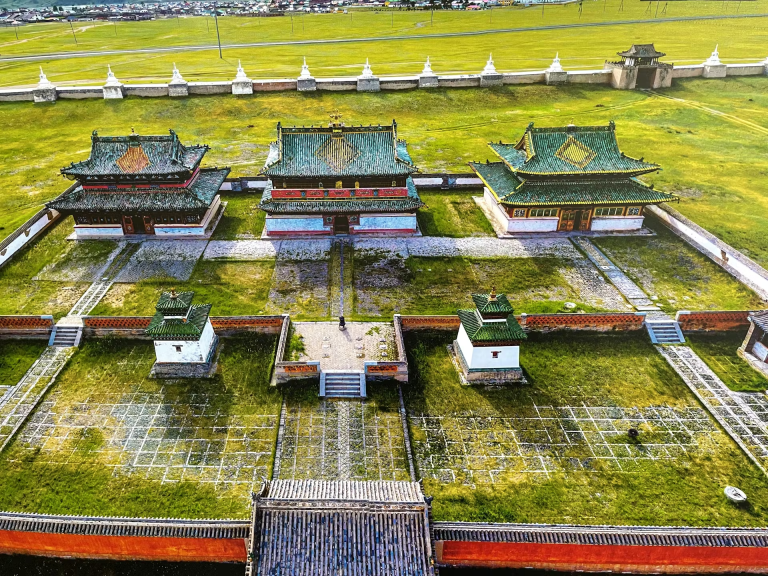
A scenic drive back to the capital. On the road you will visit one of the few Mongolian castle ruins of the site of an ancien Empire – Ugkugchiin kherem
Stop by the Binder ovoo and discover ancient mongolian rock painting – Only one rock painting found and described the symbols used the Hun’s period.
Afternoon:
Continue to Ulaanbaatar city and have lunch at the local village on the road.
Evening:
Arrive in Ulaanbaatar and have a deep relax

We tailor our tours to your budget and schedule. Click below to start organizing your journey with us!
🎒 All Activities: Every stop on your itinerary.
🍽️ Meals: As stated (B / L / D).
🗣️ Expert Guide: English-speaking & professional.
🎟️ Entry Fees: All tickets to visits & museums.
🛬 Transfers: 24/7 Airport Pick-up & Drop-off.
💧 Daily Water: 1L bottle per person on the coach.
🚐 Transport: Private vehicle & fuel for the trip.
🚗 Vehicle Tier (Economy to Luxury)
🏨 Stay Options (Boutique or 5-Star)
🍽️ Meal Packages (Full or Half Board)
🎙️ Specialist Guides (Multi-language)
⏳ Extended Duration (Add extra days)
🏇 Special Experiences (Add or change the activities)
🥂 Drinks: Alcohol, sodas, and minibar
✈️ Flights: International or Domestic tickets.
🛂 Visas: Mongolian Visa fees/processing.
🛡️ Insurance: Travel insurance (Highly Recommended).
💵 Tipping: For guides, drivers, local family & other service staff.
🧺 Personal: Laundry, telephone, & extra shopping.
🍱 Unlisted Meals: Any food not in the itinerary.
⏳ Flexible Stays: Early check-in/late out (Upon request).
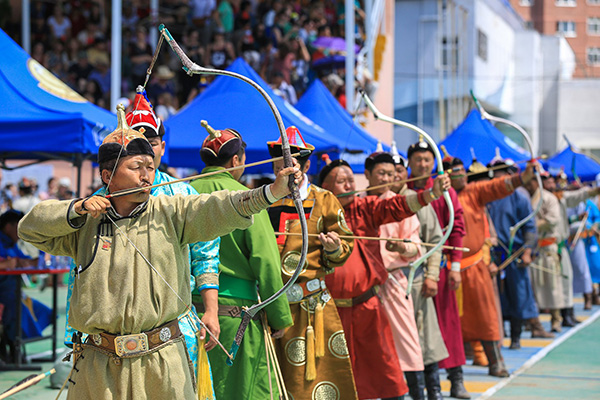
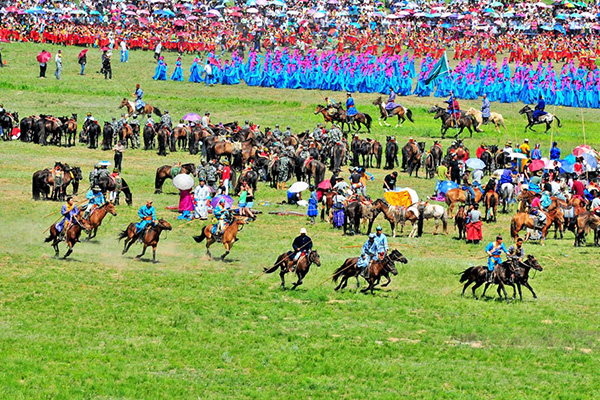
May to September is the best season, with the peak season in July for the Naadam Festival. July and August are also the wettest months of the year but be assured, our climate is such that you will still have many sunny days at this time. The best time to visit the Gobi is June or September.
Because Naadam (July 11–15) is our national holiday, during this period – specially july is the best period for travel to catch the local events. But remember to book up 3–6 months in advance. *
Tip: If you plan to travel during this week, contact us early to secure your “Peak Season” spot. Note that a small surcharge applies during this window due to the high demand for local logistics.
Mongolia is a land of untouched beauty, but it is also a place where modern infrastructure is still developing. To enjoy your trip, it helps to embrace the nomadic lifestyle!
Once we leave the capital city of Ulaanbaatar, Western-style flush toilets become rare.
In the Countryside: Most stops will feature traditional “pit toilets” (wooden outhouses).
On the Road: During long drives, we often use “nature’s bathroom” (finding a private spot behind a hill or bush).
💡 Pro-Tip: We recommend always carrying a small kit with hand sanitizer, wet wipes, and tissues in your day bag.
Mongolia is a vast country with very few paved roads.
The “Mongolian Massage”: Expect long drives on bumpy, unpaved tracks. It is part of the adventure, but it can be tiring.
The Reward: These “rough” roads are exactly what keep Mongolia’s nature so pristine and free from tourist crowds!
Charging: In many Ger camps, electricity is only available for a few hours in the evening via solar power or generators.
💡 Pro-Tip: Bring a high-capacity power bank to keep your camera and phone charged throughout the journey.
Mongolia is known as the “Land of the Eternal Blue Sky,” but that sun can be intense!
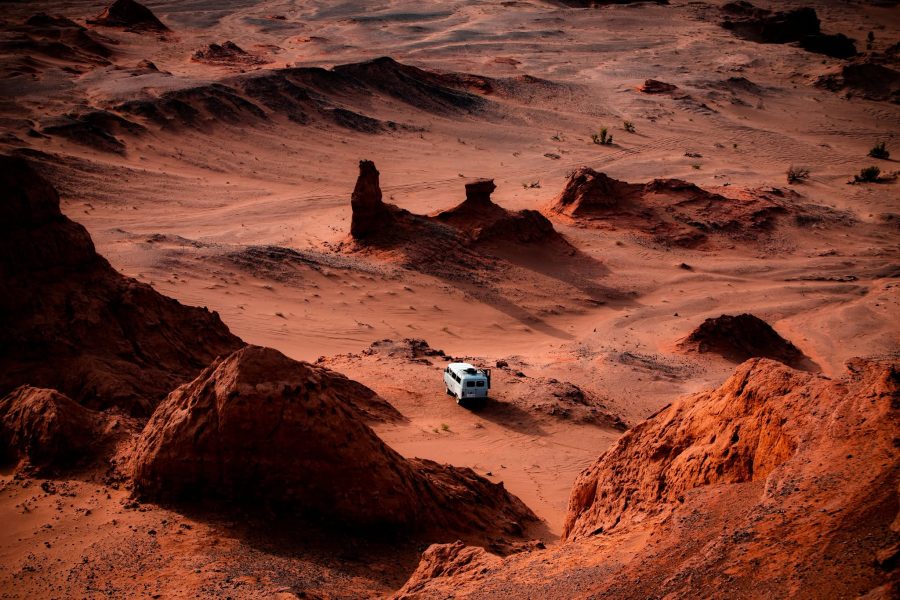
The Gobi Heat: During July, temperatures in the Gobi can exceed 35°C (95°F). Most traditional Ger camps do not have air conditioning, as they are designed for natural ventilation.
The Night Chill: Conversely, even in summer, temperatures can drop rapidly after sunset.
💡 Pro-Tip: Dress in breathable, light-colored fabrics for the day, but keep a warm sweater ready for the evening.
Summer is the “rainy” season, but it usually comes in short, dramatic bursts rather than days of drizzle. These rains make the steppe turn a beautiful, vibrant green!
Why book with a group during extreme weather?
Safety in Numbers: If a sudden storm or heatwave hits, our heavy-duty 4WD vehicles 🚐 provide a safe, climate-controlled sanctuary.
Cost Efficiency: Sharing the cost of a high-quality, reliable vehicle means you stay comfortable in the heat without paying a “private luxury” premium. The more friends you bring, the better the ride for everyone! 💸
Plan your Mongolia trip with local experts 🇲🇳
Get your free custom itinerary in minutes
Get Free Custom Itinerary