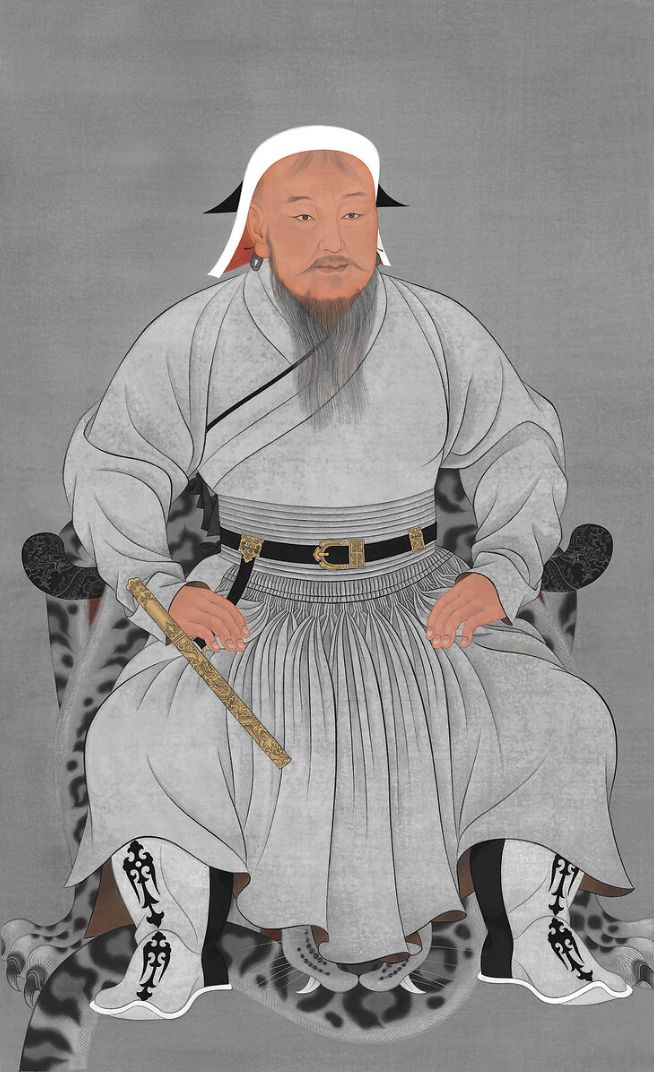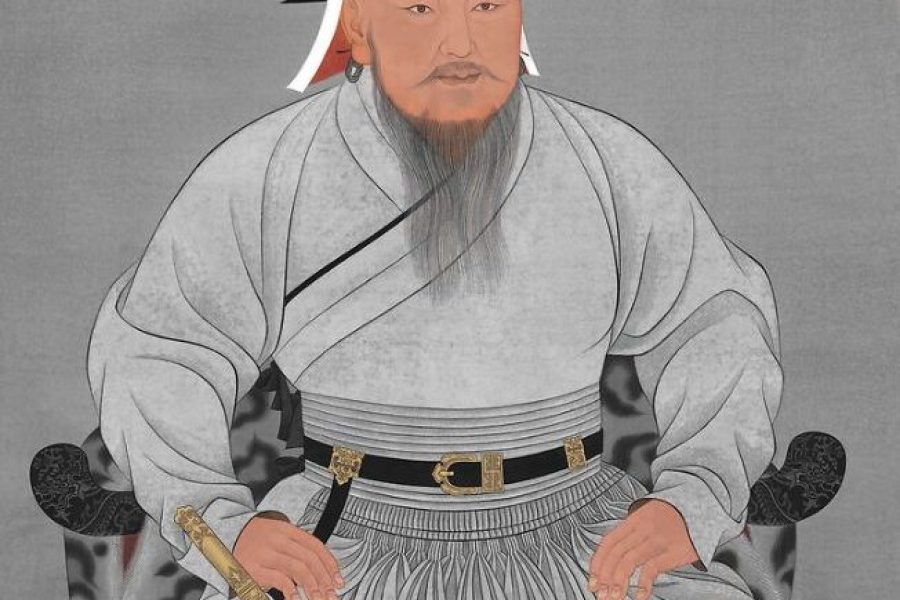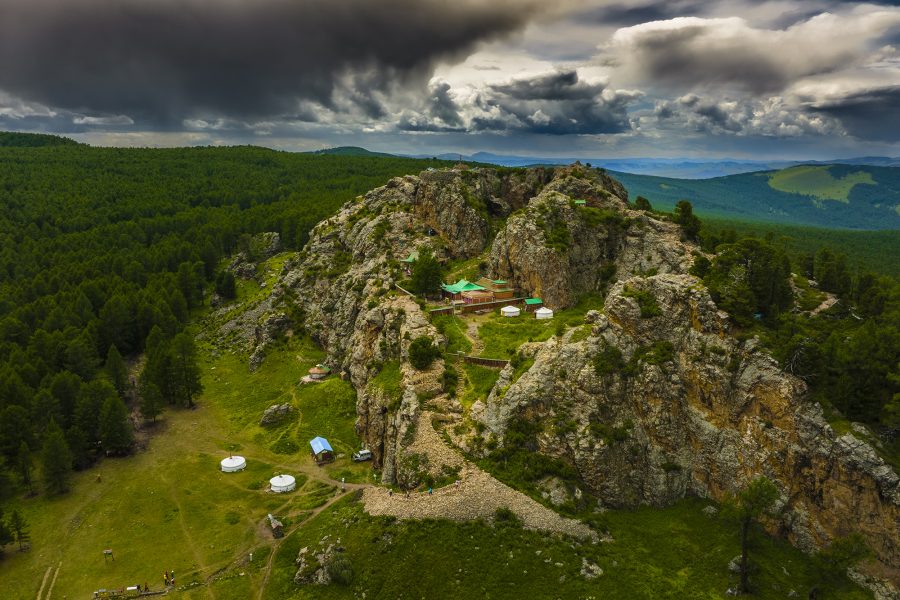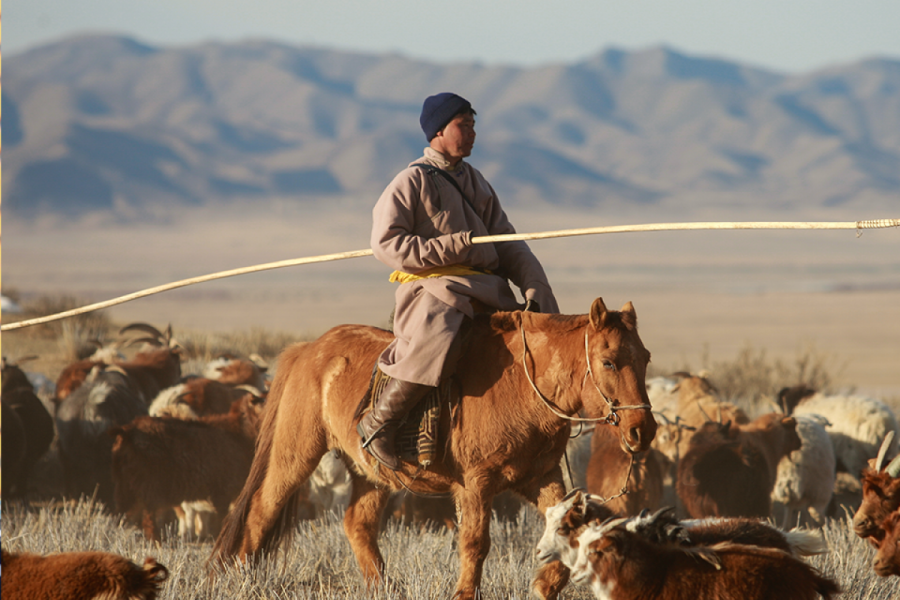
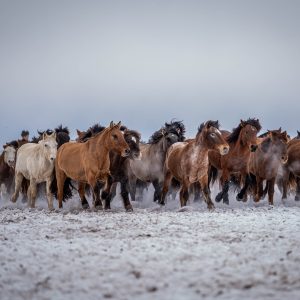
To truly understand the scale of the Mongol Empire—the largest contiguous land empire in human history—one must look toward the horizon of the Khentii province. It is a land of paradox: at once harsh and breathtakingly beautiful, silent yet echoing with the ghosts of a hundred thousand galloping horses. Before he was the “Universal Ruler,” Chinggis khan, he was Temujin, a boy forged in the crucible of hardship, betrayal, and survival.
We invite you to venture beyond the typical tourist trails and step into the rugged landscapes of Chinggis Khan’s birthplace. This is the untamed terrain that shaped a leader of iron will, offering a journey that is as much a spiritual pilgrimage as it is a historical expedition.
The sacred mountains and sweeping grasslands of Khentii remain remarkably untouched by time. This isn’t just a geographic location; it is a living monument to the Great Mongol Empire. For centuries, the “Ikh Khorig” or the “Great Taboo”—a strictly protected zone around the Khan’s ancestral lands and rumored burial site—kept the modern world at bay. Access was forbidden under penalty of death, preserving the ecosystem and the mystery of the region for over 800 years.
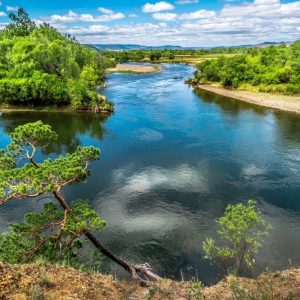
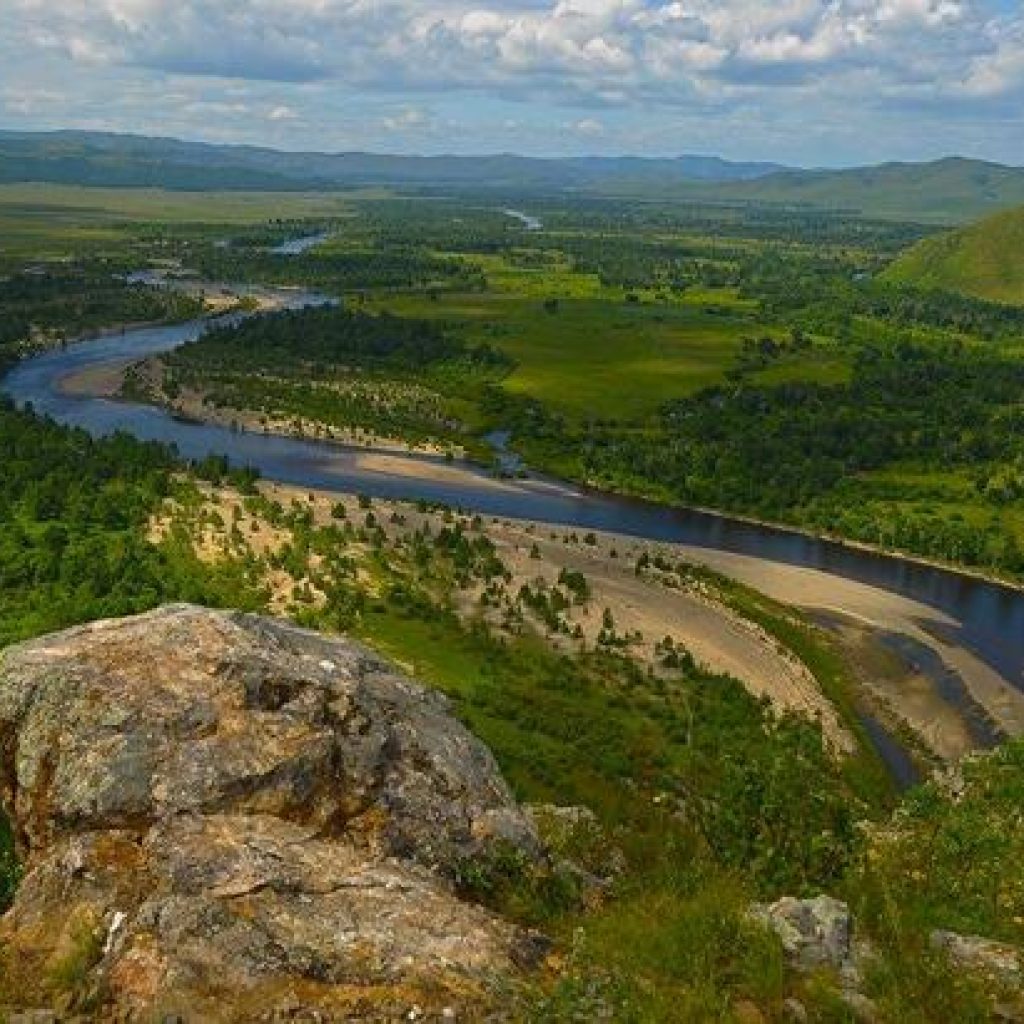
Today, travelers can still feel that ancient energy in the whispering Siberian larch forests and the crystalline waters of the Onon River. Legend tells us that Temujin was born at Deluun Boldog, clutching a blood clot the size of a knucklebone in his hand—a sign from the eternal blue sky that a great warrior had arrived. Walking these riverbanks, you aren’t just seeing a landscape; you are witnessing the scenery that inspired the Secret History of the Mongols, the oldest surviving literary work in the Mongolian language.
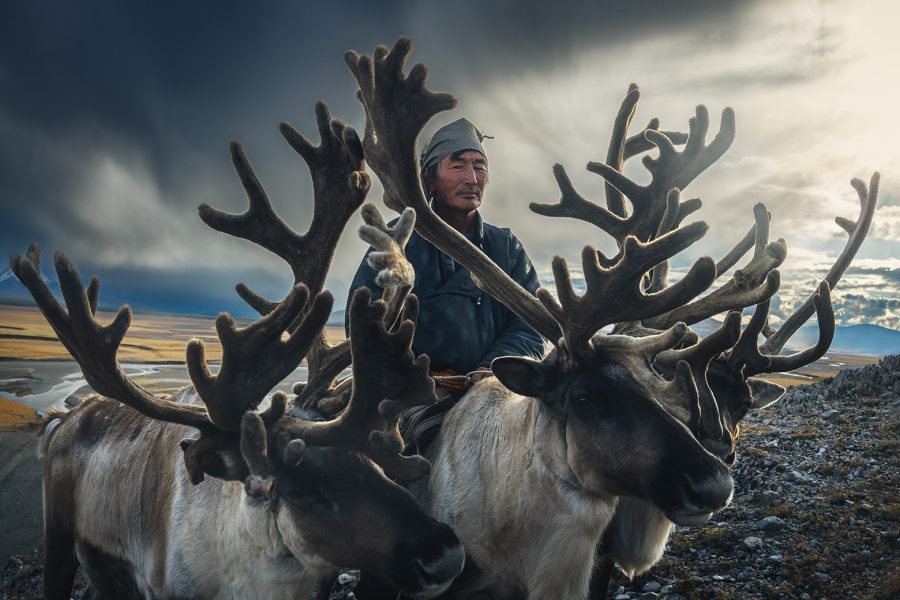
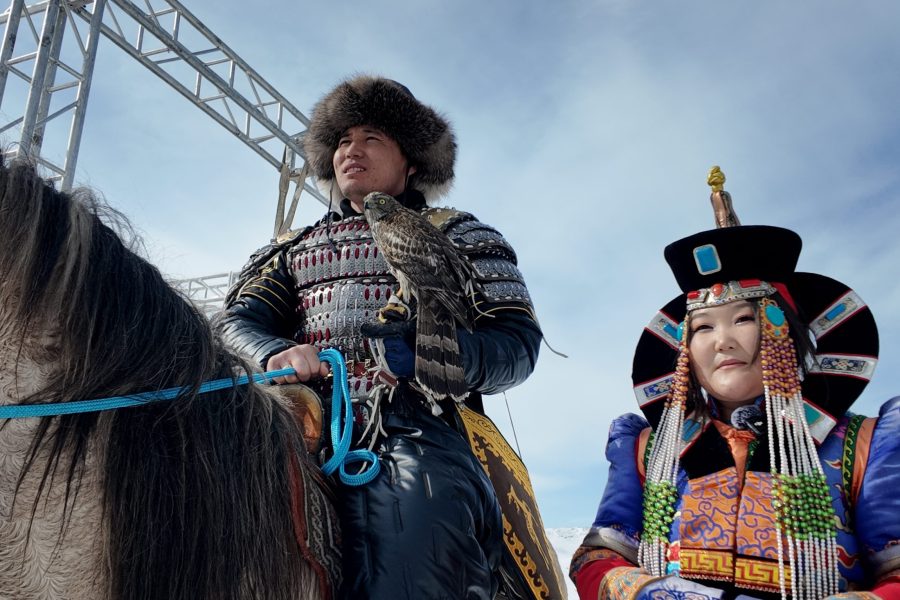
To grasp the Mongol spirit, you must engage with the modern guardians of this land. The people of Khentii are the living bridge between the 13th century and the present day.
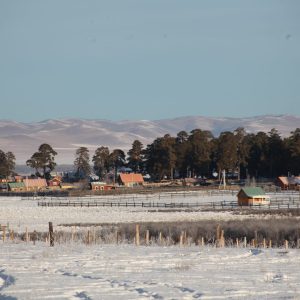
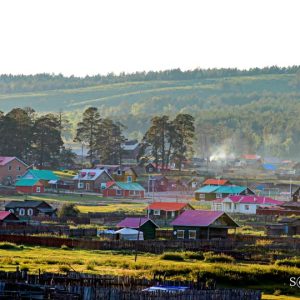
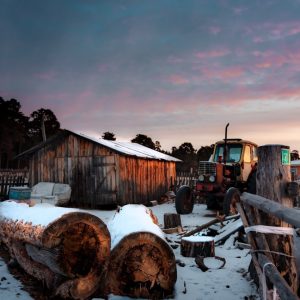
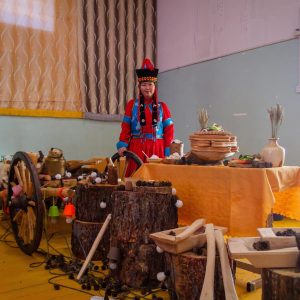
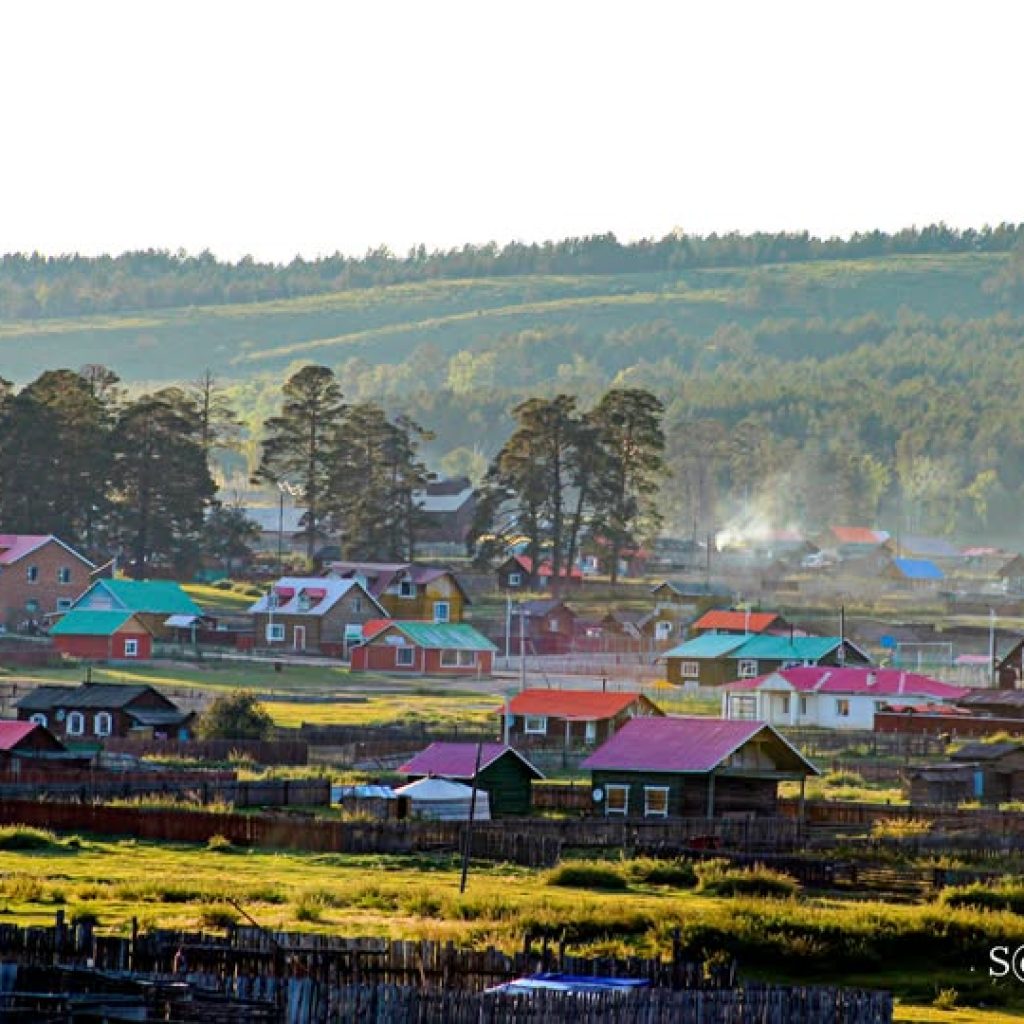
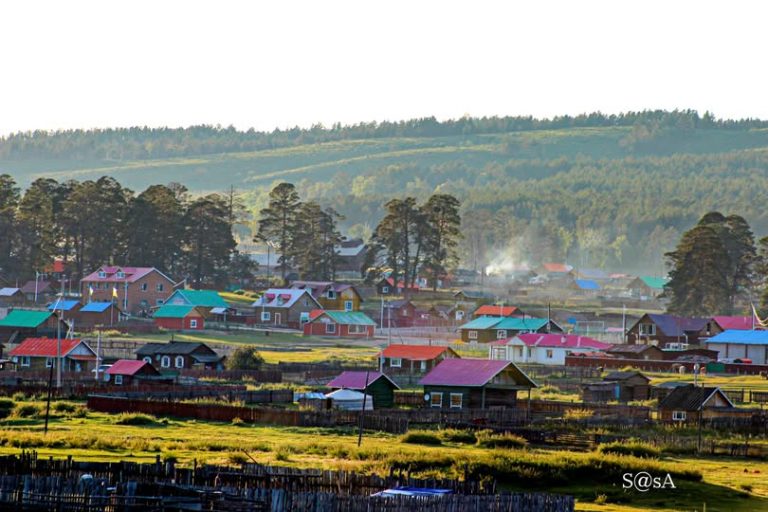
The Buryat People: One of Mongolia’s most industrious and culturally distinct ethnic groups, the Buryat people call this forest-steppe region home. Unlike the felt-ger-dwelling nomads of the open Gobi, many Buryats are known for their unique log-cabin architecture and their rich dairy traditions. Visiting a Buryat community offers a distinct window into the resilience required to thrive in the northern frontier.
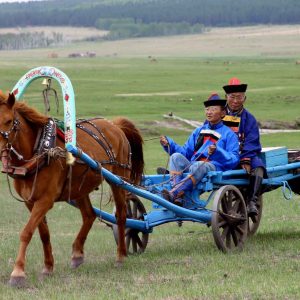
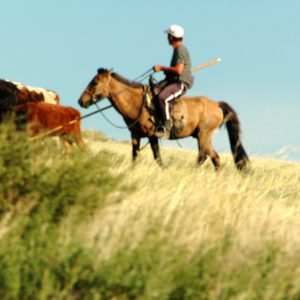
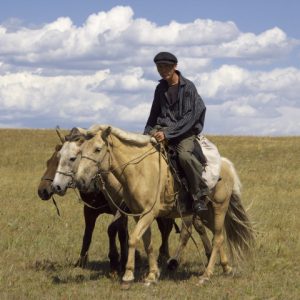
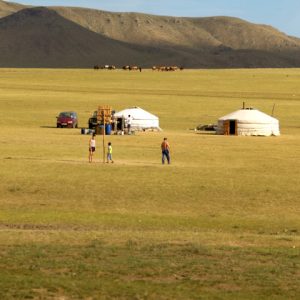
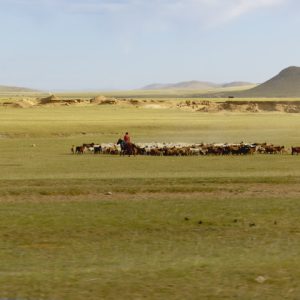
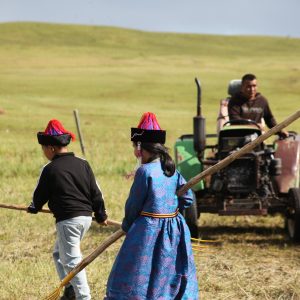
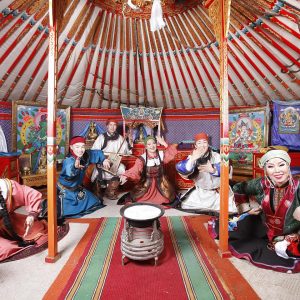
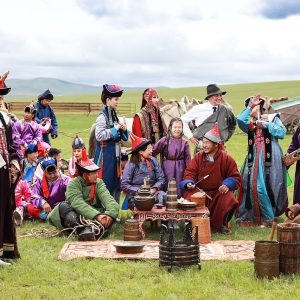
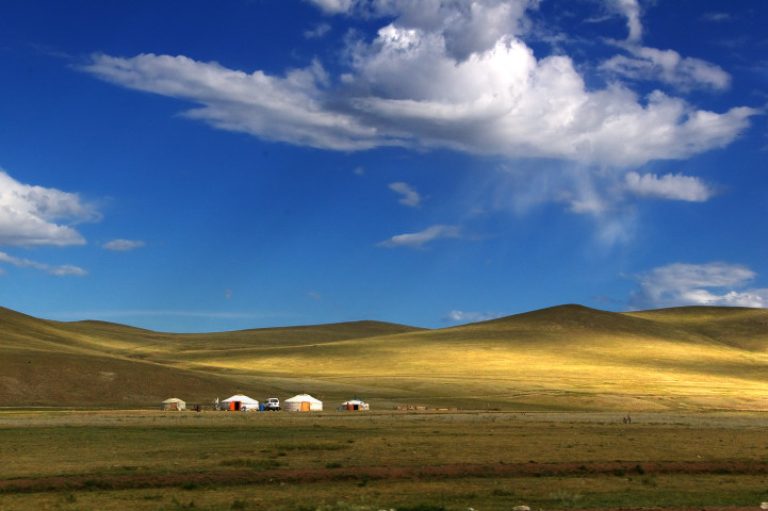
The Philosophy of the Nomad: Experience the hospitality that has remained unchanged since the Middle Ages. By staying with a nomadic family, you learn how the rhythm of the seasons informed the military brilliance of the Great Khan. His army’s mobility, their ability to survive on the land, and their deep connection to the horse were all born from the daily necessities of nomadic life.
Archaeological Whispers: The Khentii province is a treasure trove for those interested in ancient human history. Beyond the Mongol Empire, you can explore deer stones, burial mounds (khirigsuur), and rock art that predate the Khan by millennia, revealing a timeline of human survival stretching back to the Stone Age.
Chinggis Khan’s birthplace remains a premier hidden destination for those seeking a “Secret History” experience. In a world that feels increasingly crowded and mapped, Khentii offers a rare opportunity to find tranquility in the breeze and silence in a vastness where few outsiders have set foot.
Nestled in the heart of northeastern Mongolia, this region invites exploration and deep reflection. As you wander through the untouched terrain of the Khan Khentii Strictly Protected Area, you will feel the profound legacy of Chinggis Khan permeate the air. It is a legacy that redefined global trade, communication (through the Yam postal system), and religious tolerance.
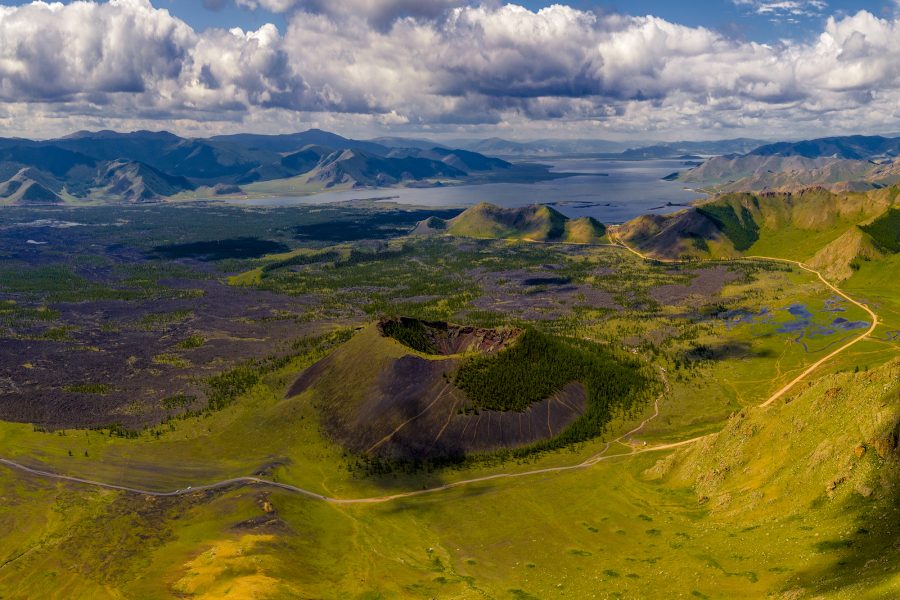
To visit the birthplace of the Great Khan is to enter the embrace of Onon-Balj National Park, a sprawling sanctuary that covers over 400,000 hectares of northeastern Mongolia. Designated as a UNESCO Biosphere Reserve in 2023, this park is far more than a backdrop to history; it is a vital ecological crossroads where the Siberian Taiga meets the Daurian Steppe.
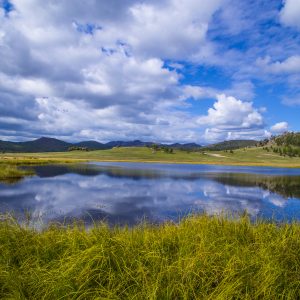
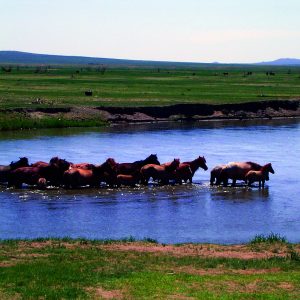
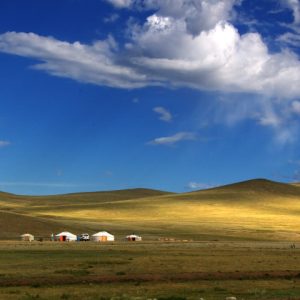
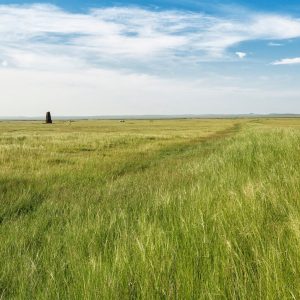
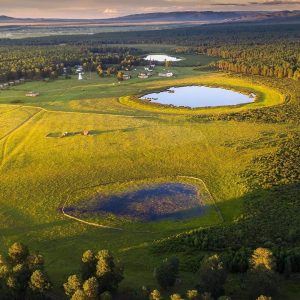
This convergence creates a “biodiversity hotspot” unlike anywhere else in Central Asia. Here, the landscape transitions seamlessly from dense, aromatic coniferous forests of larch and pine to the golden, undulating grasslands that have sustained nomadic life for millennia.
The park’s unique positioning allows both forest and steppe species to thrive side-by-side. For nature enthusiasts, Onon-Balj is a living gallery of rare and endangered fauna:
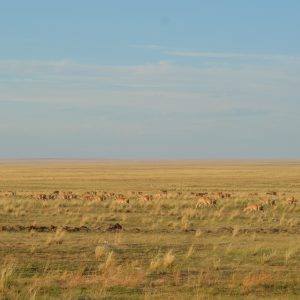
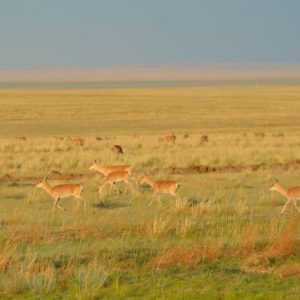
Majestic Mammals: The deep forests provide cover for moose, red deer, and the elusive Siberian musk deer. On the open plains, you might spot the Mongolian gazelle or the solitary Pallas’s cat (Manul), a small wild cat known for its expressive face and thick fur.
A Birdwatcher’s Paradise: The park is a critical link in the East Asian-Australasian Flyway. It is one of the few places on Earth where you can see the white-naped crane and the great bustard—one of the world’s heaviest flying birds—nesting in their natural habitat.
The King of the River: Beneath the surface of the Onon River swims the Siberian Taimen. Known as the “River Wolf,” this giant salmonid is a legendary predator and a symbol of the pristine health of these waters.
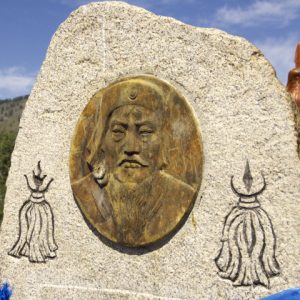
The world knows Chinggis Khan as a conqueror, but here, he is known as the father of a nation. To visit Khentii is to peel back the layers of myth and see the man. It is a place to witness the beauty of a land that shaped the world as we know it. From the spiritual peak of Burkhan Khaldun—the mountain where Temujin prayed for guidance—to the rolling hills where he gathered the scattered tribes into a single “people of the felt walls,” every coordinate tells a story.
Let’s explore where the world-conquering story began, in a land where the spirit of the Man of the Millennium still roams free across the eternal steppe.

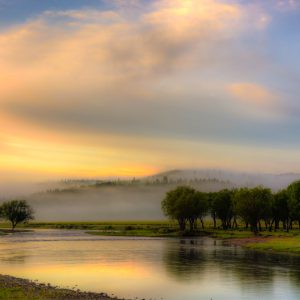
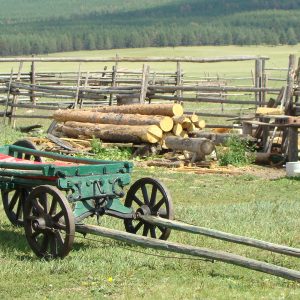
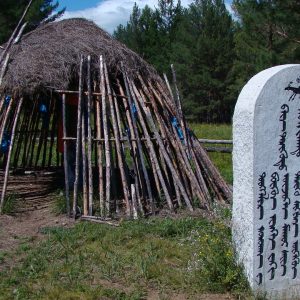
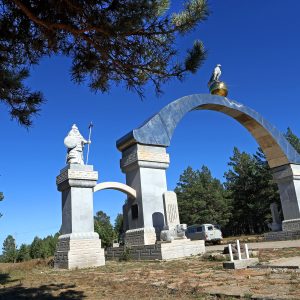








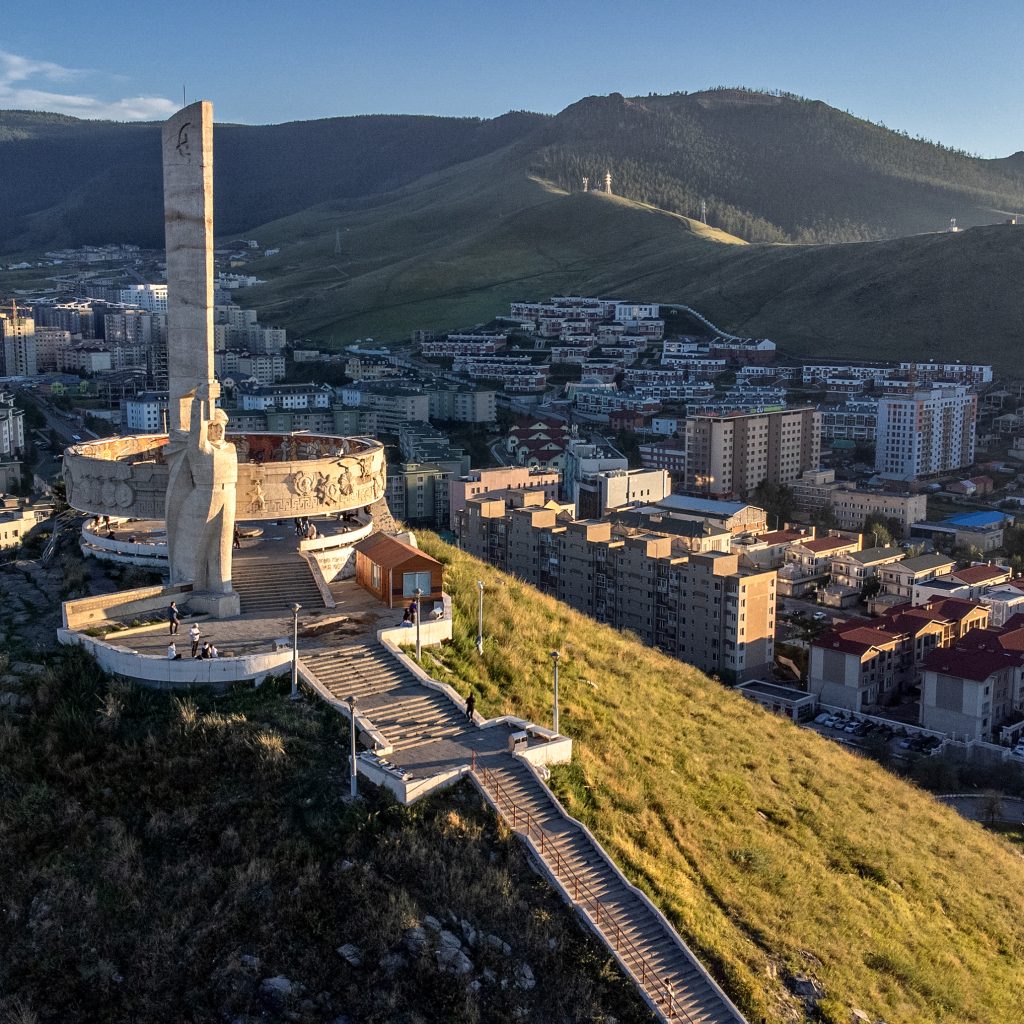
Upon reaching Ulaanbaatar city, complete the immigration and visa on arrival process at the airport. Meet our driver at the airport and board your transfers to reach the pre-booked hotel. Complete the check-in procedure at the hotel and get ready to explore this capital city of Mongolia. Free time for leisure to downtown for enjoying the bustling local life. This bustling area of narrow streets and alleys is home to literally hundreds of small businesses and shopkeepers. It’s a great place to explore with plenty of photo opportunities all around you. Return back to the hotel for an overnight stay.
Morning:
After breakfast, we’ll visit Gandan Monastery, the spiritual heart of Mongolia. Here, you’ll stand before the breathtaking Migjid Janraisig, a 26-meter gilded statue of the “Lord of Compassion” that towers within the main temple.
Afternoon:
Next, we’ll transition from the spiritual to the imperial at the Chinggis Khaan National Museum. This world-class facility houses over 10,000 artifacts, offering a cinematic look at the Great Mongol Empire. Many of the treasures here provide the essential “backstory” for the landscapes and ruins we’ll encounter later in our journey. /remember the visit will take at least 2 hours/
Evening:
Following a traditional Mongolian lunch, we’ll browse the State Department Store for souvenirs and supplies. The day concludes with a stirring folk concert and dinner before returning to the hotel

Morning:
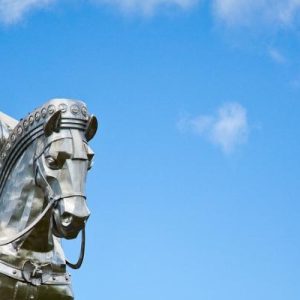
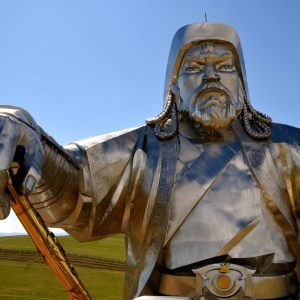
Journey toward the majestic Blue Lake, stopping at Tsonjin Boldog to witness the world’s largest silver-plated equestrian statue of Chinggis Khan.
Lunch:
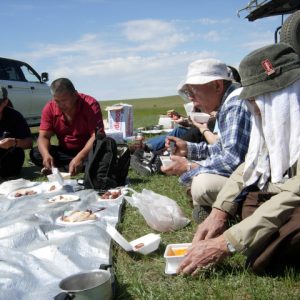
Enjoy authentic Mongolian cuisine in the local village of Baga Nuur.
Afternoon:
Arrive at Khar Zurkhnii Khukh Lake, a site of immense historical power. It was here that Temujin was officially crowned Khan of the Mongols and met his legendary general, Boorchi.
Evening:
Settle into a comfortable tourist camp. Spend your free time hiking the forested trails or enjoying the lakeside with horse ride before a group dinner.
Overnight: Tourist camp at Blue Lake.


Morning:
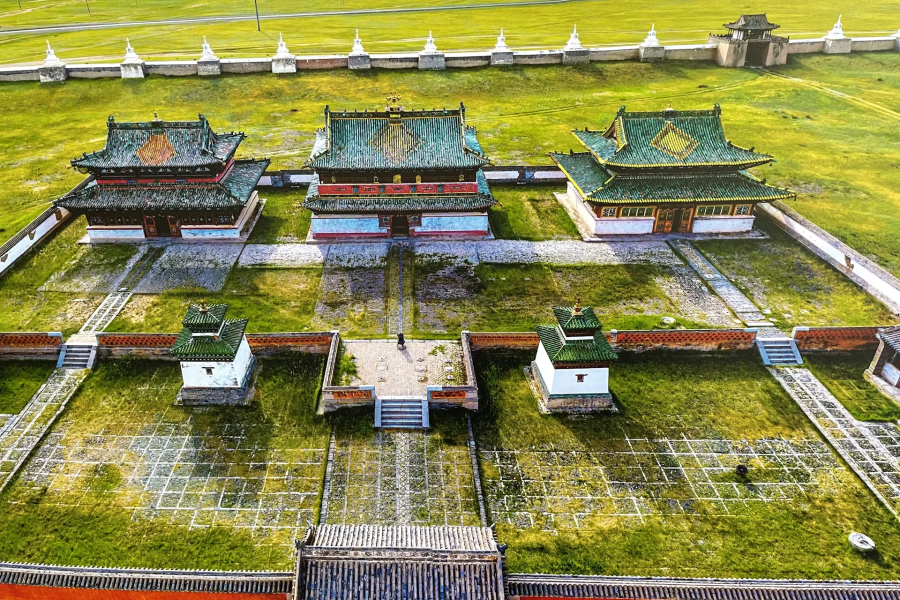
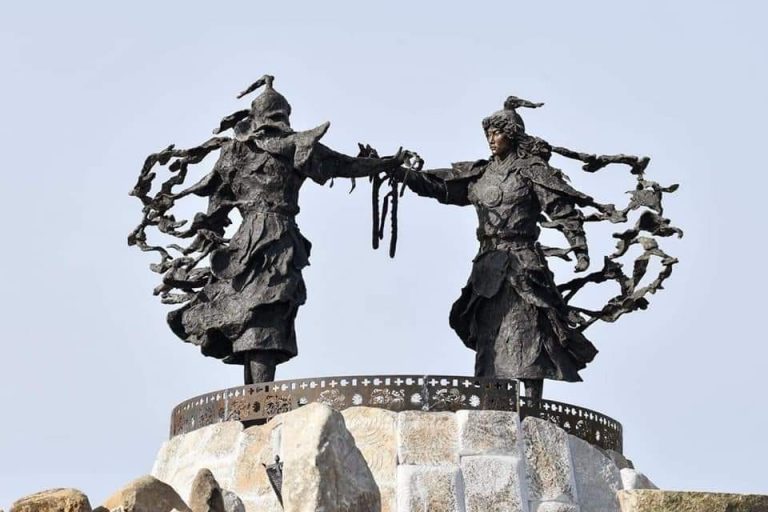
After a leisurely breakfast, visit the Baldan Bereeven Monastery, a dramatic 17th-century Buddhist complex set against rugged mountains. From there, travel through the Khorhkhonug Jibur Valley, the historic site where Temujin and his “blood brother” Jamukha lived as allies and famously exchanged golden belts to seal their friendship. This valley is also the birthplace of his eldest son, Jochi.
Lunch:
Enjoy a local meal in Ömnödelger soum before continuing the journey.
Afternoon:
Step back in time at Rashaan Khad, an archaeological treasure trove of Stone Age rock carvings and ancient inscriptions. Nearby, explore the mysterious Oglogchiin Wall, an 8th-century Khitan-era royal cemetery.
Evening:
Arrive at Binder Village to check into a comfortable tourist camp. Enjoy a peaceful dinner and relax in the Mongolian wilderness.
Overnight: Tourist camp at Binder Village.

Morning:
After a hearty breakfast, set off for Dadal village, the legendary birthplace of Chinggis Khan. En route, enjoy the scenic Pine Forest Corridor and the dramatic Yargui Cliffs of Binder. Continue to Bayan-Adraga to explore the ancient Hunnu Tombs at Duurlig Nars and the Mongol Queens’ Palace Complex, dedicated to the influential women of the Empire.
Lunch:
Enjoy a traditional meal at a local restaurant before heading deeper into the heart of Khentii Province.
Afternoon:
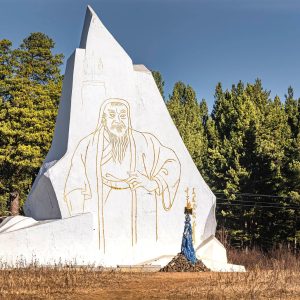
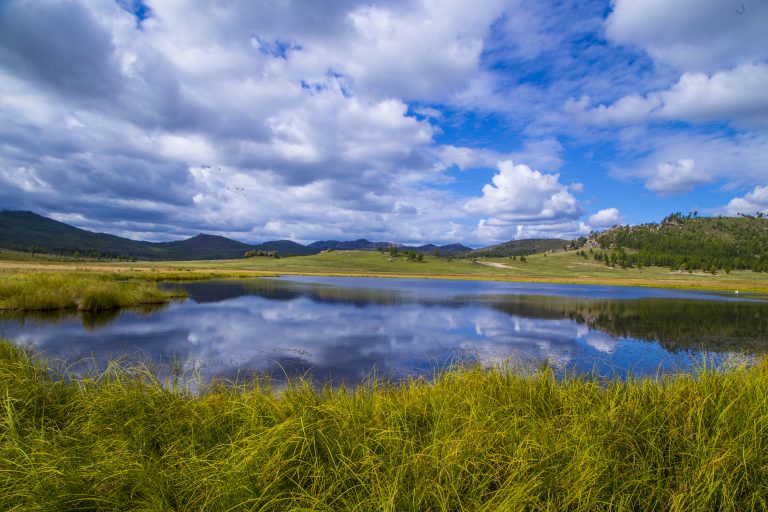
Arrive in Dadal to visit Deluun Boldog, the sacred site where Temujin was born in 1162. This powerful landmark, along with the Chinggis Khan Light Statue and the serene “Three Lakes” area, offers a profound connection to the Great Khan’s earliest years.
Evening:
Check into a comfortable tourist camp near the birthplace of the Khan. Enjoy dinner and a relaxing evening surrounded by the peaceful, historic landscapes.
Overnight: Tourist camp in Dadal.


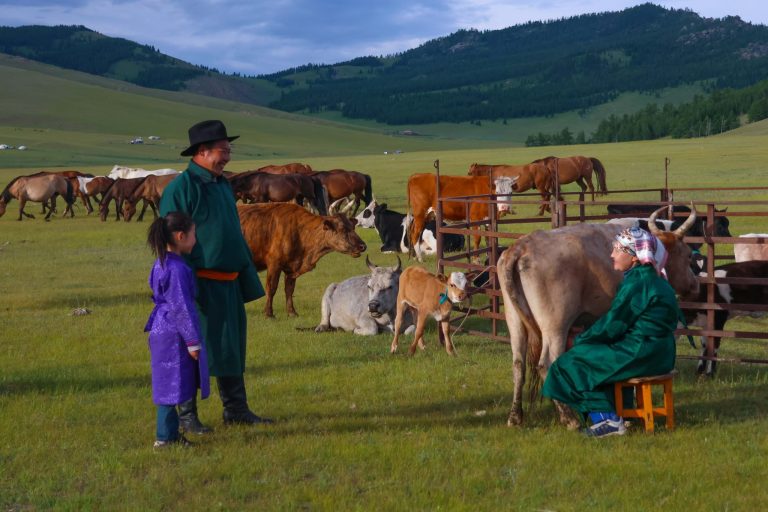
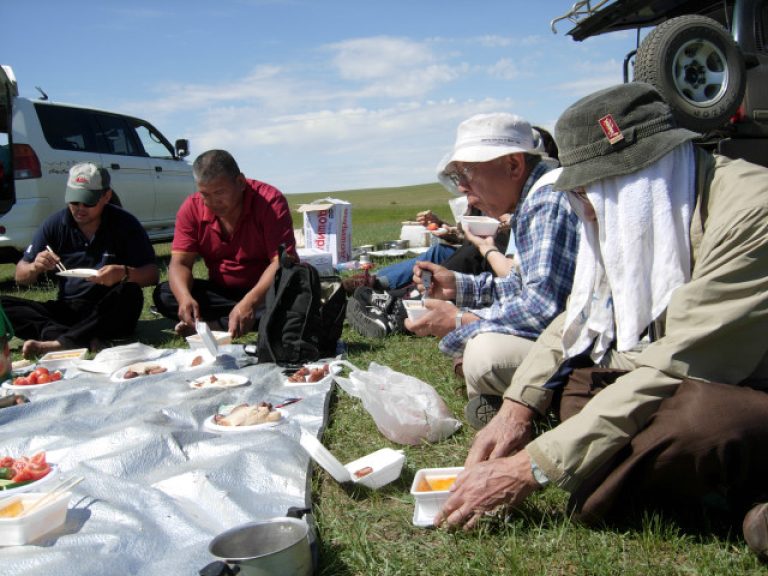
Morning: Begin the day early with a local Buryat family for a true nomadic morning. Join them in the fresh air to experience milking the cows before helping prepare traditional dairy products. Afterward, sit down with the family for a authentic local breakfast, featuring fresh cream, homemade bread, and Mongolian tea.
Lunch: After spending the morning immersed in village life, enjoy a traditional farewell lunch with your hosts before departing Dadal.
Afternoon: Journey toward Chinggis City, stopping at the Shikhikhutag Complex in Norovlin, dedicated to the Empire’s supreme judge. In Batnorov, visit the Friendship Monument, which marks the legendary first meeting between Temujin and his lifelong ally, Boorchi. Upon arrival in the city, explore the Khentii Province Museum to see treasures from the Khan’s birthplace.
Evening: Check into your hotel in the city center. Enjoy a hearty dinner and relax after a day filled with cultural connections.
Overnight: Hotel in Chinggis City.
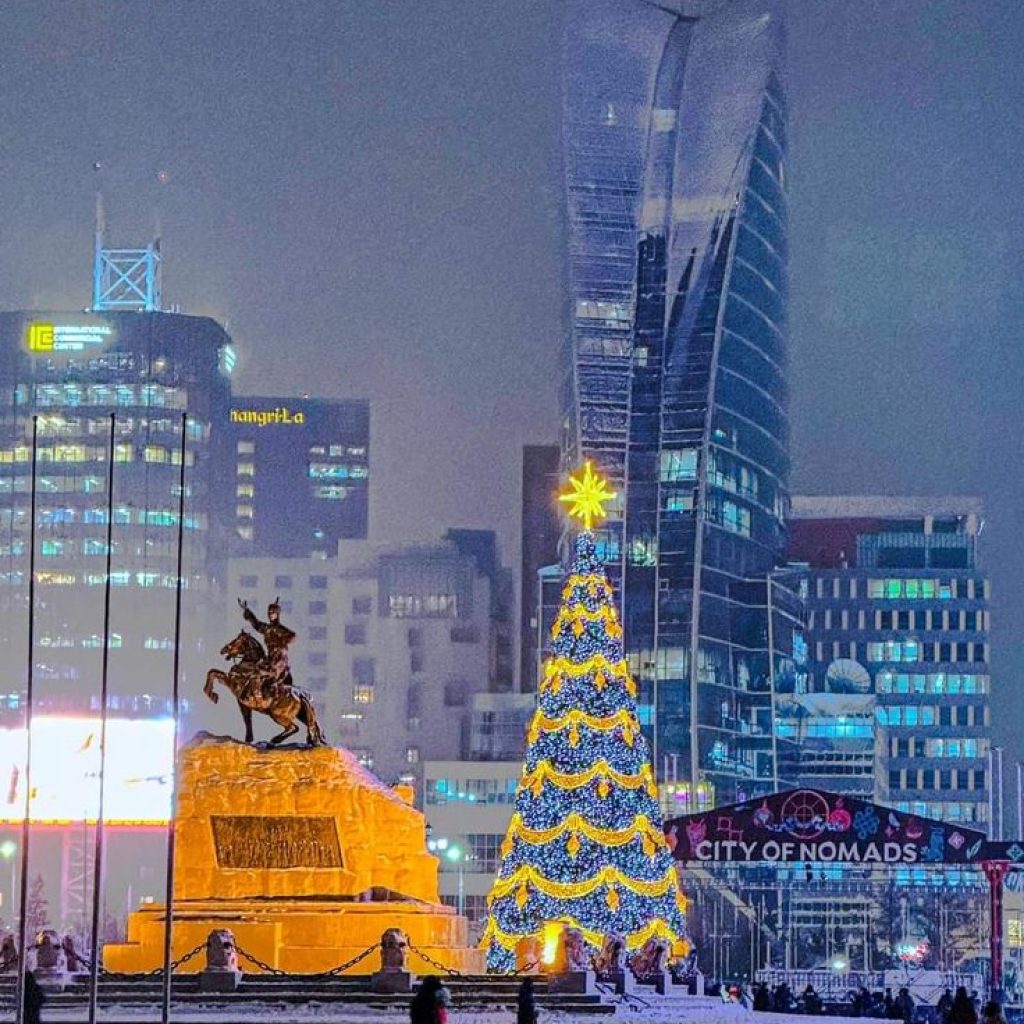
Morning: After a hearty breakfast, begin the scenic journey back to Ulaanbaatar.
Lunch: Stop in Baganuur to enjoy a final traditional Mongolian meal on the road.
Afternoon: Upon arrival in the capital, check into your hotel and enjoy free time for shopping. This is the perfect chance to pick up world-class Mongolian cashmere, handmade crafts, and unique souvenirs.
Evening: Gather for a special farewell dinner to celebrate your journey through the land of the Great Khan.
Overnight: Hotel in Ulaanbaatar.
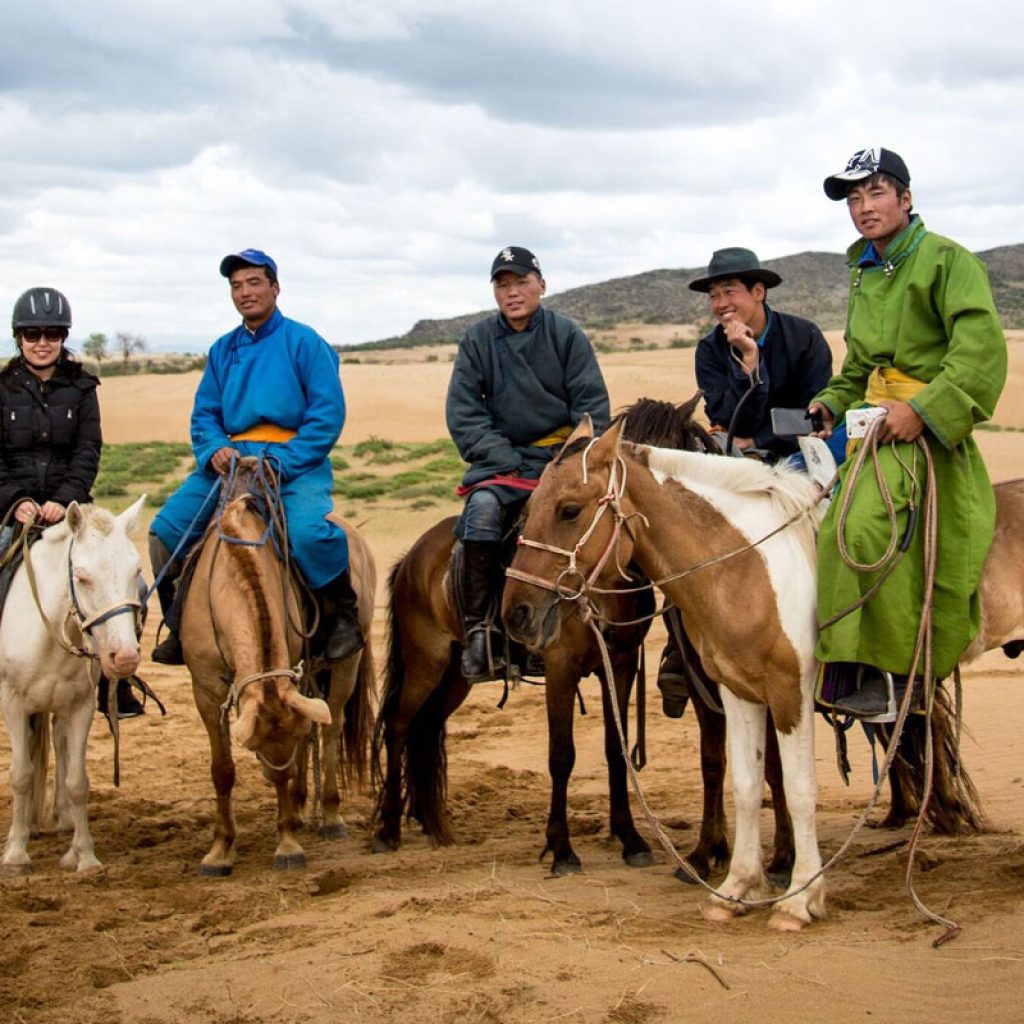
After breakfast, check out from the hotel and transfer to the airport for your departure.
Your unforgettable Mongolian journey comes to an end as you board your flight home.
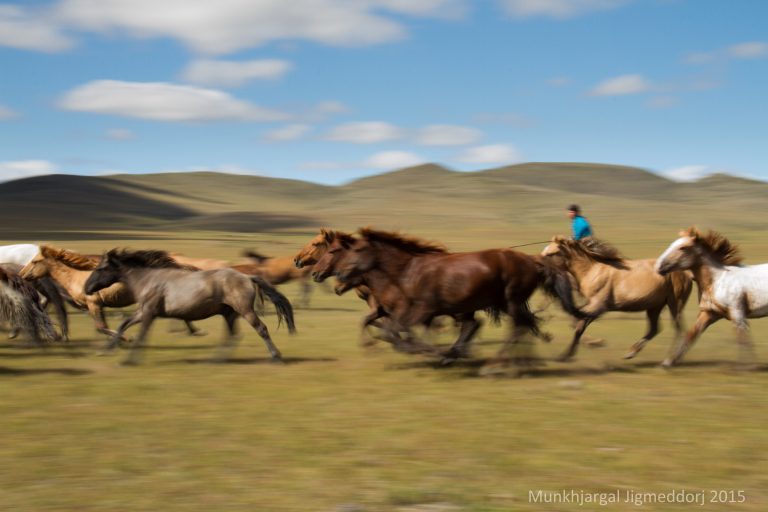

We tailor our tours to your budget and schedule. Click below to start organizing your journey with us!
🎒 All Activities: Every stop on your itinerary.
🍽️ Meals: As stated (B / L / D).
🗣️ Expert Guide: English-speaking & professional.
🎟️ Entry Fees: All tickets to visits & museums.
🛬 Transfers: 24/7 Airport Pick-up & Drop-off.
💧 Daily Water: 1L bottle per person on the coach.
🚐 Transport: Private vehicle & fuel for the trip.
🚗 Vehicle Tier (Economy to Luxury)
🏨 Stay Options (Boutique or 5-Star)
🍽️ Meal Packages (Full or Half Board)
🎙️ Specialist Guides (Multi-language)
⏳ Extended Duration (Add extra days)
🏇 Special Experiences (Add or change the activities)
🥂 Drinks: Alcohol, sodas, and minibar
✈️ Flights: International or Domestic tickets.
🛂 Visas: Mongolian Visa fees/processing.
🛡️ Insurance: Travel insurance (Highly Recommended).
💵 Tipping: For guides, drivers, local family & other service staff.
🧺 Personal: Laundry, telephone, & extra shopping.
🍱 Unlisted Meals: Any food not in the itinerary.
⏳ Flexible Stays: Early check-in/late out (Upon request).
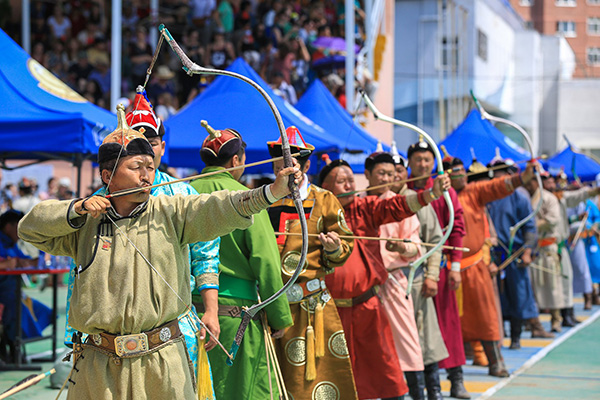
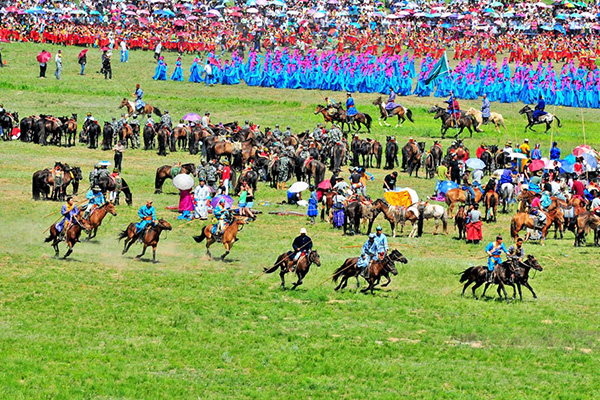
May to September is the best season, with the peak season in July for the Naadam Festival. July and August are also the wettest months of the year but be assured, our climate is such that you will still have many sunny days at this time. The best time to visit the Gobi is June or September.
Because Naadam (July 11–15) is our national holiday, during this period – specially july is the best period for travel to catch the local events. But remember to book up 3–6 months in advance. *
Tip: If you plan to travel during this week, contact us early to secure your “Peak Season” spot. Note that a small surcharge applies during this window due to the high demand for local logistics.
Mongolia is a land of untouched beauty, but it is also a place where modern infrastructure is still developing. To enjoy your trip, it helps to embrace the nomadic lifestyle!
Once we leave the capital city of Ulaanbaatar, Western-style flush toilets become rare.
In the Countryside: Most stops will feature traditional “pit toilets” (wooden outhouses).
On the Road: During long drives, we often use “nature’s bathroom” (finding a private spot behind a hill or bush).
💡 Pro-Tip: We recommend always carrying a small kit with hand sanitizer, wet wipes, and tissues in your day bag.
Mongolia is a vast country with very few paved roads.
The “Mongolian Massage”: Expect long drives on bumpy, unpaved tracks. It is part of the adventure, but it can be tiring.
The Reward: These “rough” roads are exactly what keep Mongolia’s nature so pristine and free from tourist crowds!
Charging: In many Ger camps, electricity is only available for a few hours in the evening via solar power or generators.
💡 Pro-Tip: Bring a high-capacity power bank to keep your camera and phone charged throughout the journey.
Mongolia is known as the “Land of the Eternal Blue Sky,” but that sun can be intense!
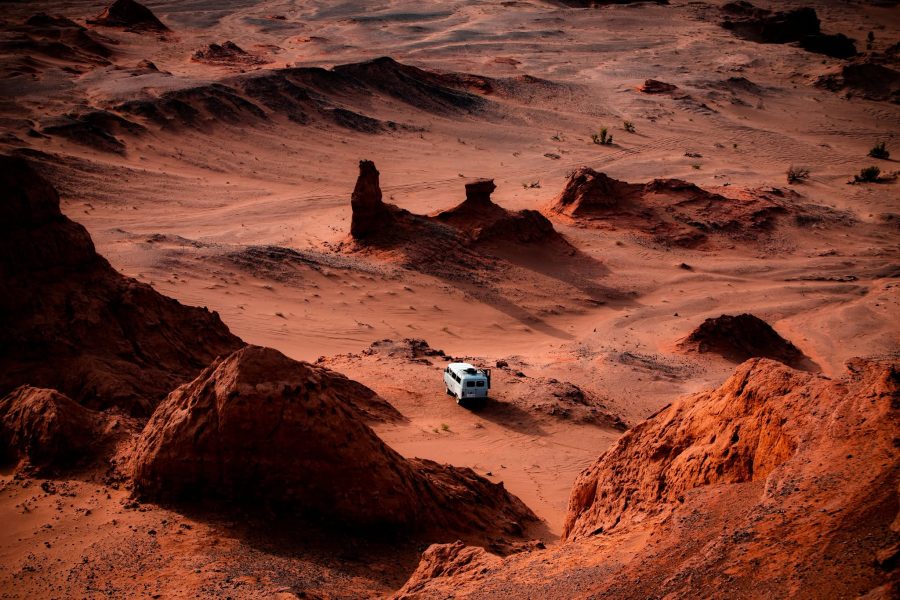
The Gobi Heat: During July, temperatures in the Gobi can exceed 35°C (95°F). Most traditional Ger camps do not have air conditioning, as they are designed for natural ventilation.
The Night Chill: Conversely, even in summer, temperatures can drop rapidly after sunset.
💡 Pro-Tip: Dress in breathable, light-colored fabrics for the day, but keep a warm sweater ready for the evening.
Summer is the “rainy” season, but it usually comes in short, dramatic bursts rather than days of drizzle. These rains make the steppe turn a beautiful, vibrant green!
Why book with a group during extreme weather?
Safety in Numbers: If a sudden storm or heatwave hits, our heavy-duty 4WD vehicles 🚐 provide a safe, climate-controlled sanctuary.
Cost Efficiency: Sharing the cost of a high-quality, reliable vehicle means you stay comfortable in the heat without paying a “private luxury” premium. The more friends you bring, the better the ride for everyone! 💸
Plan your Mongolia trip with local experts 🇲🇳
Get your free custom itinerary in minutes
Get Free Custom Itinerary