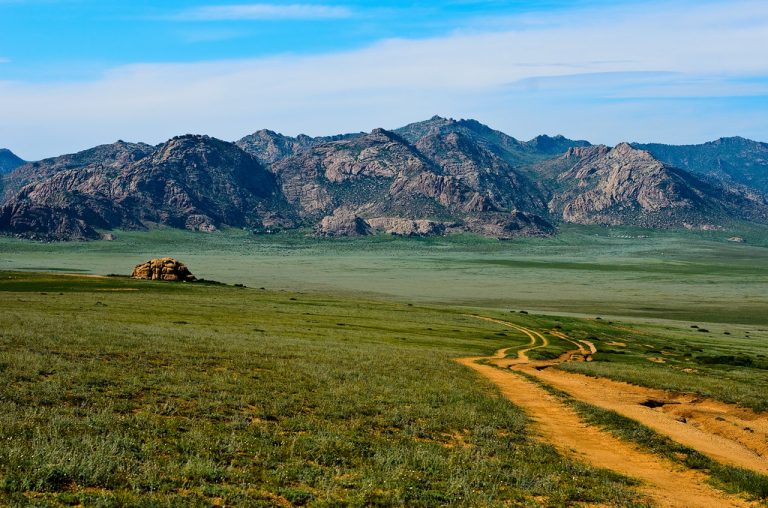
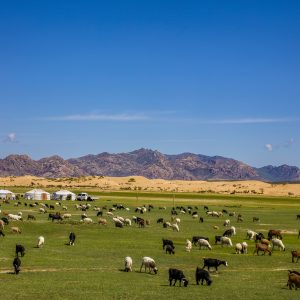
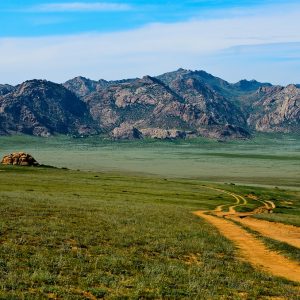
Mongolia is a land of profound contrasts, where some of Earth’s most diverse biomes converge under one “Eternal Blue Sky.” To the south lies the Gobi Desert, a mystical expanse of “Singing Sands” and flaming red cliffs that guard the secrets of the prehistoric world. Moving northward, the arid plains give way to the limitless steppe, the largest temperate grassland on Earth, before eventually rising into the rugged, snow-capped peaks of the Altai and Khangai Mountains. This dramatic transition from desert basins to alpine heights creates a landscape that feels both ancient and eternal, offering a sense of freedom that is increasingly rare in the modern world.
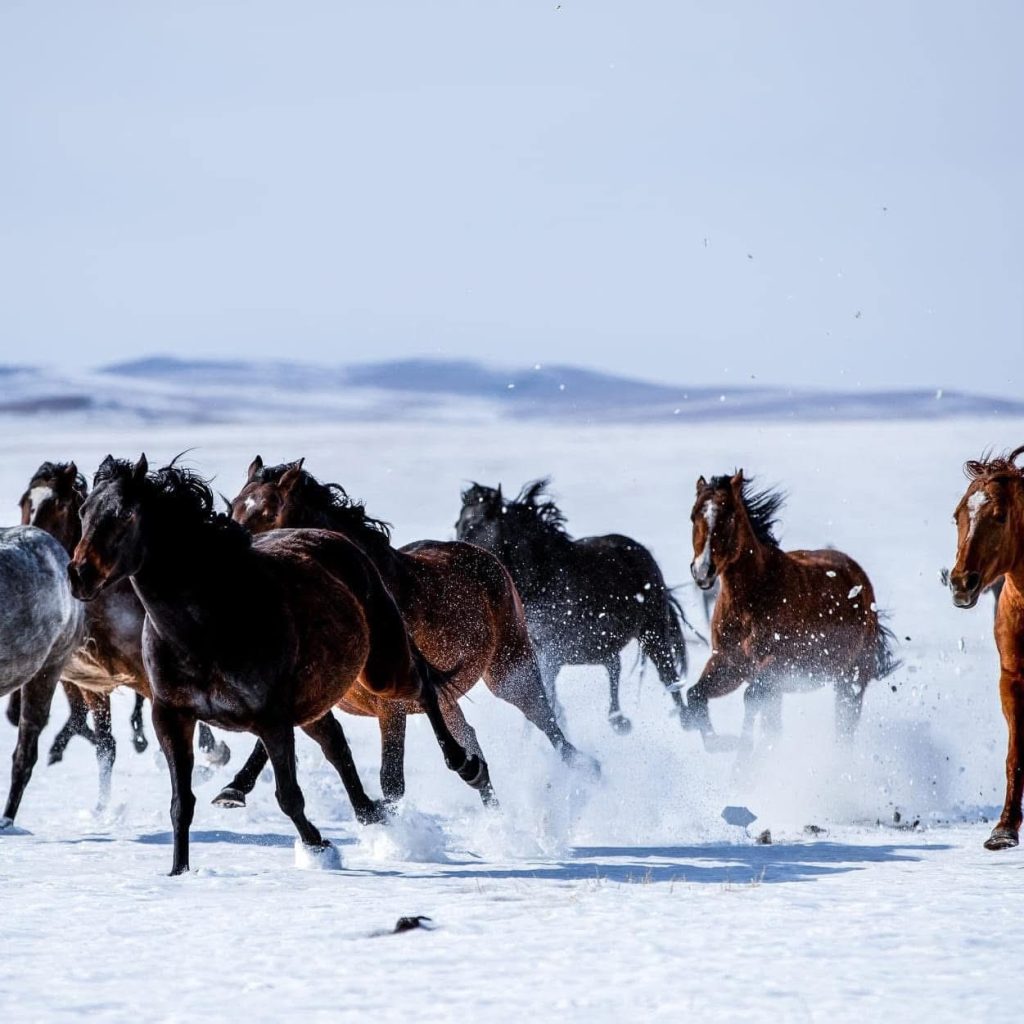
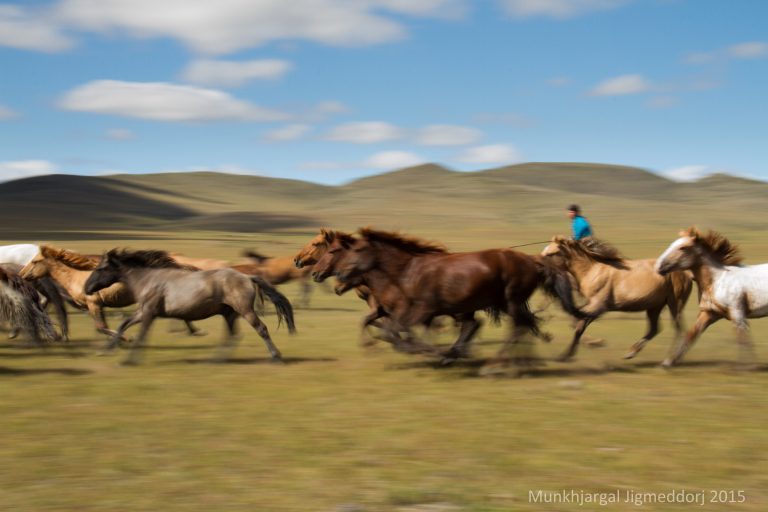
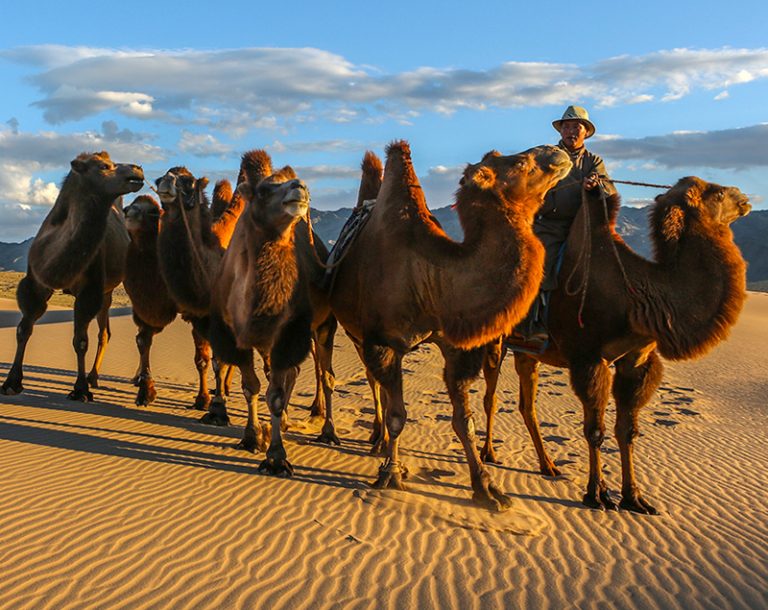
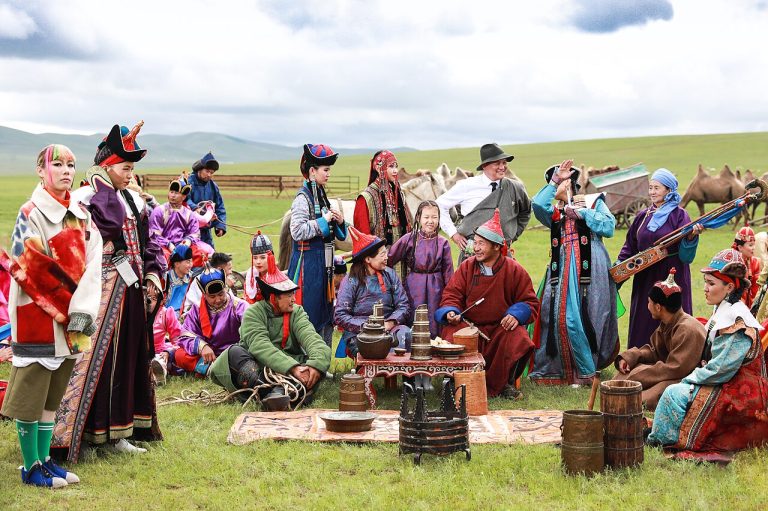
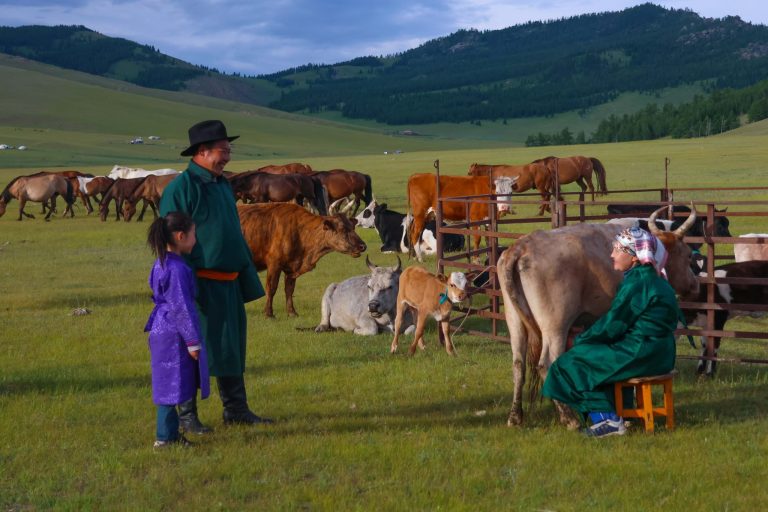
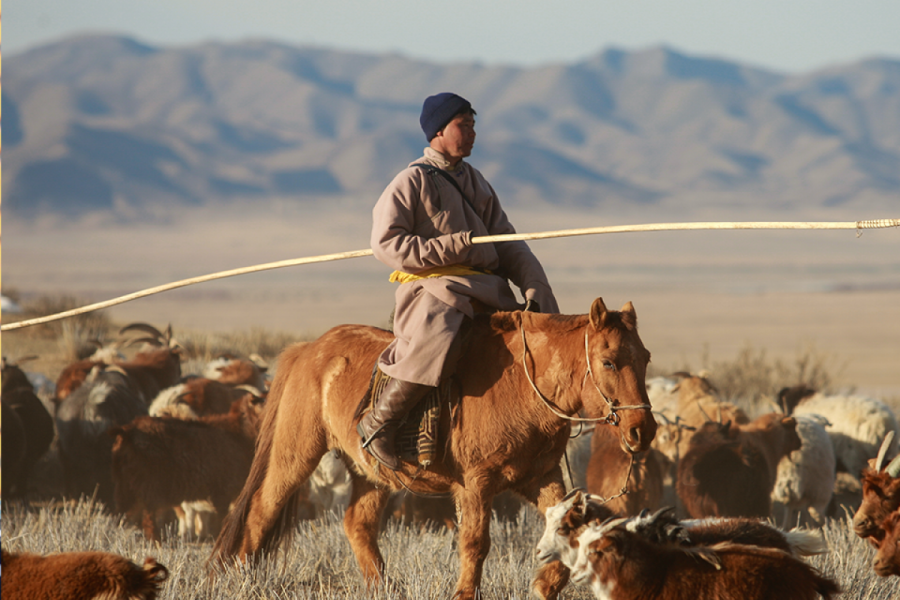
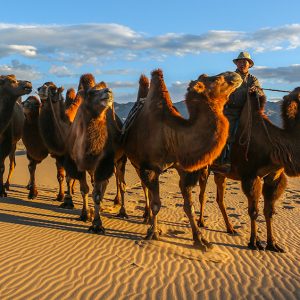
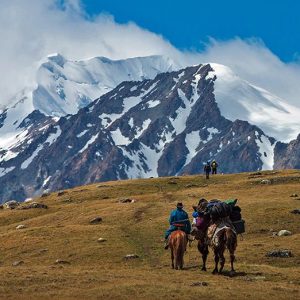
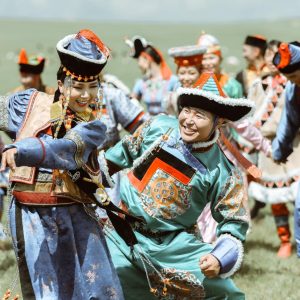
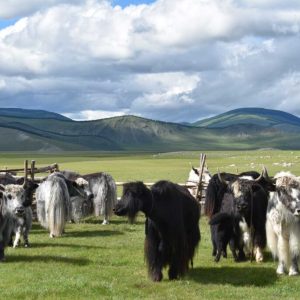
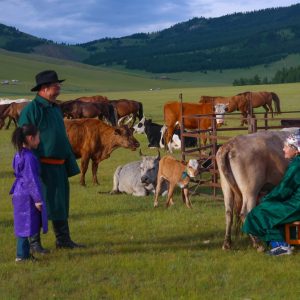
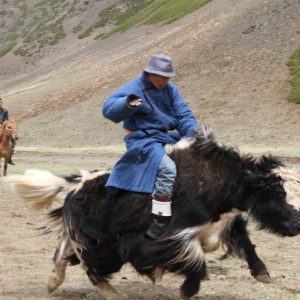
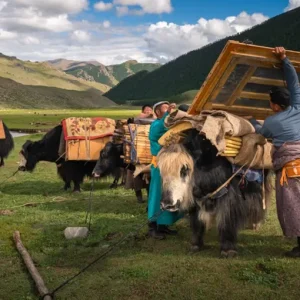
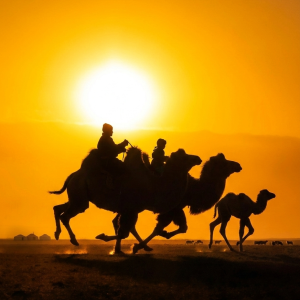
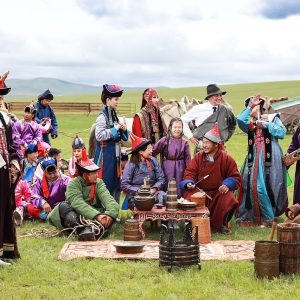
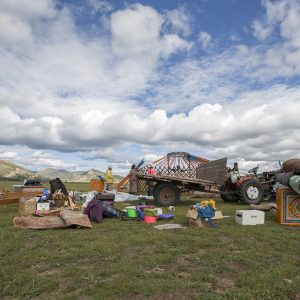
At the heart of this wilderness is one of the world’s last great surviving nomadic cultures. For thousands of years, the Mongolian people have lived in a state of rhythmic motion, moving their homes—the portable, circular gers—with the changing seasons. Their lives are a masterclass in nature-driven adaptation: in the heat of the Gobi, life revolves around the hardy, two-humped Bactrian camel, while in the high mountain pastures, the resilient yak becomes the centerpiece of survival. Every tradition, from the legendary hospitality shown to every stranger to the intricate heritage of the steppe, is a direct response to the environment they call home.
We are ready to take you directly from the dusty trails of the camel breeders to the high-altitude camps of the yak herders. With our expert guides and deep local connections, you will witness firsthand how the Mongolian soul adapts to the land, turning the challenges of nature into a vibrant, soulful, and welcoming way of life.
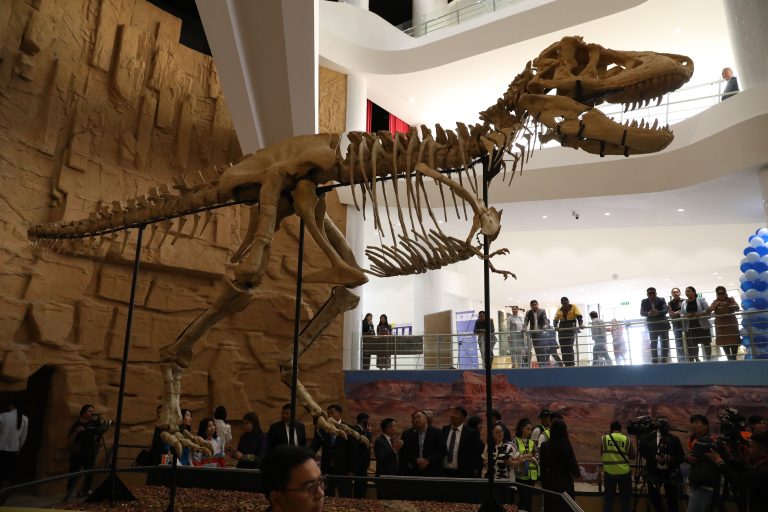
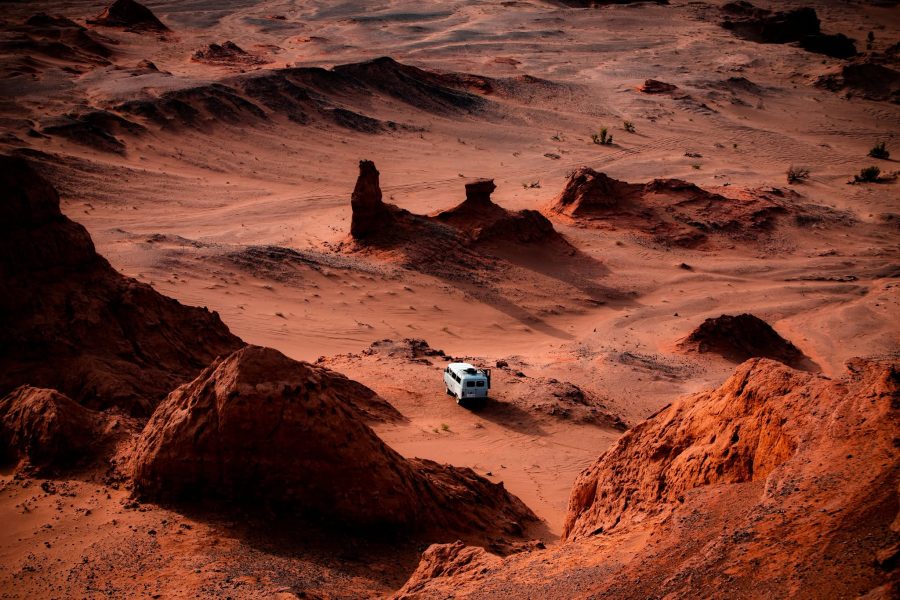
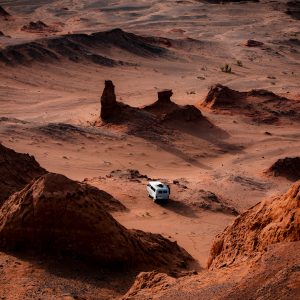
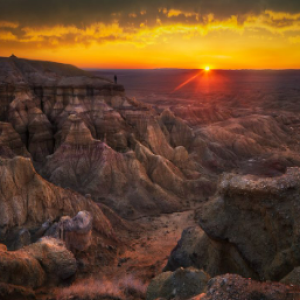
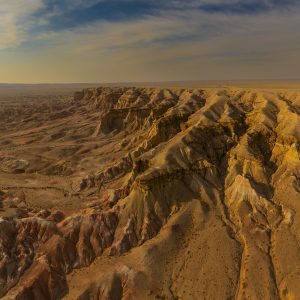
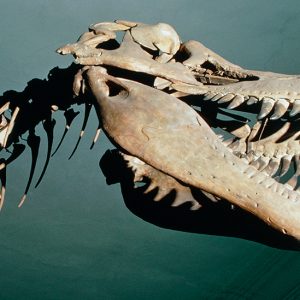
Your odyssey begins by descending into the Gobi Desert, the world’s greatest prehistoric graveyard. At the Flaming Cliffs (Bayanzag), the red sandstone holds the secrets of the Cretaceous period, marking the spot where the first dinosaur eggs in history were discovered. This isn’t just a desert; it is a time capsule where the fossils of the Protoceratops and Velociraptor are still being unearthed from the shifting dust.
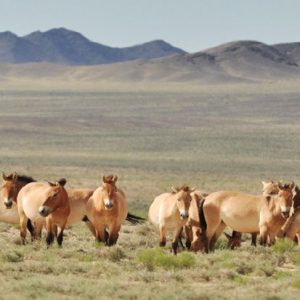
Beyond the dunes lies a mosaic of 33 distinct Gobi types, ranging from the “Eternal Ice” of Yol Valley to the jagged basalt canyons of the “Three Beauties.” This is a sanctuary for the world’s rarest wildlife, including the elusive Mazaalai (Gobi Bear) and the Wild Bactrian Camel. Here, the landscape shifts from golden sands at the Khongor Singing Dunes to lush mountain oases in a single afternoon.
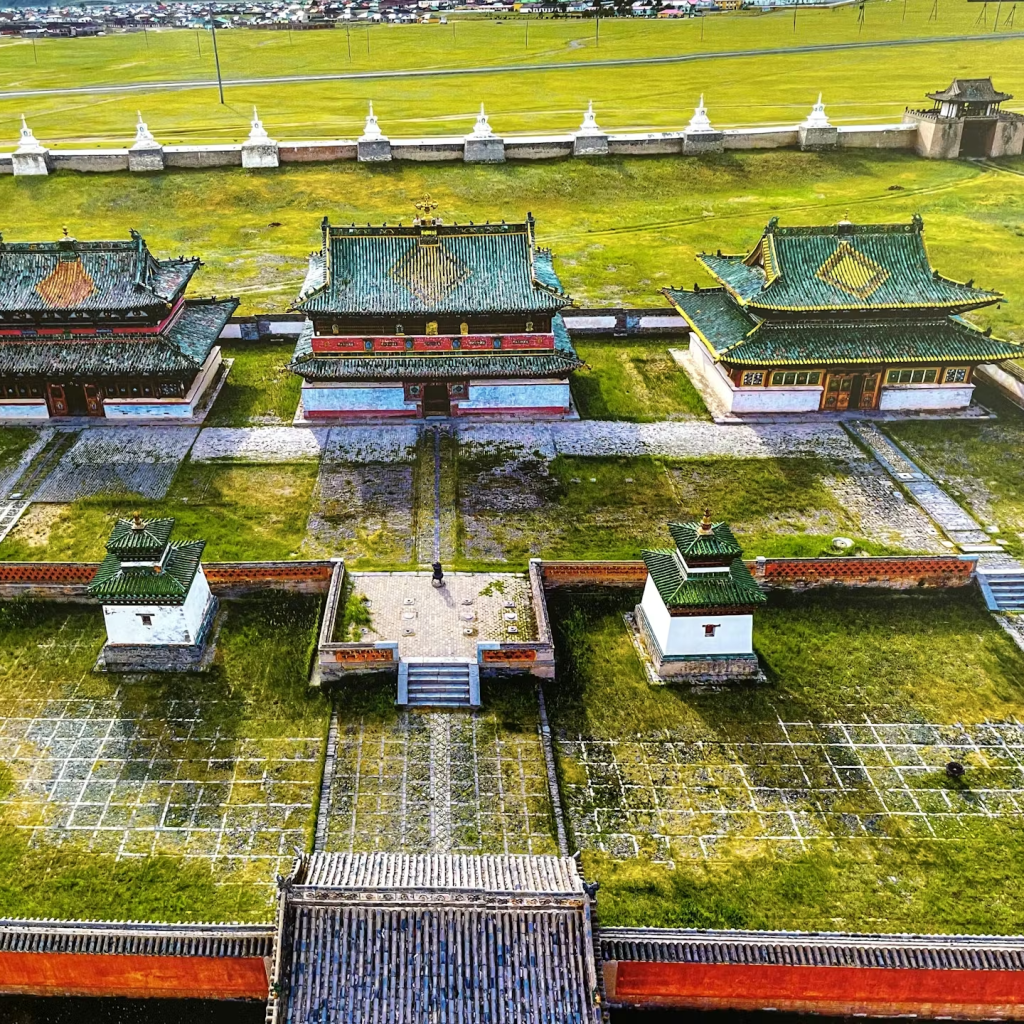
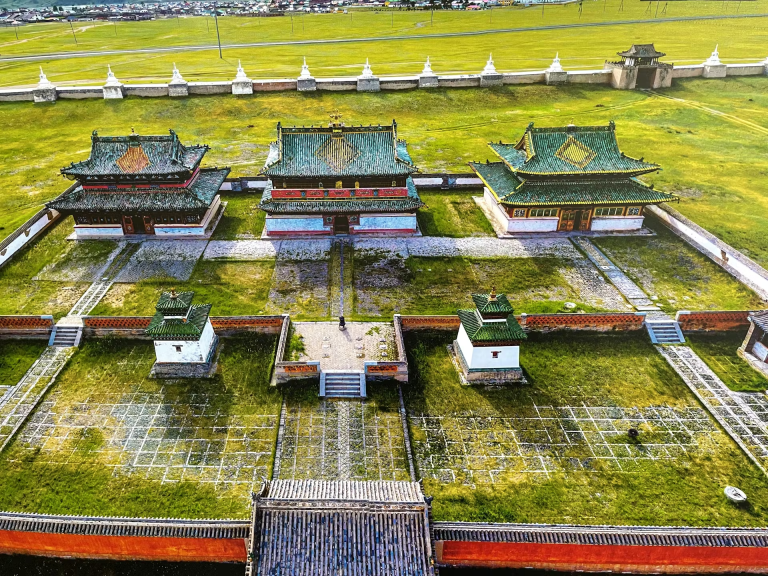
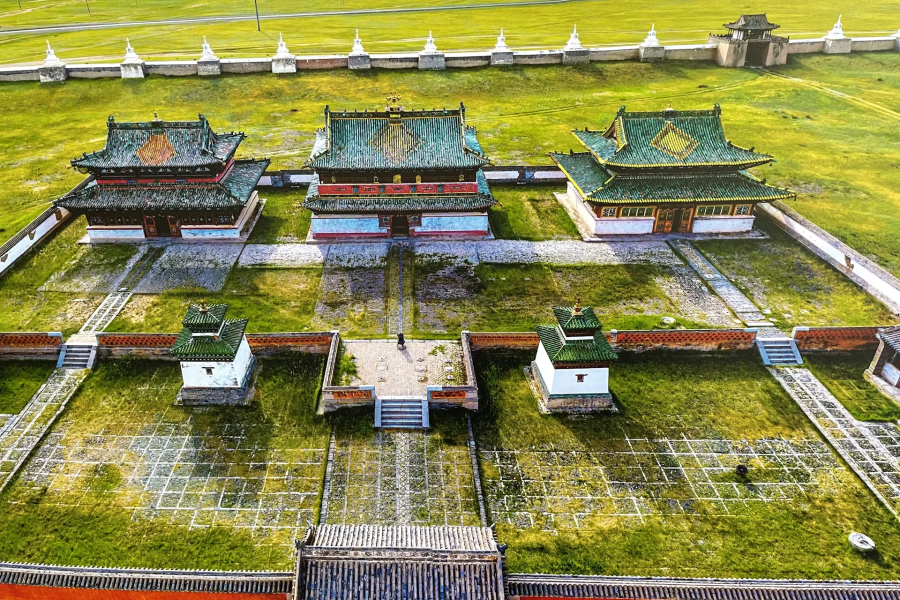
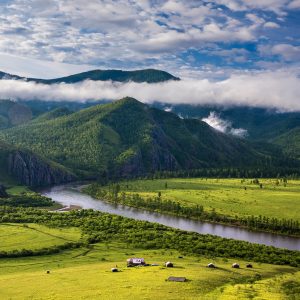
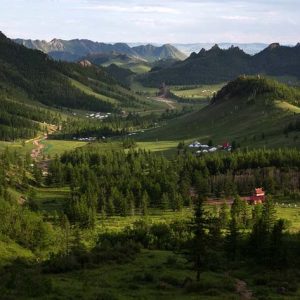
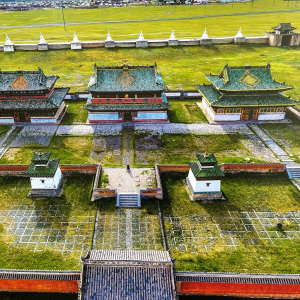
As the expedition turns north, the arid desert softens into the rolling green velvet of the Orkhon Valley Cultural Landscape, a UNESCO World Heritage site. This is the cradle of the Mongol Empire. In Kharkhorin, you will walk through the gates of the Erdene Zuu Monastery, where 108 stupas stand guard over centuries of Buddhist history.
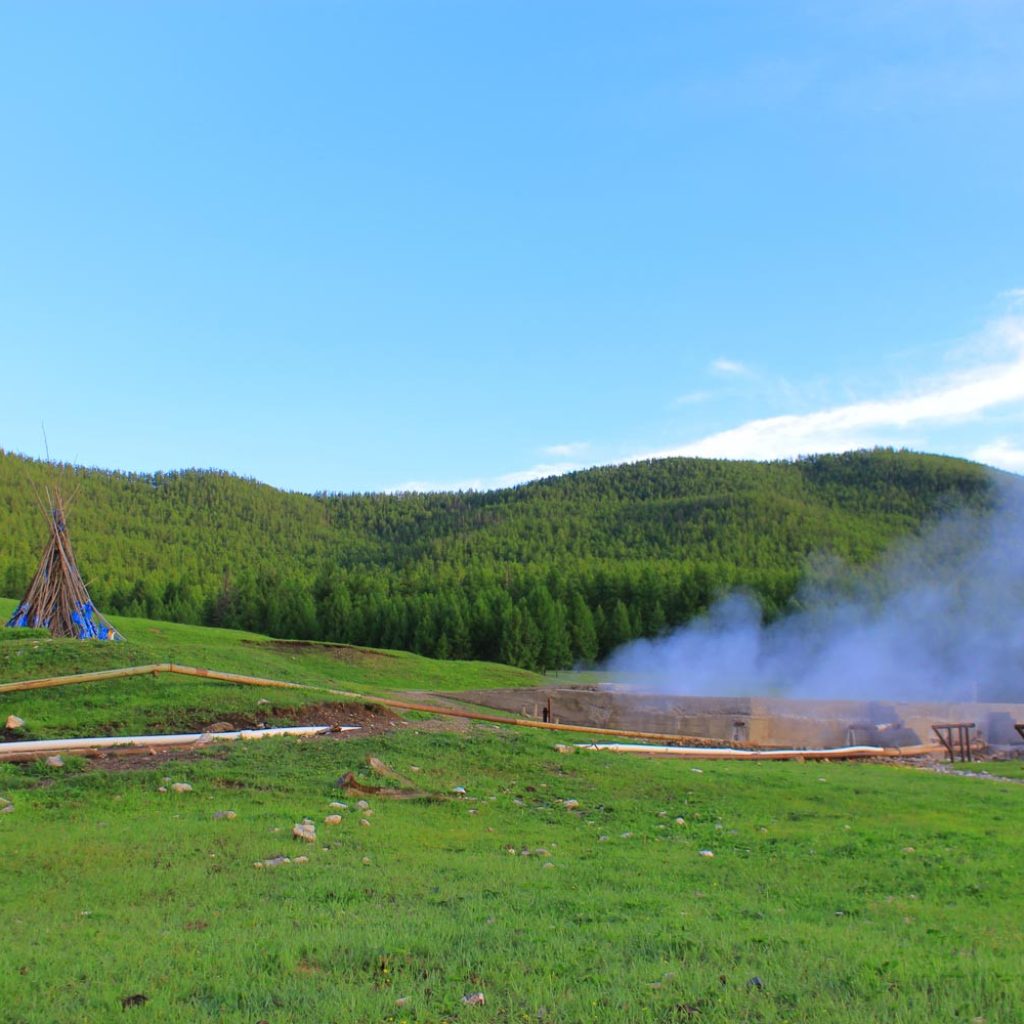
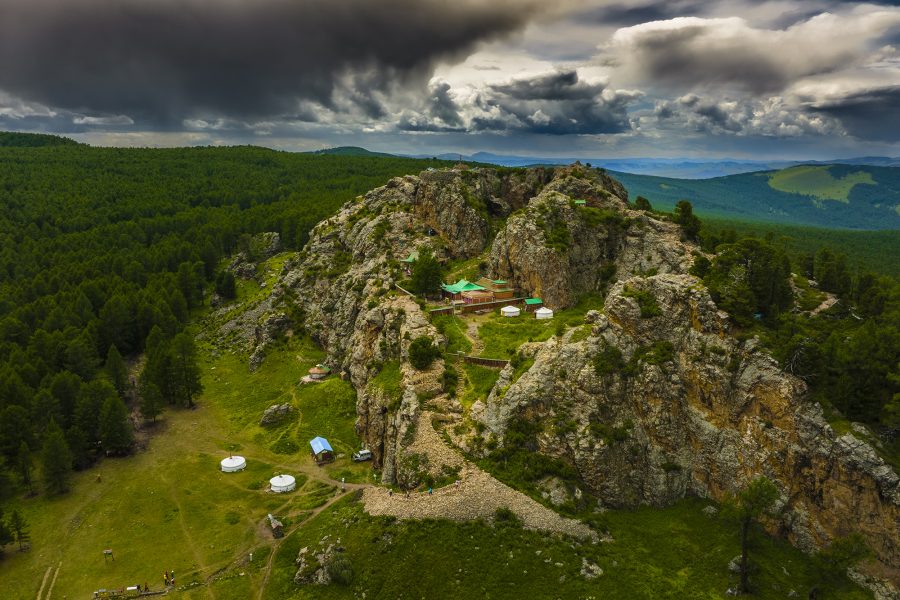
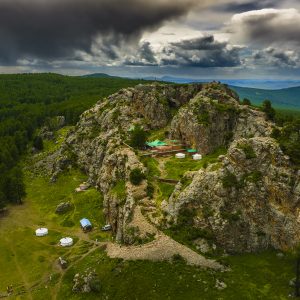
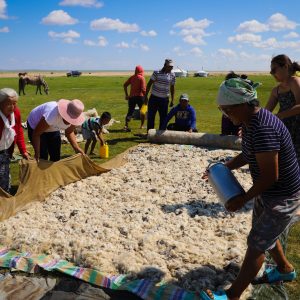
The heartbeat of the Gobi and the Steppe is its people. Despite the extreme climate, nomadic herders have thrived here for millennia, raising the “Five Snouts” of livestock and preserving a culture of radical hospitality. You will find yourself horseback riding to the secluded Tuvkhun Monastery or bathing in the volcanic Tsenkher Hot Springs, experiencing a lifestyle untouched by time, where the ancient rhythms of the steppe remain the true guide to surviving the wild.
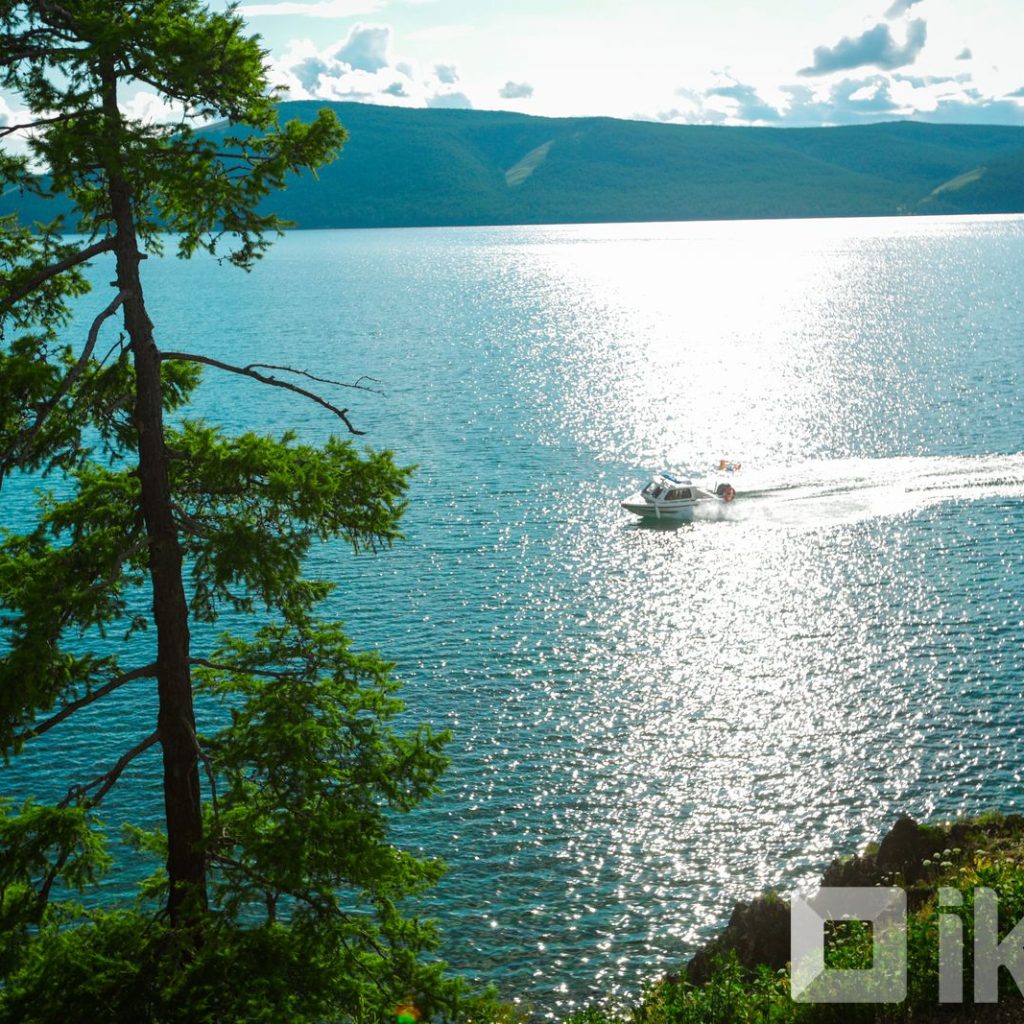
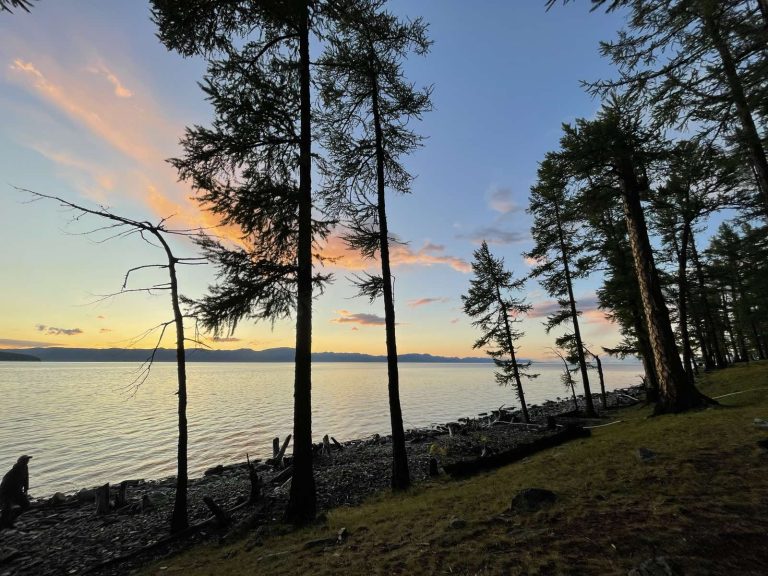
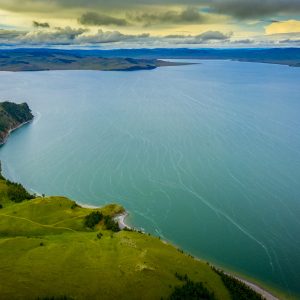
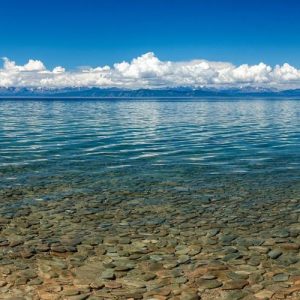
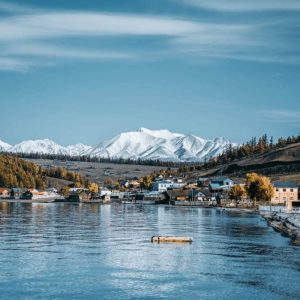
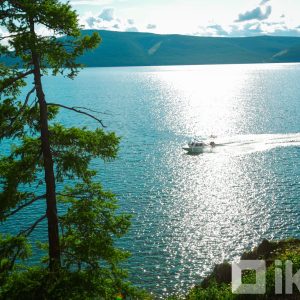
The final act of this 16-day grand tour takes you into the Siberian fringe. Lake Khuvsgul, known as the “younger sister” of Lake Baikal, contains nearly 70% of Mongolia’s fresh water. Surrounded by larch forests and rugged mountains, the lake is a sacred site for the local people.
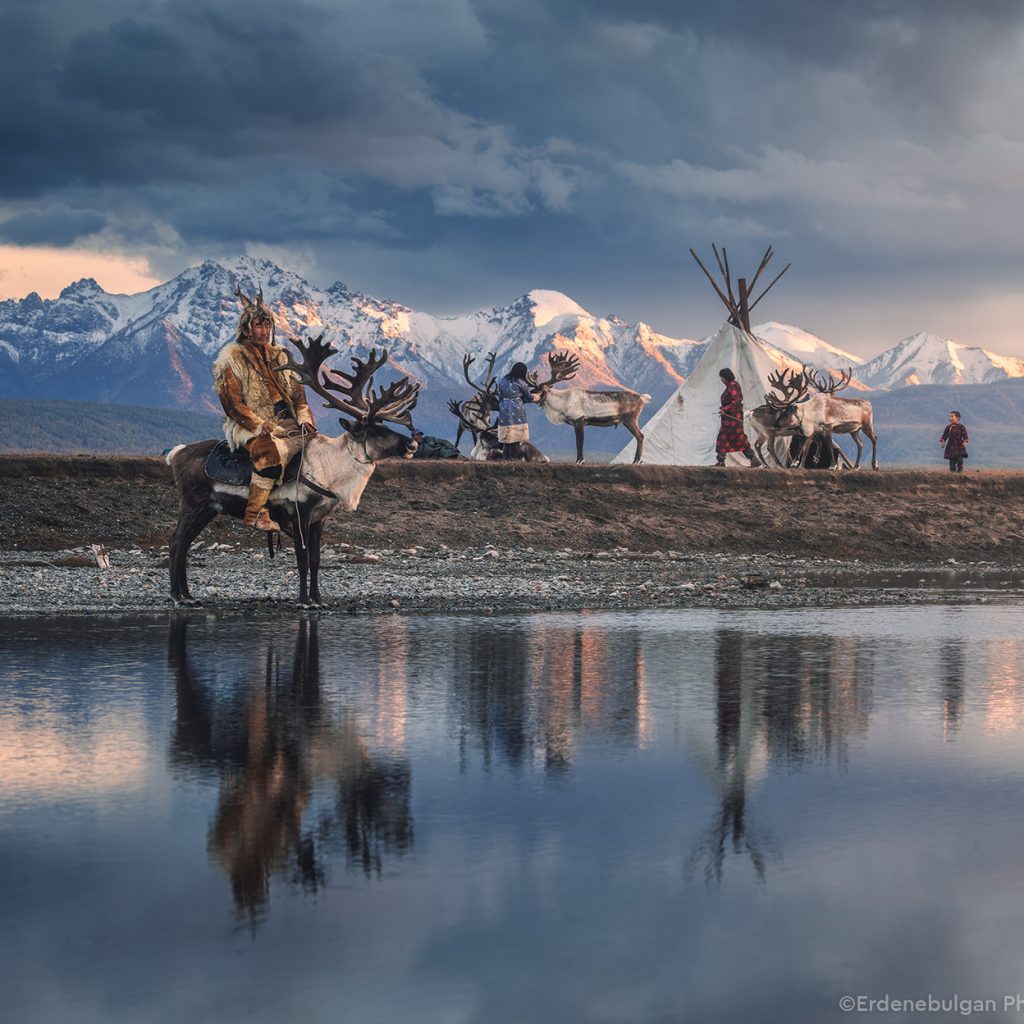
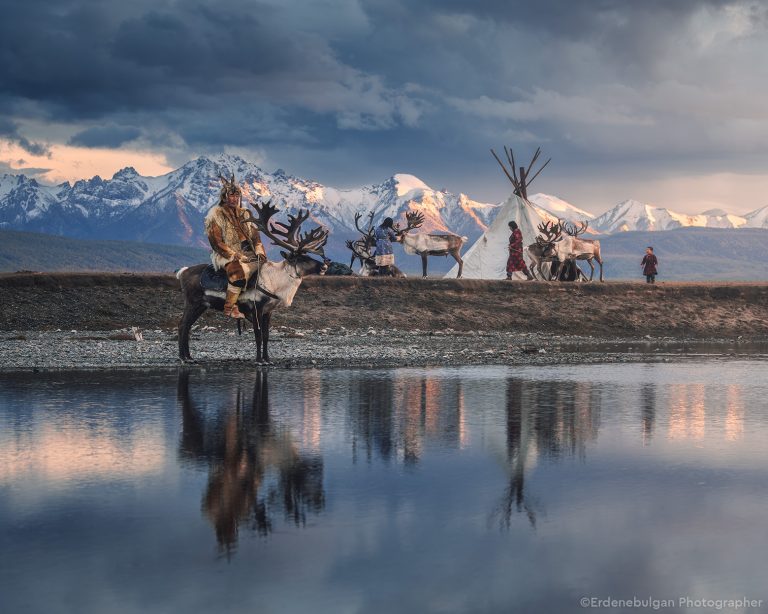
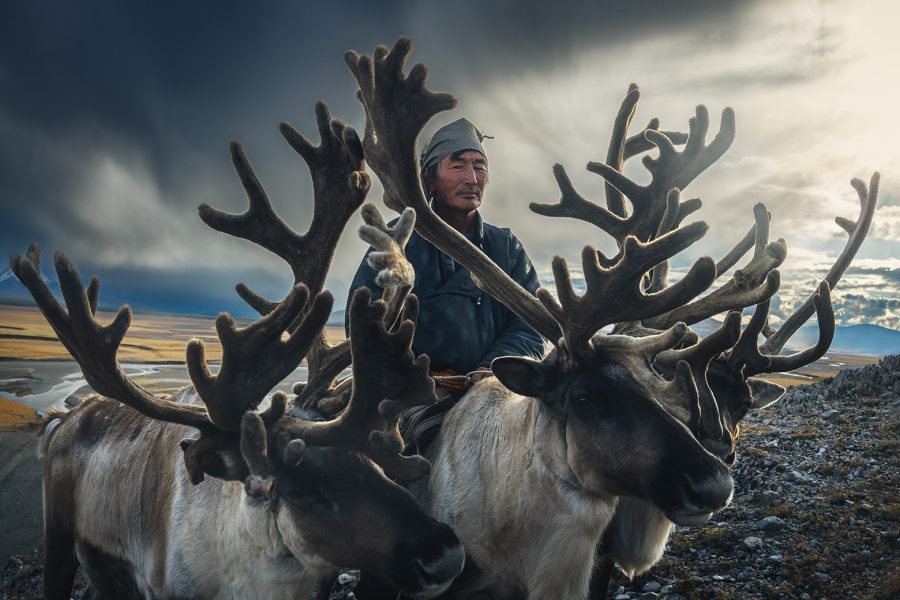
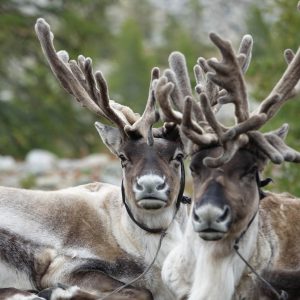
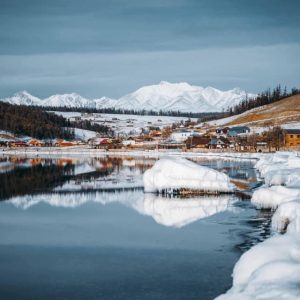
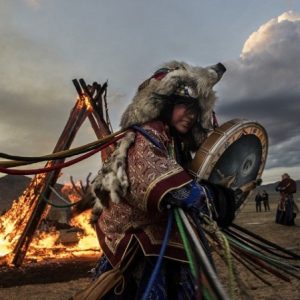
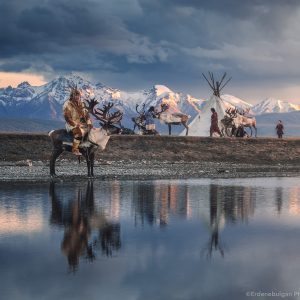
This region offers a rare opportunity to meet the Tsaatan (Reindeer Herders). Living in the remote taiga, the Tsaatan maintain a unique shamanistic culture, relying on their reindeer for transport, milk, and companionship. It is a world away from the heat of the Gobi, proving that Mongolia is a land where you can experience the desert, the steppe, and the arctic-style taiga in a single journey.
Most itineraries force you to choose between the North or the South. The 16-day Grand Mongolia Tour eliminates that compromise. It is designed for those who want to see:
The “Singing Dunes” of the Gobi.
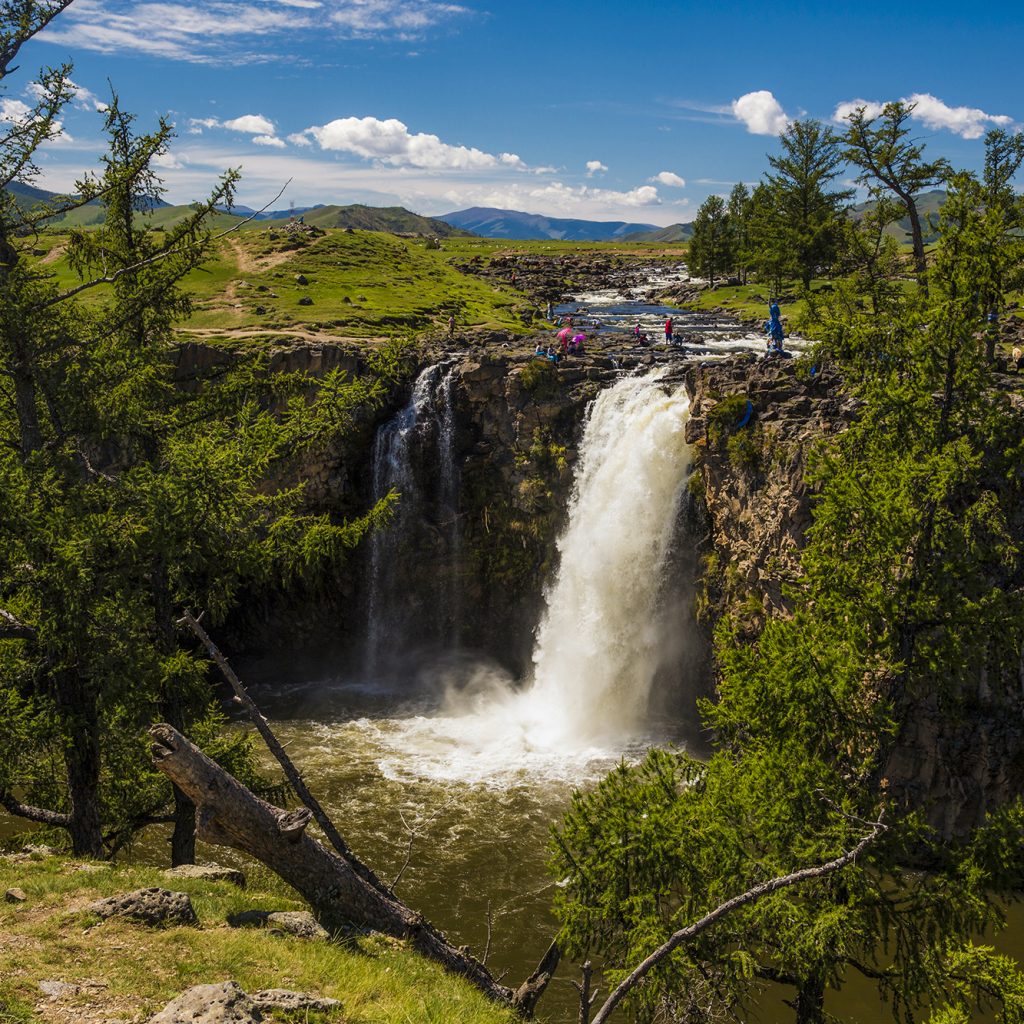
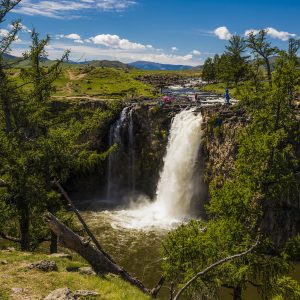
The Orkhon Waterfall, where volcanic rock meets rushing water.
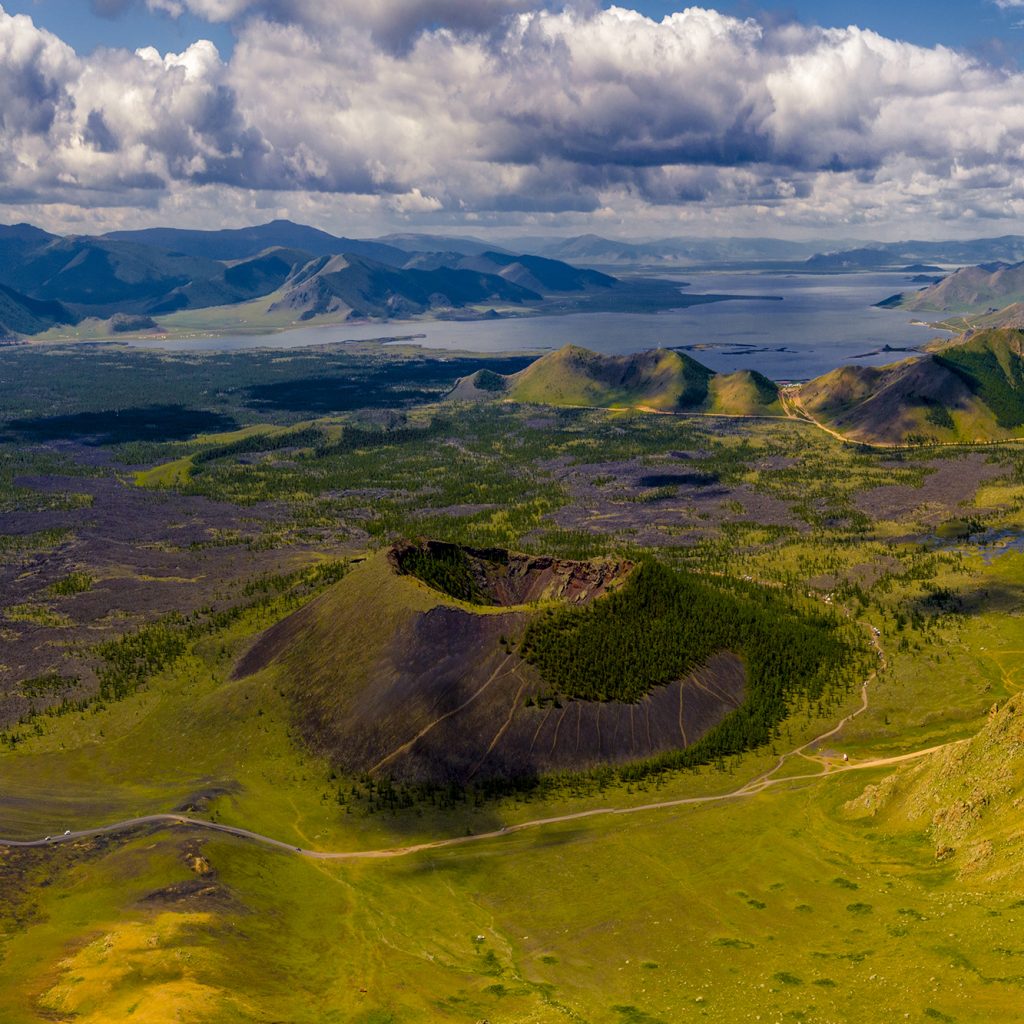
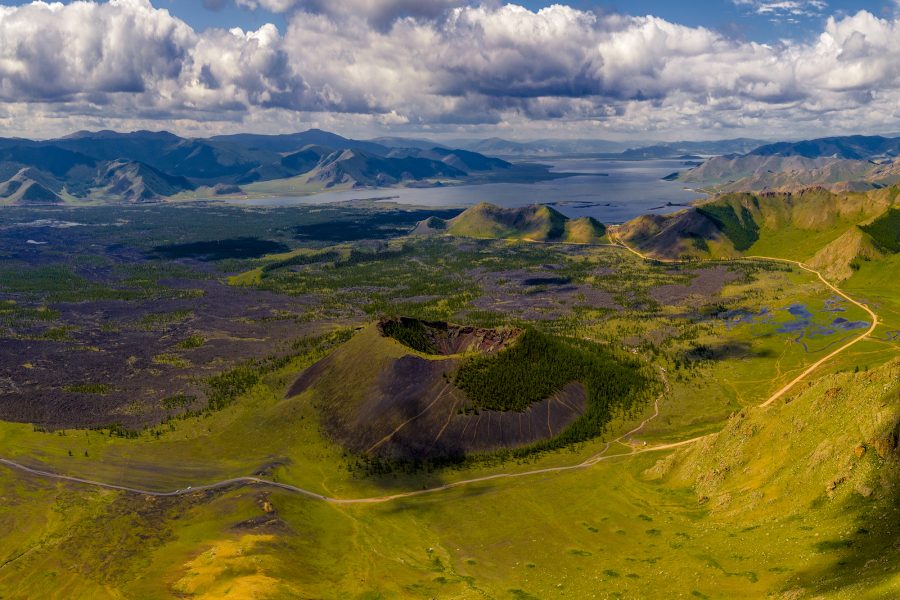
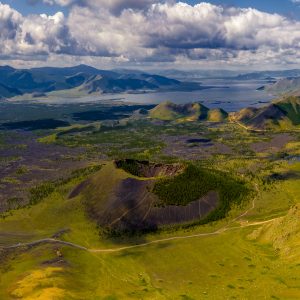
Khorgo Volcano, a dormant giant standing over the “White Lake.”
The Reindeer People, preserving one of the world’s most endangered cultures.
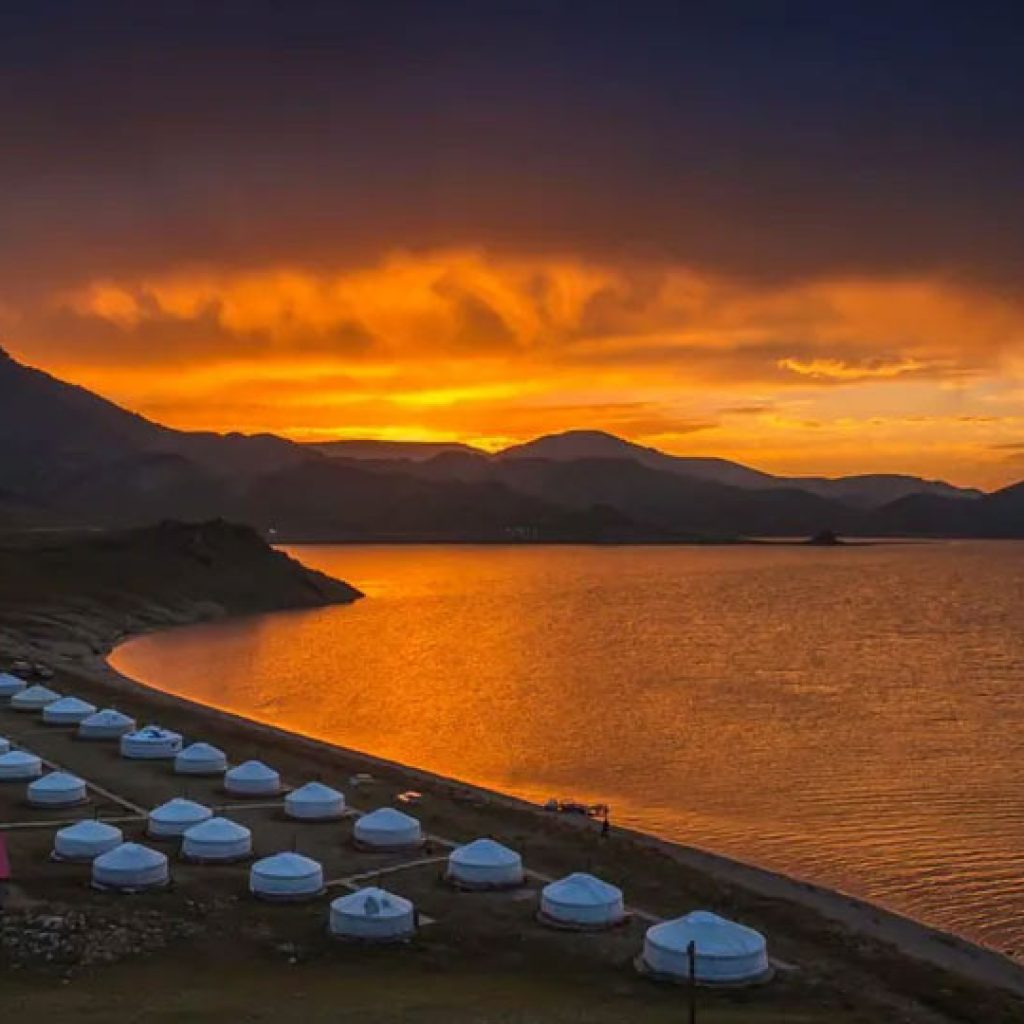
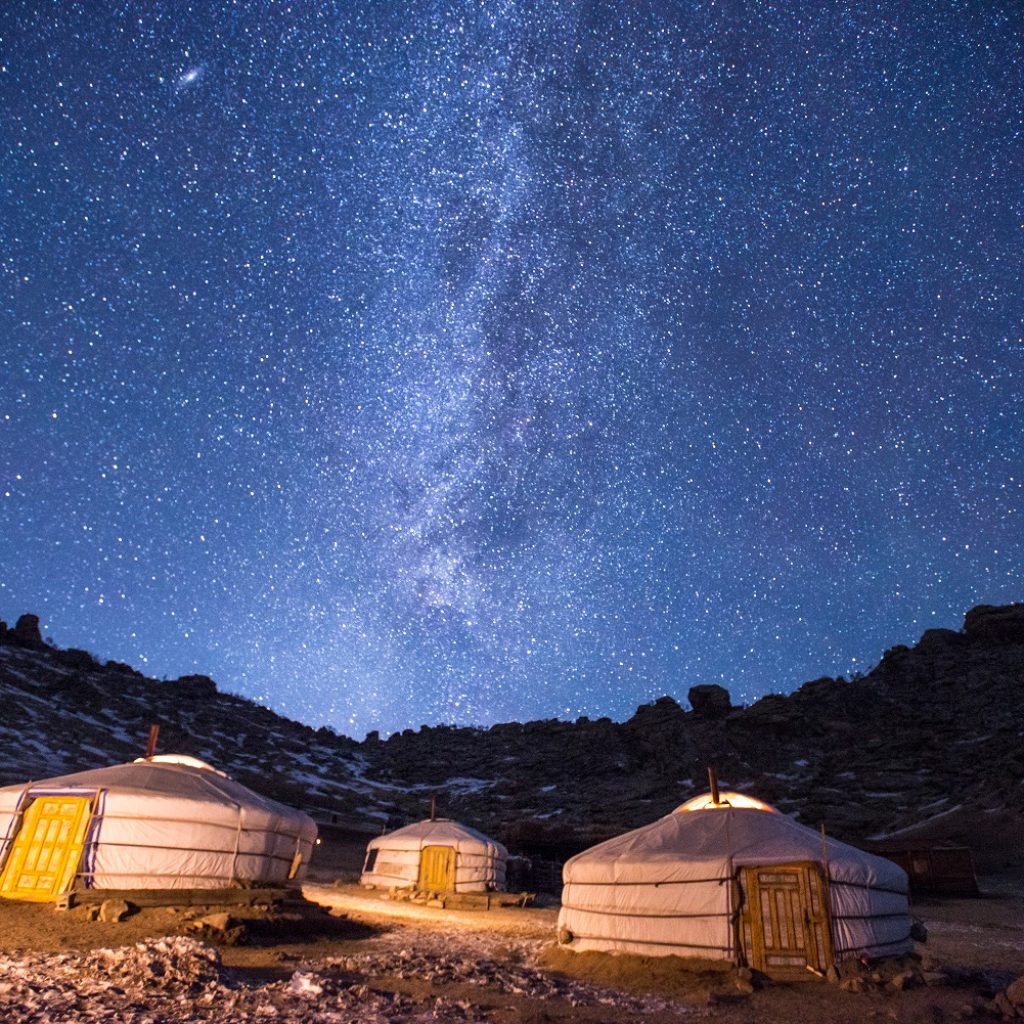
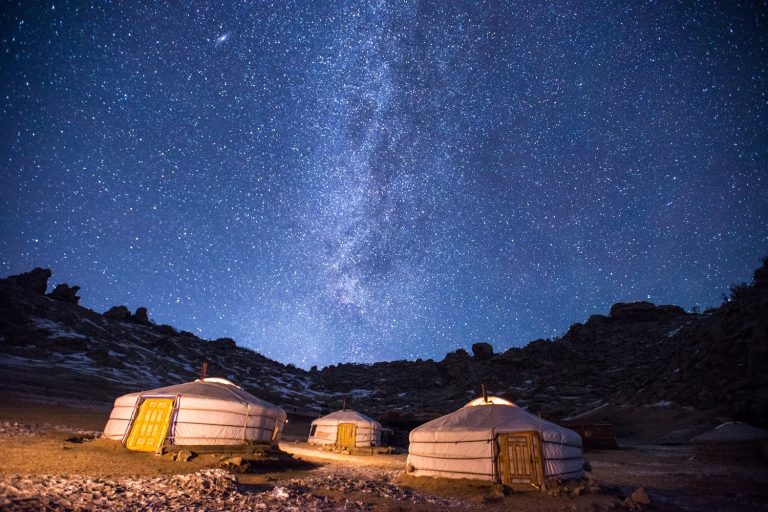
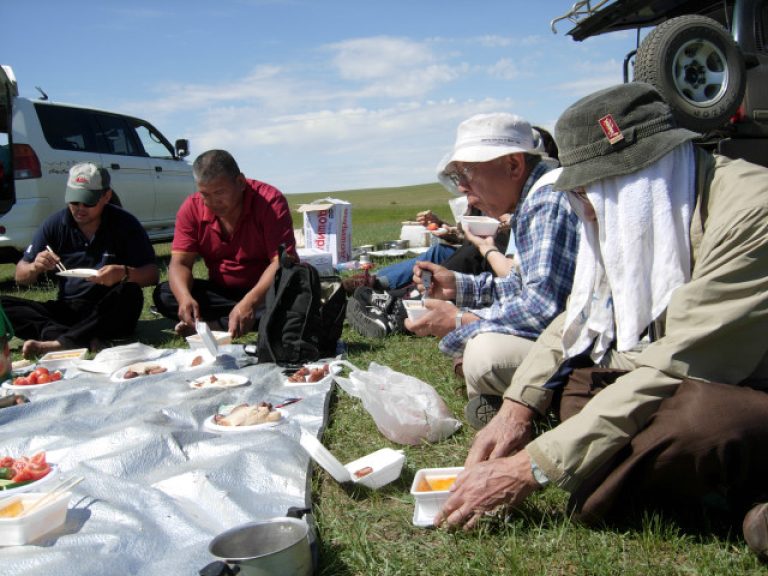
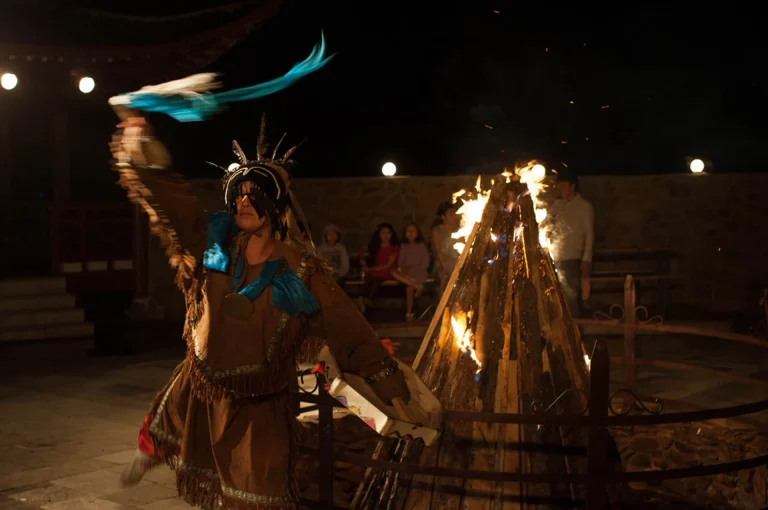
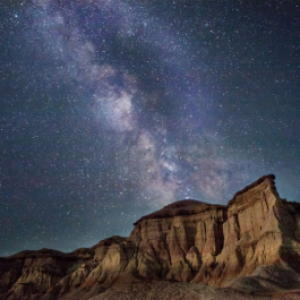
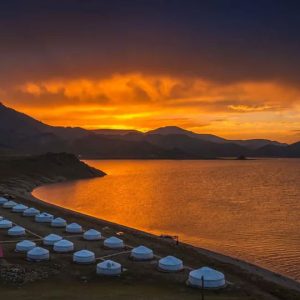
Throughout this 16-day odyssey, your constant companions will be the “Eternal Blue Sky” and the legendary hospitality of your nomadic hosts. You will stay in traditional Gers, eat authentic khuushuur and buuz, and hear the haunting melodies of Khoomei (throat singing) under a sky so clear the Milky Way feels close enough to touch.
Join us for this unforgettable odyssey into the richness of the Mongolian landscape. Space is limited for our small-group departures to ensure an authentic, low-impact experience in this delicate ecosystem. From the red sands of the South to the sapphire waters of the North, let the Grand Tour be your definitive story of the Land of the Blue Sky.











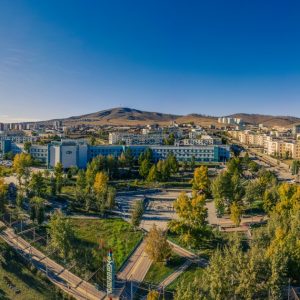
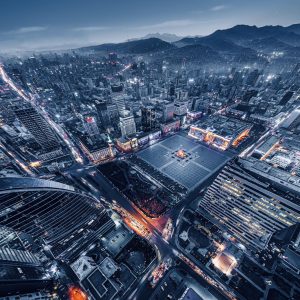
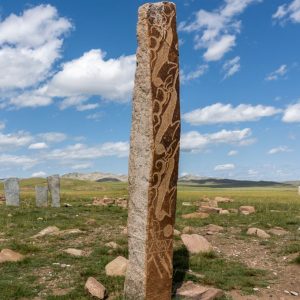
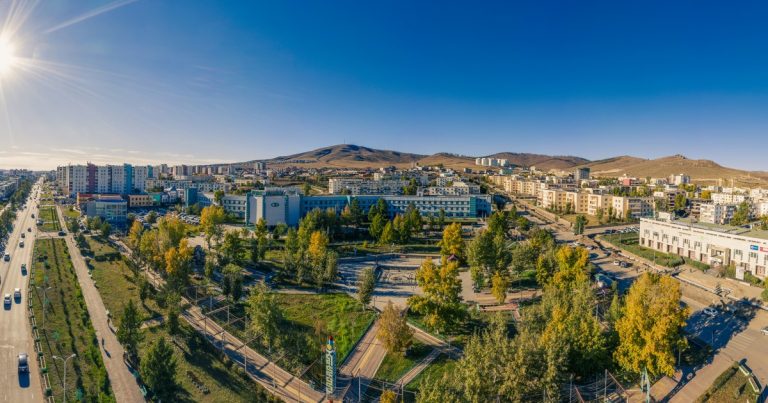
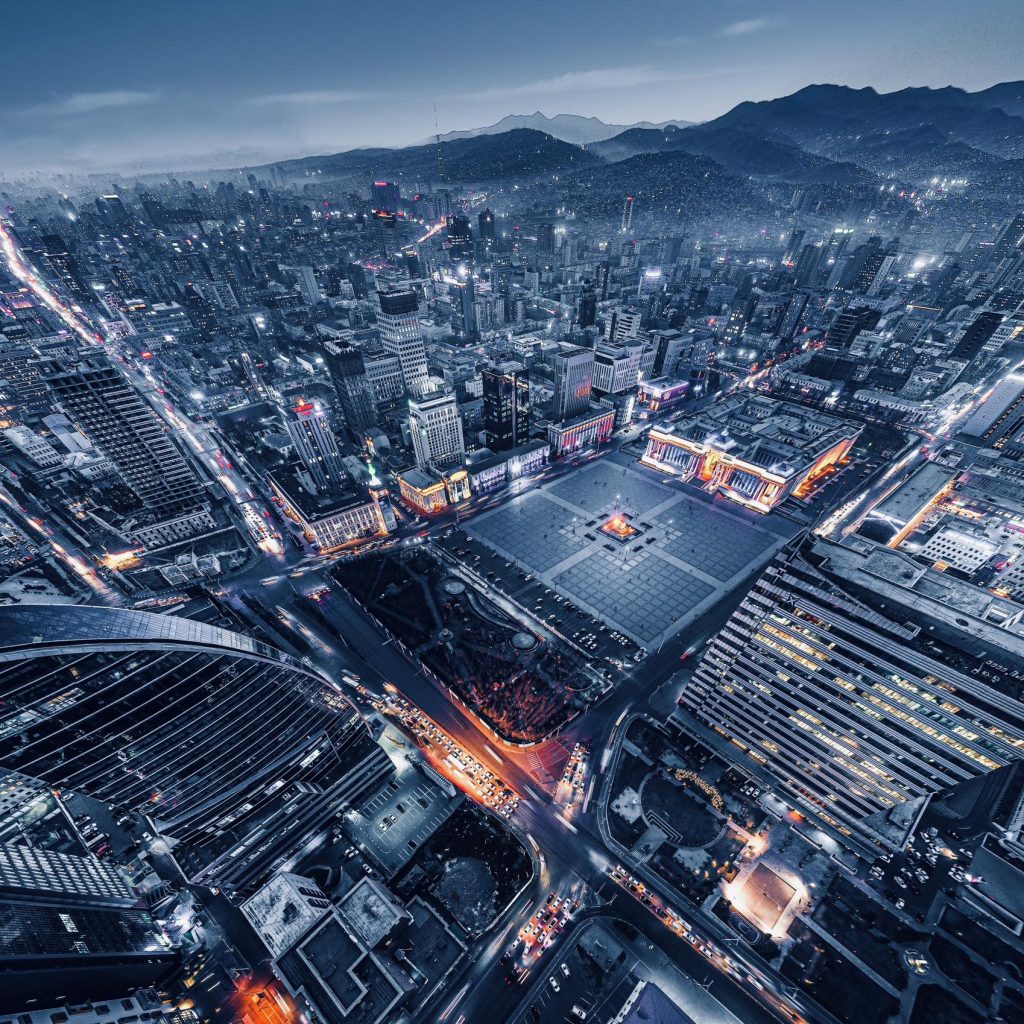
Upon reaching Ulaanbaatar city, complete the immigration and visa on arrival process at the airport. Meet our driver at the airport and board your transfers to reach the pre-booked hotel. Complete the check-in procedure at the hotel and get ready to explore this capital city of Mongolia. Free time for leisure to downtown for enjoying the bustling local life. This bustling area of narrow streets and alleys is home to literally hundreds of small businesses and shopkeepers. It’s a great place to explore with plenty of photo opportunities all around you. Return back to the hotel for an overnight stay.
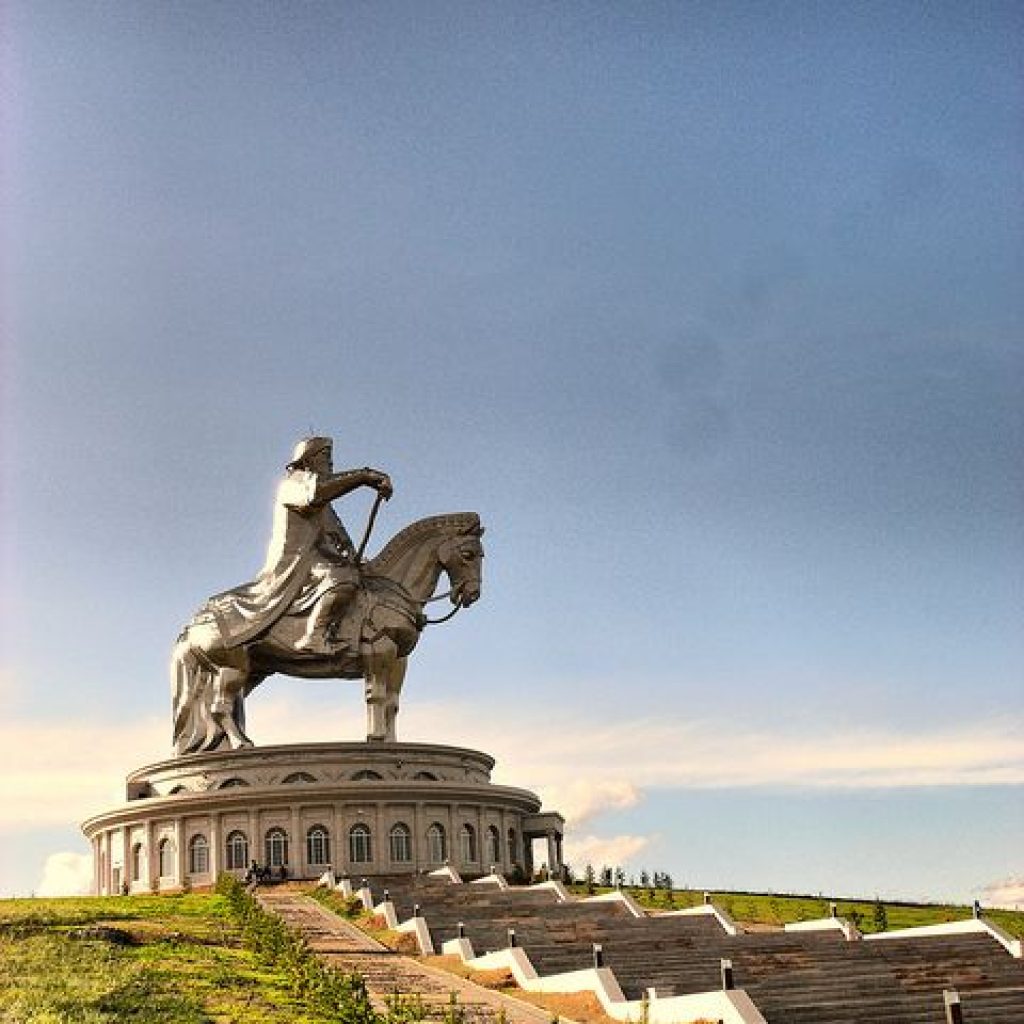
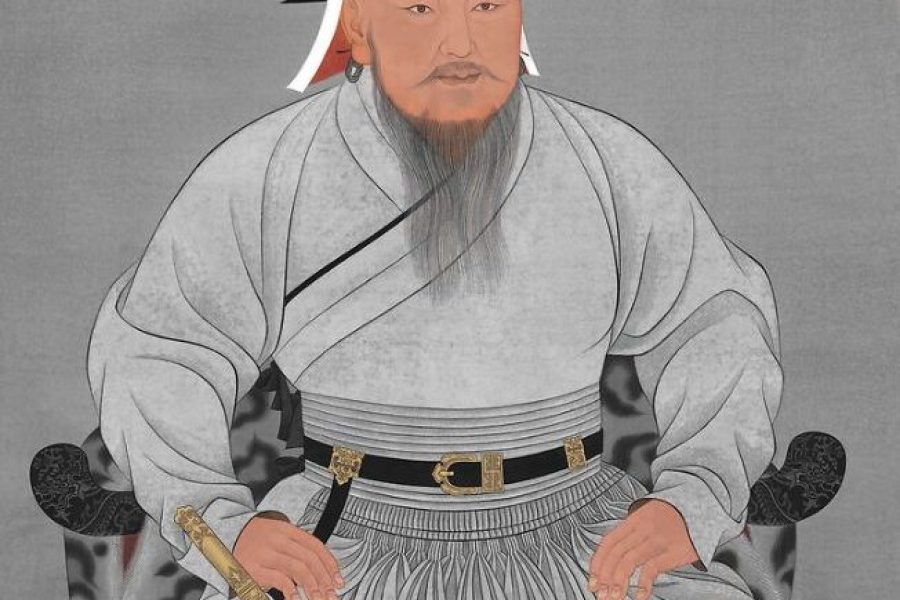
After a hearty breakfast, depart for Terelj National Park. En route, visit the Tsonjin Boldog Complex, home to the world’s largest equestrian statue of Chinggis Khan. Explore the monument and enjoy panoramic views from the observation platform. Continue to Terelj National Park, where you will visit the famous Turtle Rock and enjoy a 30-minute horseback ride to the Ariyabal Meditation Temple, offering beautiful views over the surrounding valleys. Later, check in to a tourist camp located within the park. Dinner and overnight surrounded by pristine nature.
Morning:
Depart for the Gobi Desert after breakfast.
Afternoon:
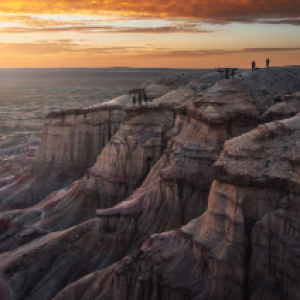
Explore the White Stupa, a 30-meter high “ancient city” of limestone. Wander through the colorful canyons and hunt for marine fossils from a time when the Gobi was an ocean.
Evening:
Arrive at your tourist camp for a traditional dinner and stargazing.
Morning:
The Protected Zone: Enter Gobi Gurvansaikhan National Park, Mongolia’s largest protected wilderness. At the park’s entrance, explore the Local Natural Museum to learn about the rare flora and fauna of these dramatic desert mountains.
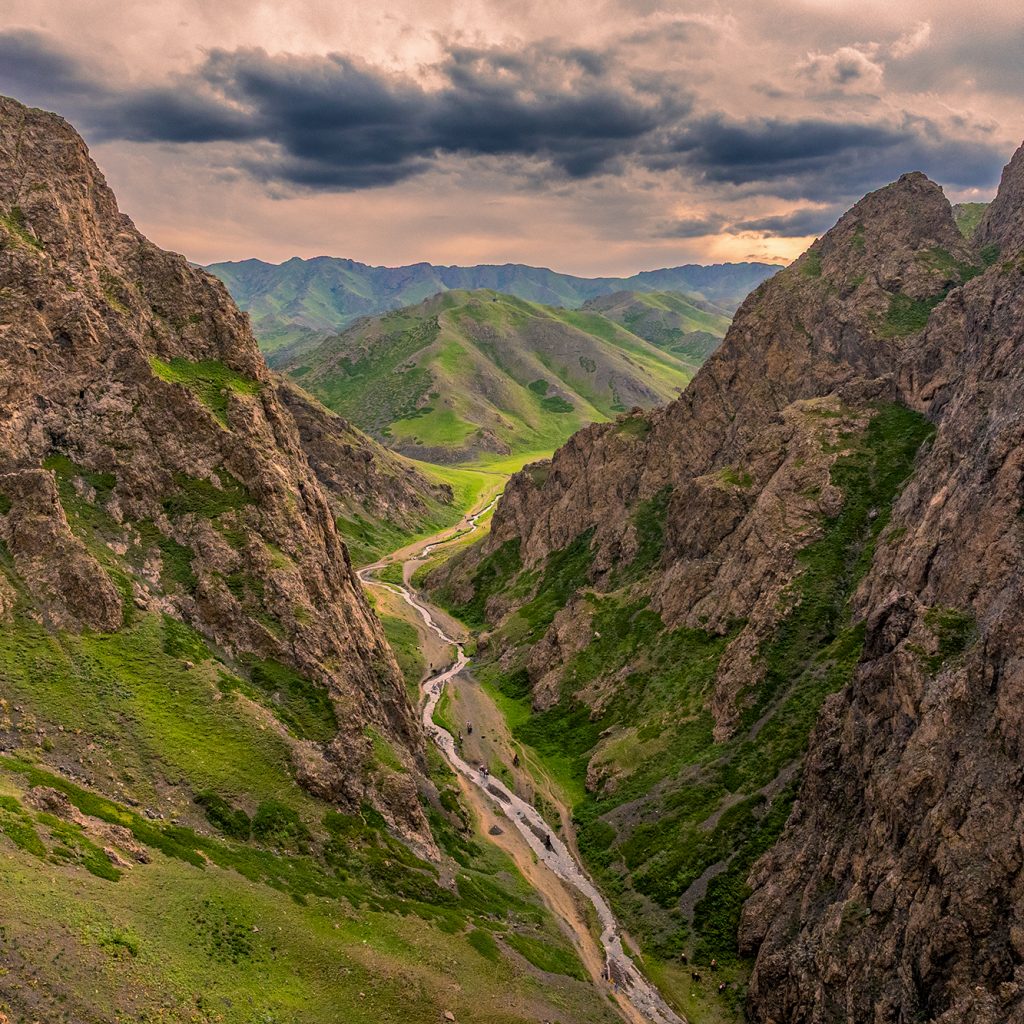
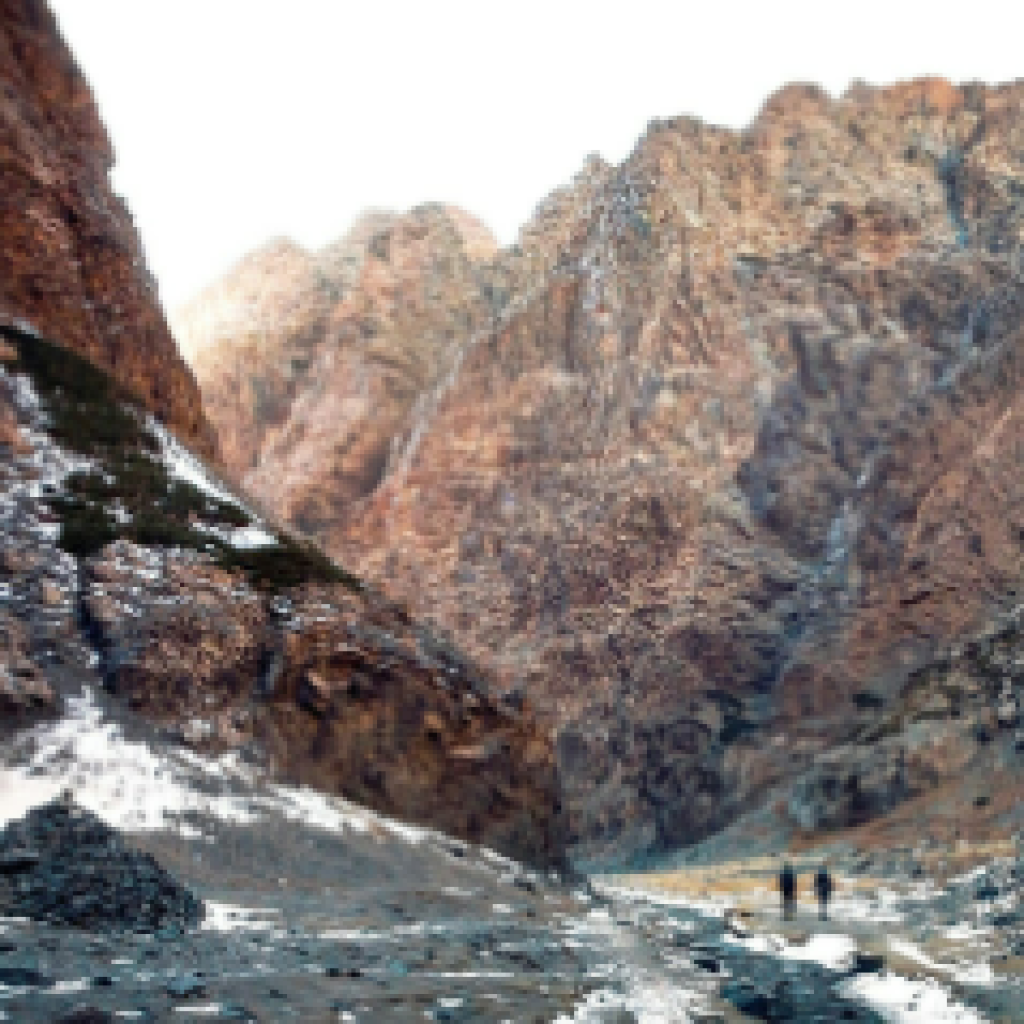
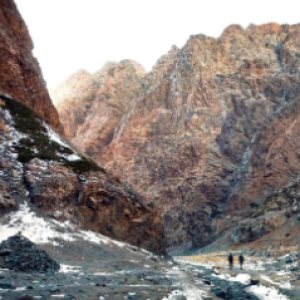
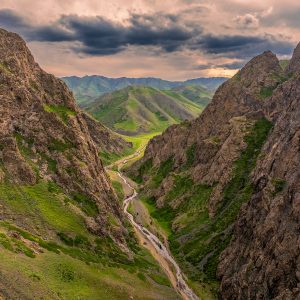
The Icy Canyon. Embark on a scenic horseback trek through the towering 200-meter cliffs of Yol Valley (Valley of the Vultures). Witness the massive contrast of “eternal ice” fields that remain frozen even in the summer heat.
Keep an eye out for ibex, wild sheep, and soaring lammergeier vultures overhead.
Evening:
Settle into your tourist camp for dinner and a night under the desert stars.
Morning:
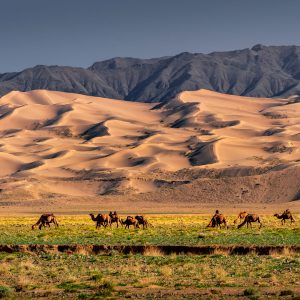
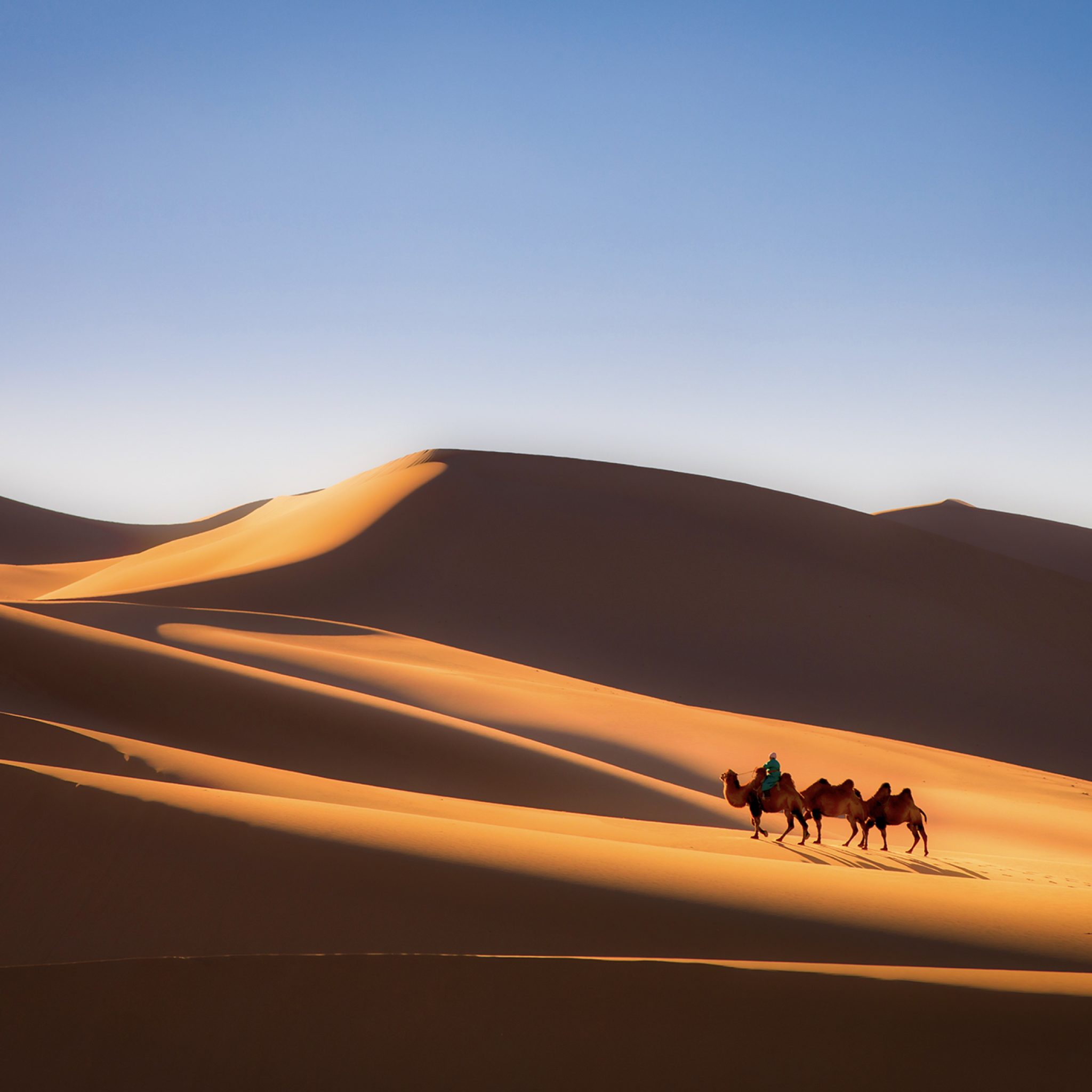
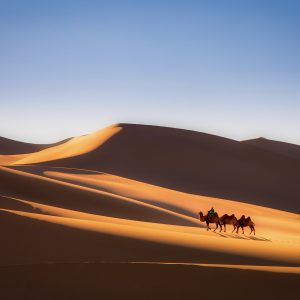
Journey to the Dunes. Drive through the vast, open desert plains toward Khongoryn Els, known as the “Singing Sands.” These are Mongolia’s largest and most spectacular sand dunes, stretching over 180 kilometers.
Afternoon:
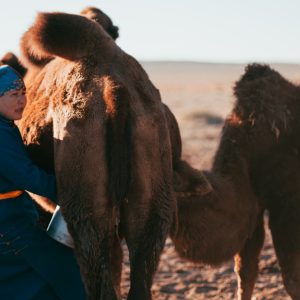
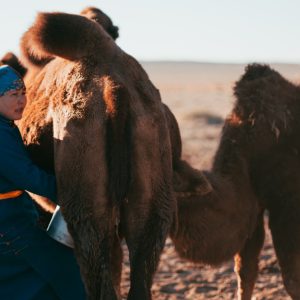
The Camel Trek. Experience the ultimate Gobi icon—the Bactrian (two-humped) camel. Enjoy a guided trek along the base of the dunes and near the green oasis of the Khongor River, where the desert meets life-giving water.
The Sunset Climb: For the adventurous, hike to the top of the “Singing Dunes” (up to 300 meters high). As the sand shifts under your feet, listen for the deep, melodic hum that gives the dunes their name, and witness a breathtaking Gobi sunset from the summit.
Evening:
Arrive at your tourist camp near the dunes for dinner and a night under the desert’s most brilliant stars
Morning:
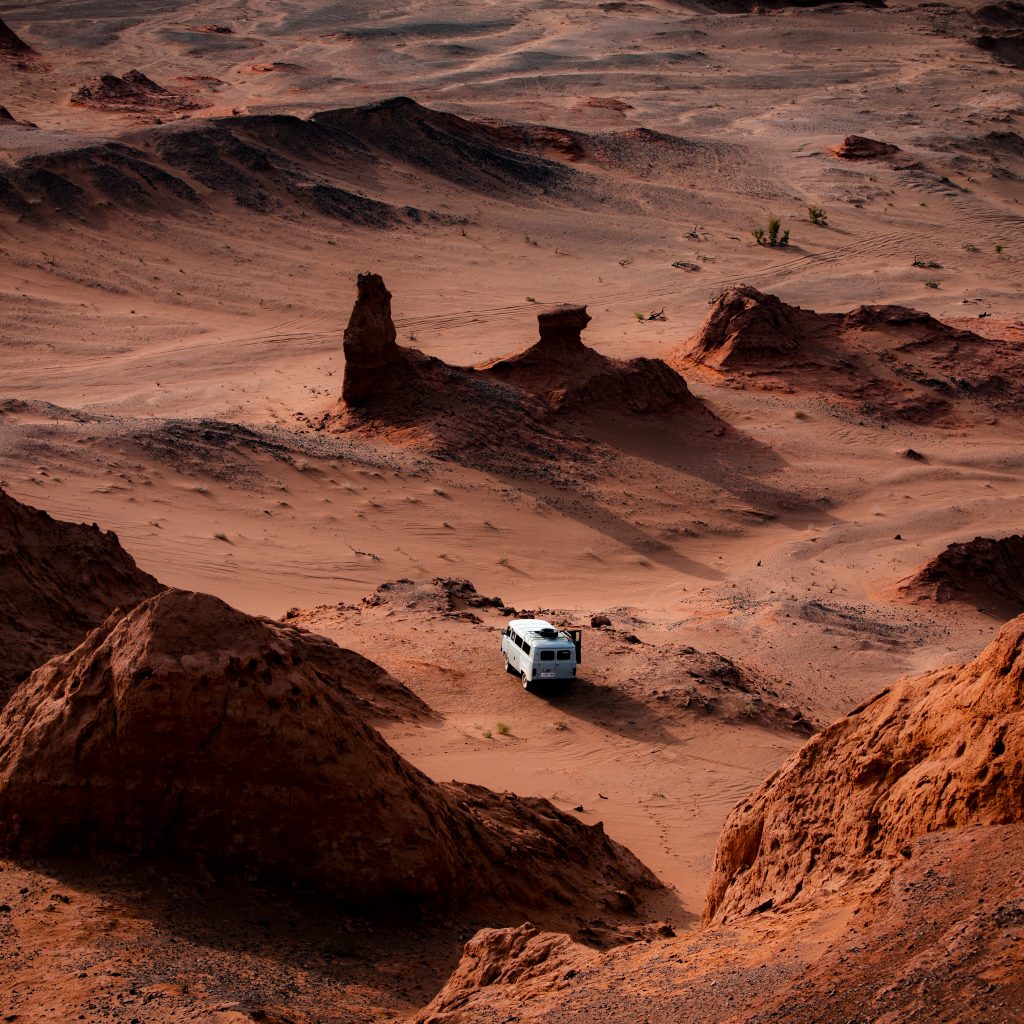
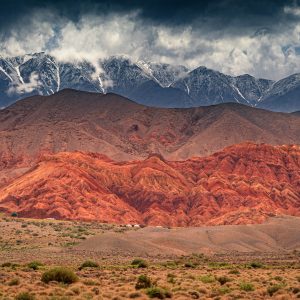
The Red Canyons. Explore Bayanzag, the legendary “Flaming Cliffs.” Walk the red sandstone ground where the world’s first dinosaur eggs were discovered and see the prehistoric layers glow in the morning light.
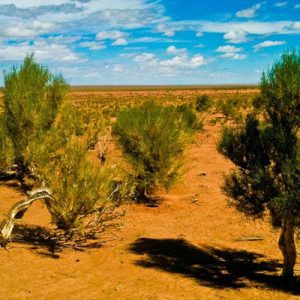
The Saxaul Forest: Visit the ancient Saxaul trees, a rare and hardy forest that thrives in the desert’s harshest conditions, holding the sands of the Gobi in place.
Afternoon:
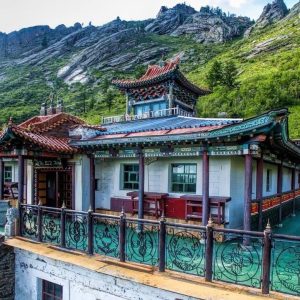
continue to the historic Ongi Monastery, once one of Mongolia’s largest and most important Buddhist centers. Explore the restored temples and ruins along the scenic Ongi River, gaining insight into Mongolia’s spiritual heritage and revival of Buddhism. Dinner and overnight near the monastery.
Morning:
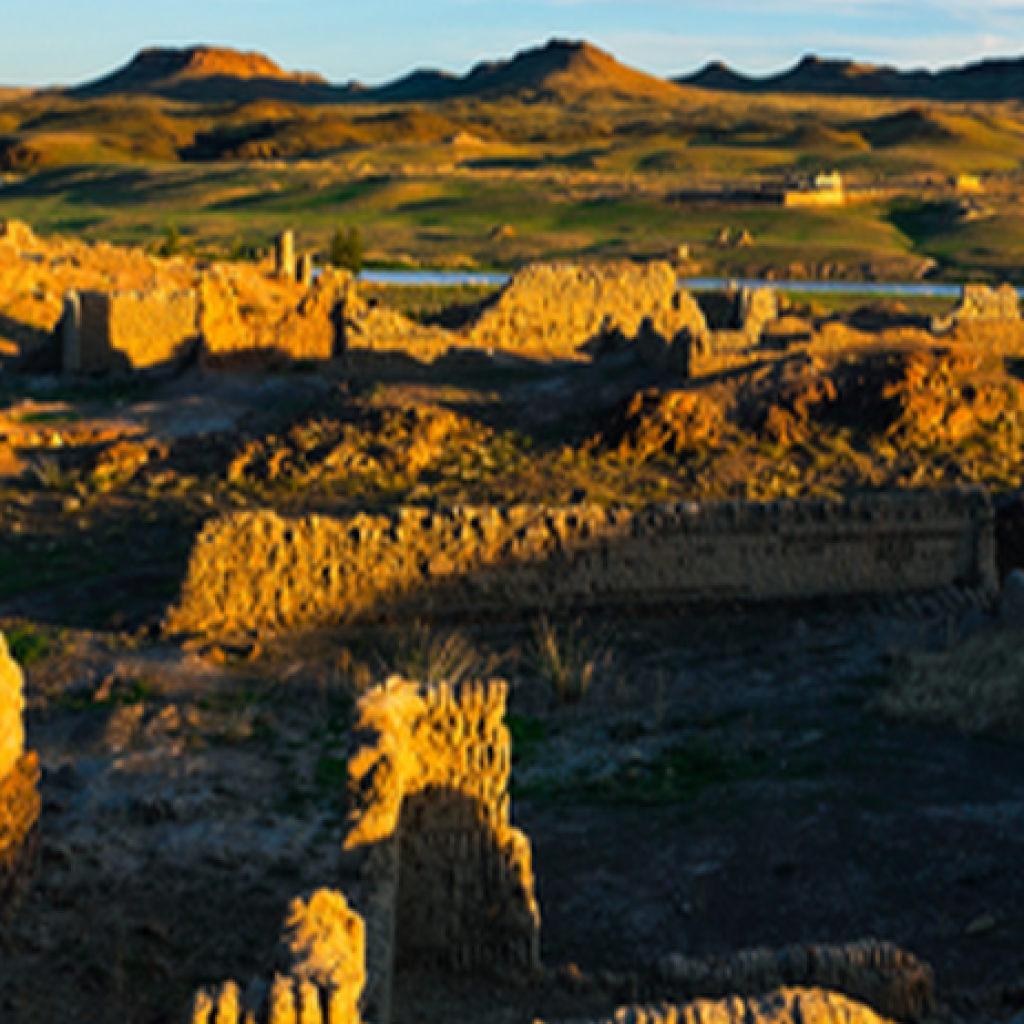
Journey to Khar Khorin, the 13th-century capital of the Great Mongol Empire. Explore the ruins of this legendary city that once served as the crossroads of the Silk Road and the heart of the world’s largest land empire.
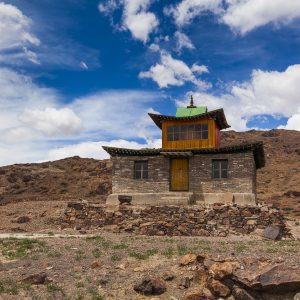
The Golden Monastery: Visit Erdene Zuu, the oldest surviving Buddhist monastery in Mongolia. Walk within its massive 108-stupa walls and explore active temples built from the stones of the ancient capital. Spin the prayer wheels and witness the living heritage of Mongolian Buddhism.
Morning:
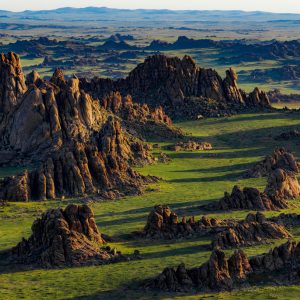
Into the UNESCO Heritage Heart. Head North into the Orkhon Valley, the “cradle of nomadic civilization.” Watch the landscape transform into a lush tapestry of green meadows and volcanic rock—the perfect habitat for Mongolia’s mountain giants: the yaks.
The Giant Waterfall: Arrive at Ulaan Tsutgalan (Orkhon Waterfall). This spectacular 20-meter cascade was formed by ancient lava flows. Take a walk along the basalt canyon floor where the air is cool and the scenery is purely alpine.
Afternoon:
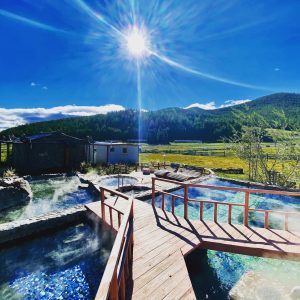
Later, transfer to Jaran Tsagaan Hot Springs Resort. Relax and soak in the mineral-rich natural hot springs, believed to help relieve fatigue, improve circulation, and soothe muscles and joints after days of travel. Dinner and overnight at the resort.
Evening:
Settle into a tourist camp.
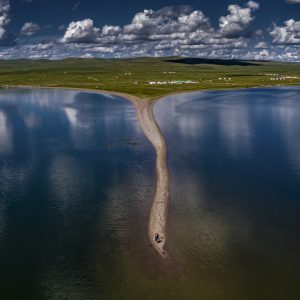
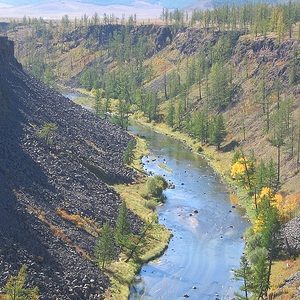
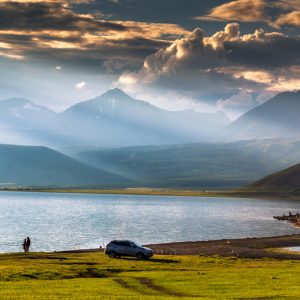
After breakfast, continue your journey through the heart of Arkhangai Province. Stop in Tsetserleg City for lunch and travel along the scenic Chuluut River Valley, famous for its deep basalt canyon formed by ancient volcanic activity. Arrive at Khorgo-Terkhi National Park. Explore the extinct Khorgo Volcano, walking along the crater rim and through lava formations and caves. Later, visit Terkhiin Tsagaan Lake (Great White Lake), a tranquil freshwater lake surrounded by steppe and mountain scenery. Enjoy a peaceful walk along the lakeshore. Dinner and overnight near the park.
After breakfast, begin your journey toward northern Mongolia. As the distance to Khuvsgul Lake is long, the route is divided into two days to allow for comfortable travel and scenic stops. Arrive in Shine Ider Village in the afternoon, settle into your accommodation, and enjoy a relaxing evening.
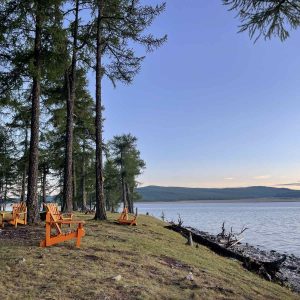
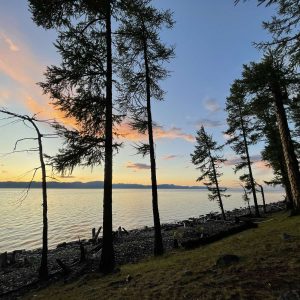
After breakfast, continue your journey north. Stop for lunch in Murun City. In the early afternoon, arrive at Khuvsgul Lake, often called the “Blue Pearl of Mongolia.” Check in to your tourist camp and enjoy a peaceful evening by the lakeshore.
After breakfast, enjoy a scenic boat tour to Khusliin Khad. Later, visit a Tsaatan reindeer-herding family to learn about their unique culture, traditions, and nomadic lifestyle. Dinner and overnight at the camp.
After breakfast, travel to Erdenet City, one of Mongolia’s largest industrial centers and home to one of Asia’s biggest copper mines. Learn about the city’s role in Mongolia’s modern economic development and daily life. Dinner and overnight in Erdenet.
Morning:
After an early breakfast, begin the drive back toward the capital. Watch as the vast, silent horizons of the Gobi gradually transform into the bustling energy of Ulaanbaatar.
Afternoon:
Upon arrival, dive into the city’s vibrant markets. This is your chance for souvenir and cashmere shopping—Mongolia produces the finest, softest cashmere in the world. Visit local centers to find authentic nomadic crafts and textiles.
Morning:
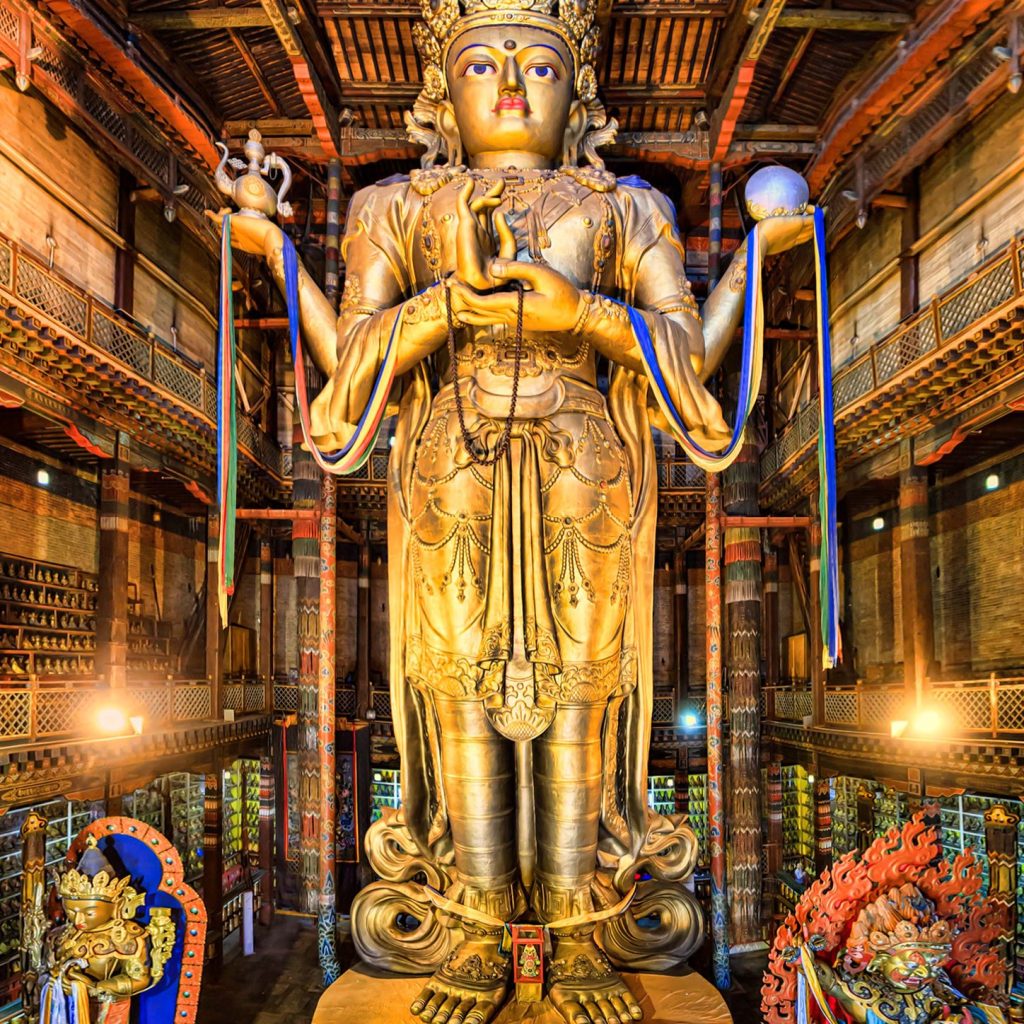
After breakfast, we’ll visit Gandan Monastery, the spiritual heart of Mongolia. Here, you’ll stand before the breathtaking Migjid Janraisig, a 26-meter gilded statue of the “Lord of Compassion” that towers within the main temple.
Afternoon:
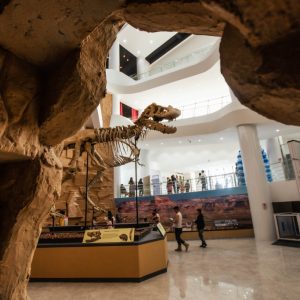
Next, we’ll transition from the spiritual to the imperial at the Chinggis Khaan National Museum. This world-class facility houses over 10,000 artifacts, offering a cinematic look at the Great Mongol Empire. Many of the treasures here provide the essential “backstory” for the landscapes and ruins we’ll encounter later in our journey. /remember the visit will take at least 2 hours/
Evening:
Following a traditional Mongolian lunch, we’ll browse the State Department Store for souvenirs and supplies. The day concludes with a stirring folk concert and dinner before returning to the hotel
After breakfast, check out from the hotel and transfer to the airport for your departure.
Your unforgettable Mongolian journey comes to an end as you board your flight home.
We tailor our tours to your budget and schedule. Click below to start organizing your journey with us!
🎒 All Activities: Every stop on your itinerary.
🍽️ Meals: As stated (B / L / D).
🗣️ Expert Guide: English-speaking & professional.
🎟️ Entry Fees: All tickets to visits & museums.
🛬 Transfers: 24/7 Airport Pick-up & Drop-off.
💧 Daily Water: 1L bottle per person on the coach.
🚐 Transport: Private vehicle & fuel for the trip.
🚗 Vehicle Tier (Economy to Luxury)
🏨 Stay Options (Boutique or 5-Star)
🍽️ Meal Packages (Full or Half Board)
🎙️ Specialist Guides (Multi-language)
⏳ Extended Duration (Add extra days)
🏇 Special Experiences (Add or change the activities)
🥂 Drinks: Alcohol, sodas, and minibar
✈️ Flights: International or Domestic tickets.
🛂 Visas: Mongolian Visa fees/processing.
🛡️ Insurance: Travel insurance (Highly Recommended).
💵 Tipping: For guides, drivers, local family & other service staff.
🧺 Personal: Laundry, telephone, & extra shopping.
🍱 Unlisted Meals: Any food not in the itinerary.
⏳ Flexible Stays: Early check-in/late out (Upon request).
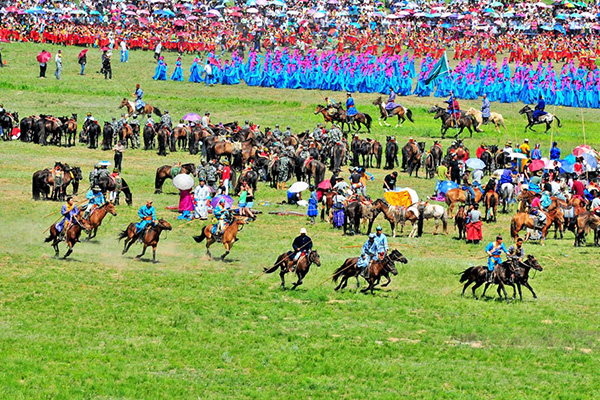
May to September is the best season, with the peak season in July for the Naadam Festival. July and August are also the wettest months of the year but be assured, our climate is such that you will still have many sunny days at this time. The best time to visit the Gobi is June or September.
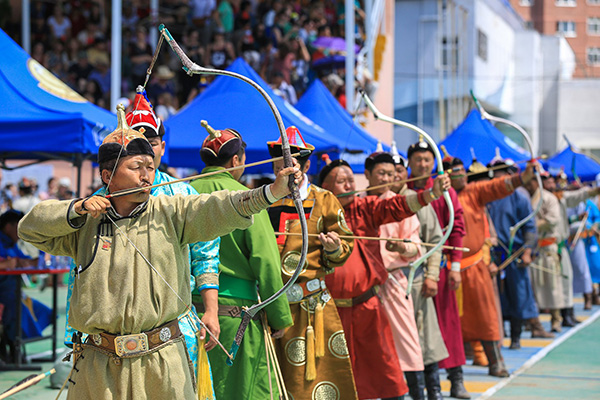
Because Naadam (July 11–15) is our national holiday, during this period – specially july is the best period for travel to catch the local events. But remember to book up 3–6 months in advance. *
Tip: If you plan to travel during this week, contact us early to secure your “Peak Season” spot. Note that a small surcharge applies during this window due to the high demand for local logistics.
Mongolia is a land of untouched beauty, but it is also a place where modern infrastructure is still developing. To enjoy your trip, it helps to embrace the nomadic lifestyle!
Once we leave the capital city of Ulaanbaatar, Western-style flush toilets become rare.
In the Countryside: Most stops will feature traditional “pit toilets” (wooden outhouses).
On the Road: During long drives, we often use “nature’s bathroom” (finding a private spot behind a hill or bush).
💡 Pro-Tip: We recommend always carrying a small kit with hand sanitizer, wet wipes, and tissues in your day bag.
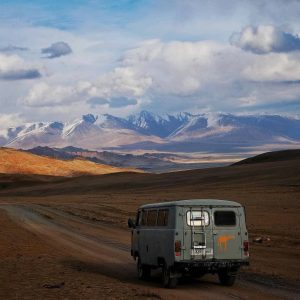
Mongolia is a vast country with very few paved roads.
The “Mongolian Massage”: Expect long drives on bumpy, unpaved tracks. It is part of the adventure, but it can be tiring.
The Reward: These “rough” roads are exactly what keep Mongolia’s nature so pristine and free from tourist crowds!
Charging: In many Ger camps, electricity is only available for a few hours in the evening via solar power or generators.
💡 Pro-Tip: Bring a high-capacity power bank to keep your camera and phone charged throughout the journey.
Mongolia is known as the “Land of the Eternal Blue Sky,” but that sun can be intense!
The Gobi Heat: During July, temperatures in the Gobi can exceed 35°C (95°F). Most traditional Ger camps do not have air conditioning, as they are designed for natural ventilation.
The Night Chill: Conversely, even in summer, temperatures can drop rapidly after sunset.
💡 Pro-Tip: Dress in breathable, light-colored fabrics for the day, but keep a warm sweater ready for the evening.
Summer is the “rainy” season, but it usually comes in short, dramatic bursts rather than days of drizzle. These rains make the steppe turn a beautiful, vibrant green!
Why book with a group during extreme weather?
Safety in Numbers: If a sudden storm or heatwave hits, our heavy-duty 4WD vehicles 🚐 provide a safe, climate-controlled sanctuary.
Cost Efficiency: Sharing the cost of a high-quality, reliable vehicle means you stay comfortable in the heat without paying a “private luxury” premium. The more friends you bring, the better the ride for everyone! 💸